
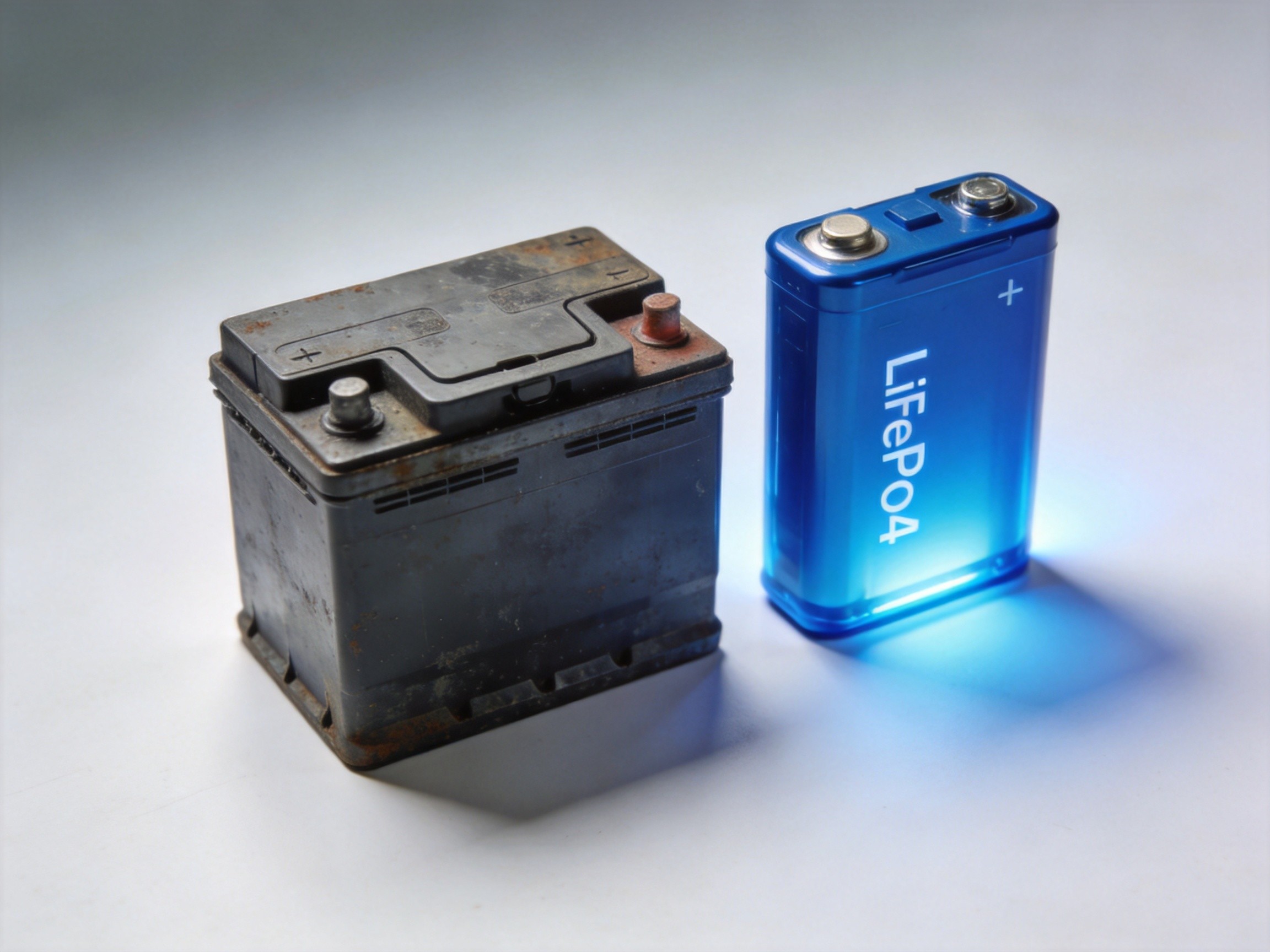
The ideal LiFePO4 battery temperature range for charging is typically between 0°C and 45°C, while the safe discharge range extends from -20°C to 60°C. Operating outside these lithium battery operating temps can lead to reduced efficiency, lithium plating during cold charging, or accelerated degradation during extreme heat discharge safety events. Understanding these precise charge and discharge limits is critical for maximizing the 2000 to 4000 cycle lifespan of your energy storage system and ensuring reliable performance across diverse environmental conditions.
What is the Standard LiFePO4 Battery Temperature Range?
The operational parameters of lithium iron phosphate chemistry dictate strict thermal boundaries to ensure both safety and longevity. When evaluating the standard lithium battery operating temps, engineers separate the operational window into two distinct phases: charging and discharging. During the charging phase, the electrochemical reactions require a higher activation energy, which restricts the safe charging window to warmer environments, typically starting just above freezing at 0°C and capping at 45°C. Why is this restriction necessary? Because charging at lower temperatures forces lithium ions to deposit as metallic lithium on the anode rather than intercalating properly, a phenomenon known as lithium plating that permanently damages the cell. Conversely, the discharge phase generates less internal resistance heat and allows for a broader operational window, safely functioning from -20°C up to 60°C. How does this impact system design? It means that system integrators must incorporate active or passive heating elements if the battery will be charged in sub-zero environments, while focusing on ventilation or cooling for high-heat discharge scenarios. At the CMJ Solar Jiangmen factory, our OEM/ODM teams design battery management systems that strictly enforce these thermal boundaries to protect the cells. By adhering to these standard limits, users ensure that the battery delivers its rated capacity without compromising the structural integrity of the electrodes.
How Do Cold Weather Charging Limits Affect Performance?
Cold weather charging limits represent one of the most critical vulnerabilities in lithium battery operating temps, primarily because the chemical kinetics slow down significantly as the ambient temperature drops. When the environment falls below the 0°C threshold, the internal resistance of the cells increases dramatically. Who is most affected by this? Off-grid users and commercial installers operating in northern climates who rely on solar arrays to recharge their banks during winter months. If a charger pushes current into a frozen cell, the aforementioned lithium plating occurs, which not only reduces the immediate capacity but also creates internal dendrites that can eventually pierce the separator. To mitigate this, modern systems require a low-temperature charge disconnect feature. For example, the Lead-to-Lithium Battery 12.8V 100Ah SCLFP-12.8V-100 is engineered with a robust battery management system that monitors cell temperature and halts the charge current when it detects unsafe cold conditions. Why is this halt mechanism so important? It prevents irreversible chemical damage that would not be covered by warranty and would drastically shorten the battery's usable life. Furthermore, some advanced setups utilize a small portion of the stored energy to power internal heating pads, gradually warming the electrolyte to a safe threshold before resuming the charge cycle. How does this affect daily operations? Users must anticipate reduced charging availability during cold snaps and ensure their system is sized with enough buffer capacity to handle days when solar input is limited by both weather and temperature restrictions. For a dedicated walkthrough of winter operation, covering self-heating systems, insulation, commissioning and cold-market sizing, see our guide to LiFePO4 cold-weather performance and heating.
What Are the Extreme Heat Discharge Safety Parameters?
While cold weather restricts charging, extreme heat discharge safety parameters govern how the battery performs when delivering power in hot environments. The upper discharge limit of 60°C is established to prevent thermal runaway and accelerated calendar aging. For the wider safety picture, covering thermal runaway chemistry and extreme-condition behaviour, see our guide on whether LiFePO4 batteries are safe. Why does high heat degrade the battery? Elevated temperatures accelerate the decomposition of the electrolyte and the solid electrolyte interphase layer, leading to a permanent loss of active lithium ions and increased internal resistance. Who needs to pay closest attention to these heat limits? Installers deploying systems in desert climates, enclosed utility closets, or poorly ventilated server rooms where ambient temperatures can easily spike. When discharging at high currents in hot conditions, the internal heat generation compounds the ambient heat, pushing the cell closer to its thermal limits. To manage this, the Lead-to-Lithium Battery 12.8V 200Ah SCLFP-12.8V-200 features high-current discharge capabilities up to 100A or 150A, but requires adequate thermal dissipation to maintain safe operating temps during peak loads. How do commercial installations handle this? They often utilize the Lead-to-Lithium Battery 25.6V 100Ah SCLFP-25.6V-100 or the 48V Rack-Mounted Server Battery in climate-controlled environments or ensure sufficient airflow around the rack to dissipate the heat generated during continuous discharge cycles. By respecting the 60°C ceiling and providing adequate ventilation, operators ensure that the battery can safely deliver its full rated capacity without triggering thermal protection shutdowns or suffering premature chemical degradation.
How Does Temperature Impact the Lifespan of Energy Storage Systems?
Temperature is the single most significant environmental factor influencing the long-term lifespan of any energy storage system. CMJ Solar LiFePO4 cells are rated for 2000 to 4000 cycles, but achieving the upper end of this range requires strict adherence to the ideal temperature window. Why does temperature dictate cycle life? Every degree of operation above the optimal 20°C to 25°C range accelerates the parasitic chemical reactions that consume active materials. How does this translate to real-world performance? A battery consistently operated at 40°C will experience a noticeably faster capacity fade compared to one kept at 25°C, even if both are cycled at the exact same depth of discharge. This is why the CMJ Solar 5-year warranty for energy storage products is predicated on normal operating conditions and proper thermal management. For residential applications, the Apollo All-in-One ESS is designed to be installed in garages or utility rooms where temperatures remain relatively stable, protecting the internal cells from extreme seasonal swings. Similarly, the Athena Wall-Mounted Battery benefits from its form factor, which allows for strategic placement away from direct sunlight or heat-generating appliances. To further protect your investment and ensure you reach the maximum cycle life, we recommend reviewing our guide on LiFePO4 Battery Maintenance: 8 Tips to Extend Lifespan, which details how environmental control pairs with proper charging habits to maximize your return on investment.
Why is Thermal Management Crucial for Off-Grid and Commercial Projects?
Effective thermal management is not just about protecting the cells; it is about ensuring the reliability of the entire power system in demanding applications. In off-grid and commercial projects, the battery bank is often the most expensive component, making its protection a top priority. Why is the battery management system the first line of defense? Because the BMS continuously monitors the temperature of individual cells and the pack as a whole, automatically derating the charge or discharge current if temperatures approach the safety limits. For a full breakdown of BMS architecture, balancing methods and protection thresholds, see our BMS explained guide. Who benefits most from this active protection? Telecommunication tower operators, remote mining camps, and commercial microgrids where power failure is not an option. When designing these systems, integrators must look beyond the battery itself and consider the entire thermal ecosystem. First, select the right enclosure to shield the cells from direct environmental extremes. Second, position the Lead-to-Lithium Battery units in shaded, well-ventilated areas to promote passive cooling. Third, integrate external heating or cooling systems if the project is located in a climate with severe seasonal temperature swings. How do you determine the right thermal strategy for your project? It starts with a thorough site assessment to understand the maximum and minimum ambient temperatures the system will face. If you are planning a complex deployment, understanding how to properly size and configure your system is essential, which is why we recommend reading our article on How to Choose a Home Energy Storage System to grasp the foundational principles of system design before scaling up to commercial applications. By prioritizing thermal management from the initial design phase, project managers can avoid costly downtime and ensure decades of reliable energy storage.
Frequently Asked Questions
Can I charge my LiFePO4 battery below freezing? No, you should never charge a standard LiFePO4 battery below 0°C because the slow chemical kinetics cause lithium ions to plate on the anode as metallic lithium, which permanently damages the cell and reduces its overall cycle life. How do you prevent this? By ensuring your battery management system has a low-temperature charge disconnect feature that halts the charging current when the temperature drops below the safe threshold.
Does high heat reduce the cycle life of the battery? Yes, operating or storing the battery at temperatures consistently above 35°C accelerates the degradation of the internal electrolyte and increases the rate of capacity fade over time. Why does this happen? Because elevated temperatures increase the rate of parasitic side reactions within the cell, which consume active lithium ions and increase internal resistance, ultimately shortening the total number of 2000 to 4000 cycles the battery can deliver.
How do I protect my battery from extreme temperatures during installation? You can protect your battery by installing it in a climate-controlled environment, ensuring adequate ventilation for heat dissipation, and avoiding direct sunlight or placement near other heat-generating equipment. What else should you consider? You should also verify that the battery management system is configured with the correct thermal protection parameters to automatically shut down or derate power if the internal temperature exceeds the safe discharge or charge limits.
Ready to specify the right energy storage solution for your next project? Understanding the precise charge and discharge limits of LiFePO4 chemistry is just the first step in building a reliable, long-lasting power system. Whether you are designing a residential backup setup or a commercial microgrid, our engineering team can help you select the optimal thermal management strategy and battery configuration. Contact our team today to discuss your project requirements, request a quote, or learn more about our OEM/ODM capabilities. Simply visit our contact page to get started with CMJ Solar.
Part of the guide
LiFePO4 Battery Technology: Chemistry, BMS, Charging and Cold Weather
Need Product Recommendations?
Our team can help you select the right energy storage or solar lighting products for your project.