
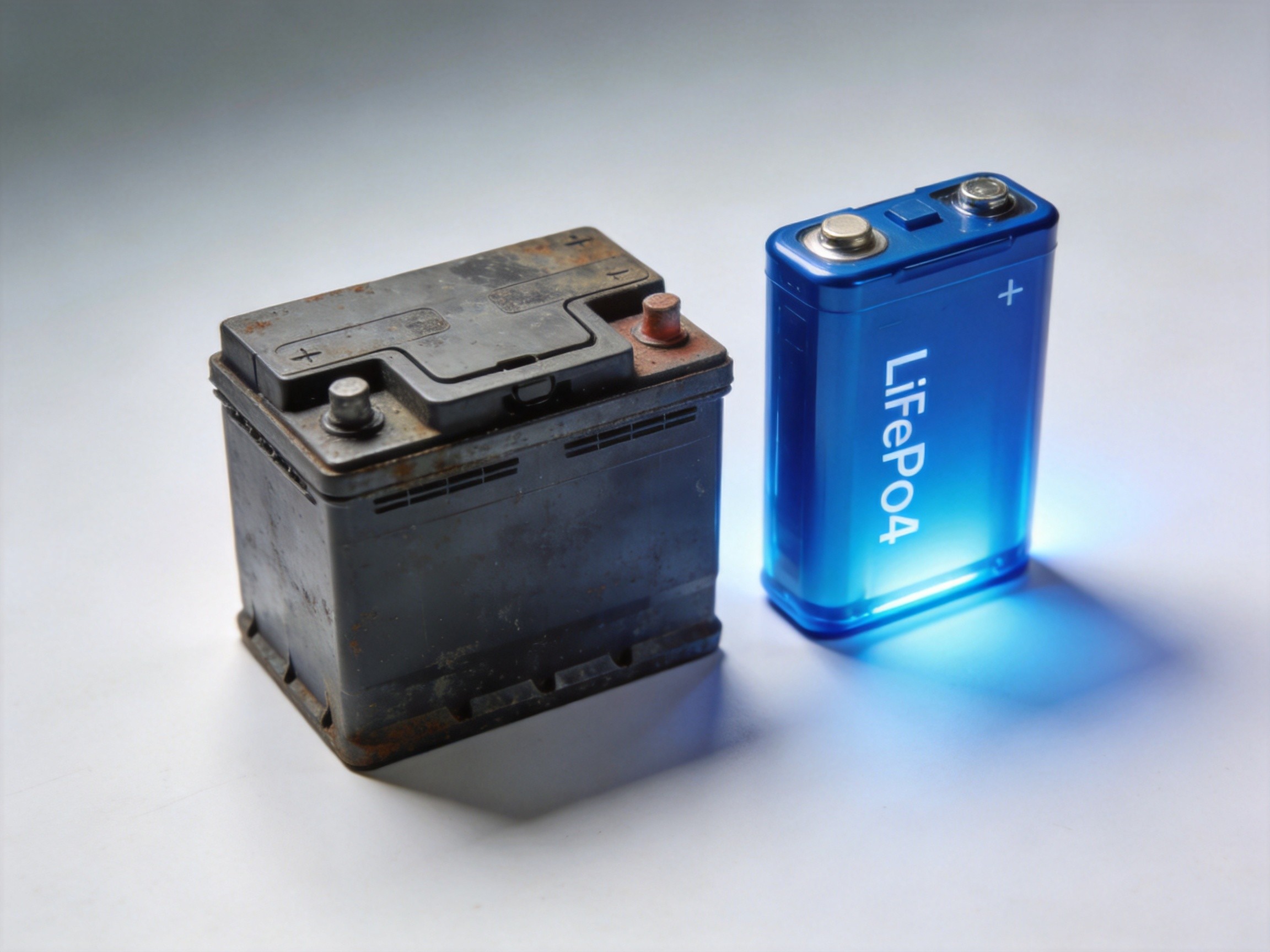
Why LiFePO4 Maintenance Still Matters
Lithium iron phosphate (LiFePO4) batteries are renowned for being virtually maintenance-free compared to lead-acid alternatives. There is no electrolyte to top up, no terminal corrosion to clean, and no equalization charge to perform. However, "maintenance-free" does not mean "indestructible." Proper handling and a few routine checks can significantly extend the service life of a LiFePO4 battery pack, protecting the investment in your energy storage system.
In this guide, we share eight practical tips that apply to both residential and commercial LiFePO4 installations, including wall-mounted batteries, rack-mounted modules, and all-in-one ESS units such as the Apollo A Series 15kWh.
1. Use a LiFePO4-Compatible Charger
The single most important maintenance step is ensuring the charger or charge controller is configured for the LiFePO4 profile. A 12.8V LiFePO4 battery charges to approximately 14.4V-14.6V and floats at around 13.6V, while a 51.2V system charges to 57.6V-58.4V. Using a lead-acid charger with a desulfation or equalization mode can apply voltage spikes that damage the Battery Management System (BMS). Always verify the charger supports a dedicated LiFePO4 setting.
What to Check
- Bulk/absorption voltage matches the battery specification
- Float voltage is set correctly (or disabled if recommended)
- No desulfation pulse mode is active
- Charge current does not exceed the manufacturer maximum
2. Avoid Deep Discharges
While LiFePO4 batteries tolerate deep cycling far better than lead-acid, consistently discharging below 10% state of charge (SoC) accelerates wear. Most manufacturers recommend keeping the battery above 20% SoC for everyday use. The BMS will cut off at roughly 2.5V per cell (10.0V for a 12.8V pack) to prevent damage, but relying on this cutoff as a regular operating point is not ideal. For backup systems, set the inverter low-voltage disconnect slightly above the BMS cutoff to add a margin.
3. Maintain Moderate Operating Temperatures
LiFePO4 cells perform best between 0 degC and 45 degC (32 degF-113 degF) during charging, and -20 degC to 60 degC during discharge. Extreme heat is the biggest enemy: sustained temperatures above 55 degC accelerate cell degradation and can trigger BMS protection. If installing an Athena wall-mounted battery in a garage or utility room, ensure adequate ventilation and avoid direct sunlight. In cold climates, allow the battery to warm above 0 degC before charging; charging below freezing can cause lithium plating and permanent capacity loss.
4. Monitor Cell Balance
A quality BMS actively balances cells during charging, but it is good practice to periodically verify balance. Most modern ESS units provide a mobile app or monitoring portal that displays individual cell voltages. A well-balanced pack should show cell voltages within 20-50mV of each other at full charge. If you notice a drift of more than 100mV, contact your supplier — it may indicate a weak cell or a BMS fault. CMJ Solar systems include built-in WIFI monitoring so cell-level data is accessible remotely.
5. Keep Connections Tight and Clean
Although LiFePO4 batteries do not produce corrosive gas like lead-acid, terminal connections can still loosen over time due to thermal cycling. Every 6-12 months, visually inspect cable lugs and busbar connections. Tighten to the torque specified in the product manual — typically 8-12 Nm for M8 terminals. A loose connection causes resistive heating, which can melt terminals or trigger BMS over-temperature protection. Keep the battery exterior free of dust and moisture using a dry cloth.
6. Store at Partial Charge
If a battery will be out of service for more than a month, store it at 40%-60% state of charge in a cool, dry place. Storing at 100% SoC for extended periods accelerates capacity fade, while storing at 0% can cause the BMS to enter a deep-sleep lockout from which recovery may be difficult. For long-term warehousing, check the voltage every 3 months and top up if it falls below 30%. The ideal storage temperature is 15 degC-25 degC.
Storage Checklist
1. Charge or discharge to 40%-60% SoC
2. Disconnect all loads and chargers
3. Store in a dry environment between 15 degC-25 degC
4. Inspect voltage every 90 days
5. Recharge to 50% if voltage drops below 30%
7. Update BMS and Inverter Firmware
Manufacturers periodically release firmware updates that improve BMS protection algorithms, charging curves, and communication protocols. Check with your supplier for available updates, especially before the first winter or summer of operation. Updated firmware can refine low-temperature charging cutoffs, improve SoC estimation accuracy, and resolve communication issues between the battery and hybrid inverter. Keeping firmware current is an often-overlooked step that prevents many field failures.
8. Size the System Correctly
Oversizing or undersizing a battery bank stresses cells prematurely. An undersized battery cycles deeply every day, shortening its life. An oversized battery may rarely cycle above 80% SoC, which is harmless, but wastes capital. For whole-home backup, size the bank so that typical daily discharge stays between 20%-80% DoD. For example, a household consuming 15 kWh per day is well matched to a 15kWh Apollo A system, which delivers roughly 12-13.5 kWh of usable energy at 80%-90% DoD.
Signs Your Battery Needs Attention
Contact your supplier if you observe any of the following:
- Sudden capacity drop of more than 10%
- BMS error codes or frequent shutdowns
- Swelling, deformation, or unusual odors
- Cell voltage imbalance exceeding 100mV
- Inability to reach full charge voltage
Conclusion
LiFePO4 batteries are among the most durable energy storage chemistries available, but a small amount of proactive care ensures they reach their rated 2,000-4,000 cycle lifespan. Use the correct charger, avoid extreme temperatures and deep discharges, monitor cell balance, and keep the system properly sized. Following these eight tips will help your CMJ Solar battery deliver reliable performance for a decade or more.
Ready to upgrade your energy storage? Explore our full range of LiFePO4 energy storage systems or contact our team for personalized sizing recommendations and OEM/ODM options.
Need Product Recommendations?
Our team can help you select the right energy storage or solar lighting products for your project.