The Southeast Asia commercial and industrial (C&I) energy storage market in 2026 is defined by a massive acceleration in LiFePO4 battery adoption, driven primarily by the need for peak shaving, grid stabilization, and uninterrupted power supply in rapidly industrializing nations across Vietnam, Thailand, Indonesia, and the Philippines. Businesses across the region are shifting away from traditional backup generators toward intelligent, high-capacity all-in-one energy storage systems to mitigate volatile electricity tariffs and ensure operational continuity during frequent grid fluctuations. This transition is heavily supported by regional renewable energy mandates and aggressive corporate sustainability targets, making commercial battery demand a cornerstone of the modern industrial energy strategy. By leveraging advanced lithium technology, companies can not only reduce their carbon footprint but also achieve significant long-term cost savings on their utility bills.
What is Driving the Surge in C&I Commercial Battery Demand in Southeast Asia?
The rapid expansion of manufacturing hubs and commercial centers across Southeast Asia has placed unprecedented stress on local power grids, making reliable energy storage an absolute necessity for business continuity. Grid instability and frequent power outages in emerging markets force commercial facilities to seek robust backup solutions that go beyond simple diesel generators, which are increasingly restricted by environmental regulations. By deploying advanced battery systems, businesses can perform peak shaving, which involves storing energy during off-peak hours when electricity is cheap and discharging it during peak hours to avoid exorbitant demand charges. This is why commercial battery demand is surging, as facility managers actively look for ways to reduce operational expenditures while meeting stringent corporate sustainability goals and ESG mandates. Furthermore, the push for green building certifications requires facilities to integrate renewable energy sources seamlessly, necessitating high-efficiency storage solutions that can handle complex load profiles. To meet this growing demand, CMJ Solar operates a state-of-the-art Jiangmen factory equipped to produce high-quality LiFePO4 systems, backed by a comprehensive 5-year warranty that gives distributors and end-users absolute peace of mind. When sourcing components for these large-scale deployments, partners frequently explore the broader energy storage category to find systems that perfectly match their specific load requirements, spatial constraints, and budgetary limitations.
How Are All-in-One ESS Systems Reshaping Industrial Solar Storage Trends?
Industrial solar storage trends in 2026 show a distinct preference for all-in-one energy storage systems over traditional split configurations, primarily due to simplified installation, reduced footprint requirements, and enhanced aesthetic appeal. All-in-one units integrate the inverter, battery management system, and lithium cells into a single, cohesive enclosure, which drastically reduces wiring complexity, minimizes potential points of failure, and lowers on-site commissioning time. A prime example of this trend is the Apollo A Series 5kWh All-in-One ESS (Model: SCAP-A-51.2-100), which delivers 6KW of power with a 51.2V battery input voltage and a robust 5120Wh (100Ah) capacity. This system features a 100A discharge current and supports a max PV input power of 27A/9000W, making it highly efficient for medium-sized commercial rooftops. The compact dimensions of 60*40.5*19.5CM allow it to fit into tight electrical rooms without requiring extensive structural modifications. This is how all-in-one systems are reshaping the market, as they enable faster deployment and lower labor costs for installers while providing a clean, professional look for commercial properties. For distributors evaluating different form factors, understanding the nuances between these integrated designs is crucial, which is why reviewing detailed comparisons like the CMJ Solar Apollo vs Ares: Which All-in-One ESS Series Is Right for Your Market? guide is highly recommended for making informed procurement decisions and selecting the perfect model for specific client needs.
Why Are Rack-Mounted Batteries Preferred for Scalable C&I Projects?
While all-in-one systems are excellent for standard commercial applications, large-scale C&I projects such as data centers, telecommunications hubs, and server farms often require highly modular and scalable power architectures to accommodate future growth. Rack-mounted batteries are preferred in these scenarios because they mimic standard IT equipment form factors, allowing for seamless integration into existing 19-inch server racks alongside networking and computing hardware. This modularity enables facility managers to start with a baseline capacity and easily scale up by adding more modules as energy demands grow, without needing to replace the entire system. The Rack-Mounted Battery 2.5kWh (Hardware) (Model: SCRA-R-25.6-100H) exemplifies this approach, offering a 25.6V voltage and 2560Wh (100Ah) capacity with a 100A discharge current. It is built with premium Grade A BAK 100Ah cells and measures 49.2*36*15CM, ensuring a perfect fit for standard rack enclosures. It is important to note that this specific hardware model is not compatible with inverter communication, making it ideal for pure DC backup applications or custom integration setups where independent battery management is preferred. This is who benefits the most from rack-mounted solutions: system integrators who need maximum flexibility to design custom voltage and capacity configurations for complex industrial loads. Proper maintenance is critical for these modular setups, and integrators should always consult resources like the LiFePO4 Battery Maintenance: 8 Tips to Extend Lifespan article to ensure optimal long-term performance in demanding environments.
What Role Do High-Capacity Systems Play in Heavy Industrial Applications?
Heavy industrial applications, including large manufacturing plants, metal processing facilities, and massive logistics parks, require immense power reserves to handle heavy machinery startup loads and continuous operational demands without drawing excessive power from the grid. High-capacity energy storage systems play a critical role in these environments by providing massive load-shifting capabilities and ensuring that critical production lines never experience voltage sags or interruptions that could result in costly downtime. The Ares 15kWh All-in-One ESS with 12KW Inverter (Model: SCAS-11KW-15KWh) is specifically engineered for these heavy-duty requirements, boasting a 12KW power output and a massive 15360Wh (300Ah) capacity. It supports a formidable 200A discharge current and features dual MPPT inputs with a max PV input power of 7500W*2 and a 160A max MPPT charge current. Housed in a robust 78.2*57*40cm enclosure, this system can handle the rigorous demands of industrial environments while maximizing solar self-consumption and accelerating the return on investment. This is why heavy industries are increasingly adopting these high-capacity units, as they provide the sheer power density required to offset massive grid consumption during peak tariff periods. To accommodate specific regional voltage requirements or unique spatial constraints, CMJ Solar offers extensive OEM/ODM services, allowing industrial partners to customize these high-capacity systems to their exact operational specifications. Understanding the broader market dynamics is essential for stakeholders, and reading the Solar Energy Storage Market Trends to Watch in 2026 report provides valuable insights into how these heavy-duty solutions are shaping the future of industrial power.
How to Choose the Right LiFePO4 Battery for Your C&I Project?
Selecting the optimal LiFePO4 battery for a commercial or industrial project requires a careful evaluation of several critical technical and operational parameters to ensure long-term reliability and maximum return on investment. First, you must accurately calculate your total daily energy consumption and peak load requirements to determine the necessary capacity and discharge current of the battery system, ensuring it can handle the most demanding equipment without overloading. Second, you need to assess the physical installation environment, including available floor space, ventilation requirements, and ambient temperature conditions, which will dictate whether an all-in-one wall-mounted unit or a modular rack-mounted system is more appropriate for your specific facility. Third, you should evaluate the communication protocols and monitoring capabilities required by your energy management system, ensuring seamless integration with your existing solar inverters, grid infrastructure, and remote monitoring platforms. CMJ Solar specializes in high-quality LiFePO4 technology that ensures exceptional thermal stability, a long cycle life, and superior safety performance, making it the ideal choice for demanding C&I applications where downtime is not an option. By partnering with a manufacturer that deeply understands the unique challenges of the Southeast Asian market, businesses can secure reliable, future-proof energy storage solutions that deliver consistent performance and a strong financial return over their operational lifespan.
Frequently Asked Questions
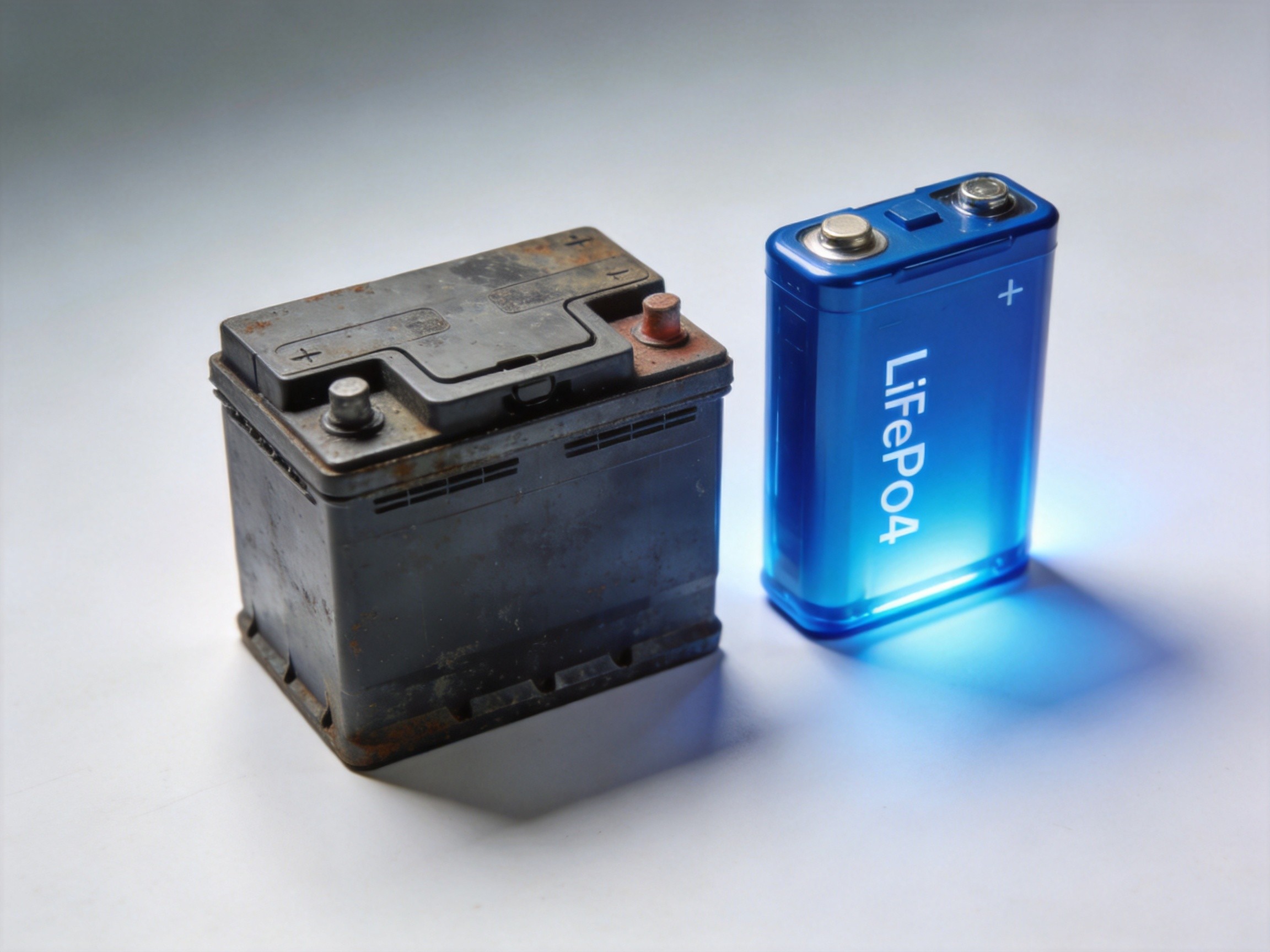
What are the main benefits of LiFePO4 batteries for C&I storage? LiFePO4 batteries offer superior thermal stability, a significantly longer cycle life compared to traditional lead-acid alternatives, and enhanced safety profiles, making them ideal for the demanding and continuous operational requirements of commercial and industrial environments where reliability is paramount. How long do commercial energy storage systems last in tropical climates? Modern LiFePO4 commercial energy storage systems are designed to withstand high ambient temperatures and typically last between 10 to 15 years, provided they are installed in well-ventilated areas and maintained according to the manufacturer's guidelines to mitigate the accelerated effects of tropical heat on battery degradation.
As the Southeast Asia C&I energy storage market continues to evolve rapidly in 2026, securing a reliable supply of high-quality LiFePO4 systems is crucial for your business success and competitive advantage. Whether you need compact all-in-one units for commercial rooftops or high-capacity systems for heavy industrial applications, CMJ Solar has the manufacturing expertise, rigorous quality control, and diverse product range to meet your exact specifications. To discuss your wholesale energy needs, explore our comprehensive OEM/ODM capabilities, or request a customized proposal for your next major project, please contact our team today and let us power your sustainable future.
Need Product Recommendations?
Our team can help you select the right energy storage or solar lighting products for your project.