A Transformative Year for Storage
The global solar energy storage market enters 2026 on a strong growth trajectory. Declining lithium battery costs, supportive policy frameworks, and increasing grid instability are driving unprecedented demand for residential, commercial, and utility-scale storage. For B2B buyers — distributors, installers, and EPC contractors — understanding these trends is essential for stocking the right products and capturing market share.
This article examines five trends expected to define the solar storage market in 2026 and their implications for procurement decisions.
1. LiFePO4 Dominance Solidifies
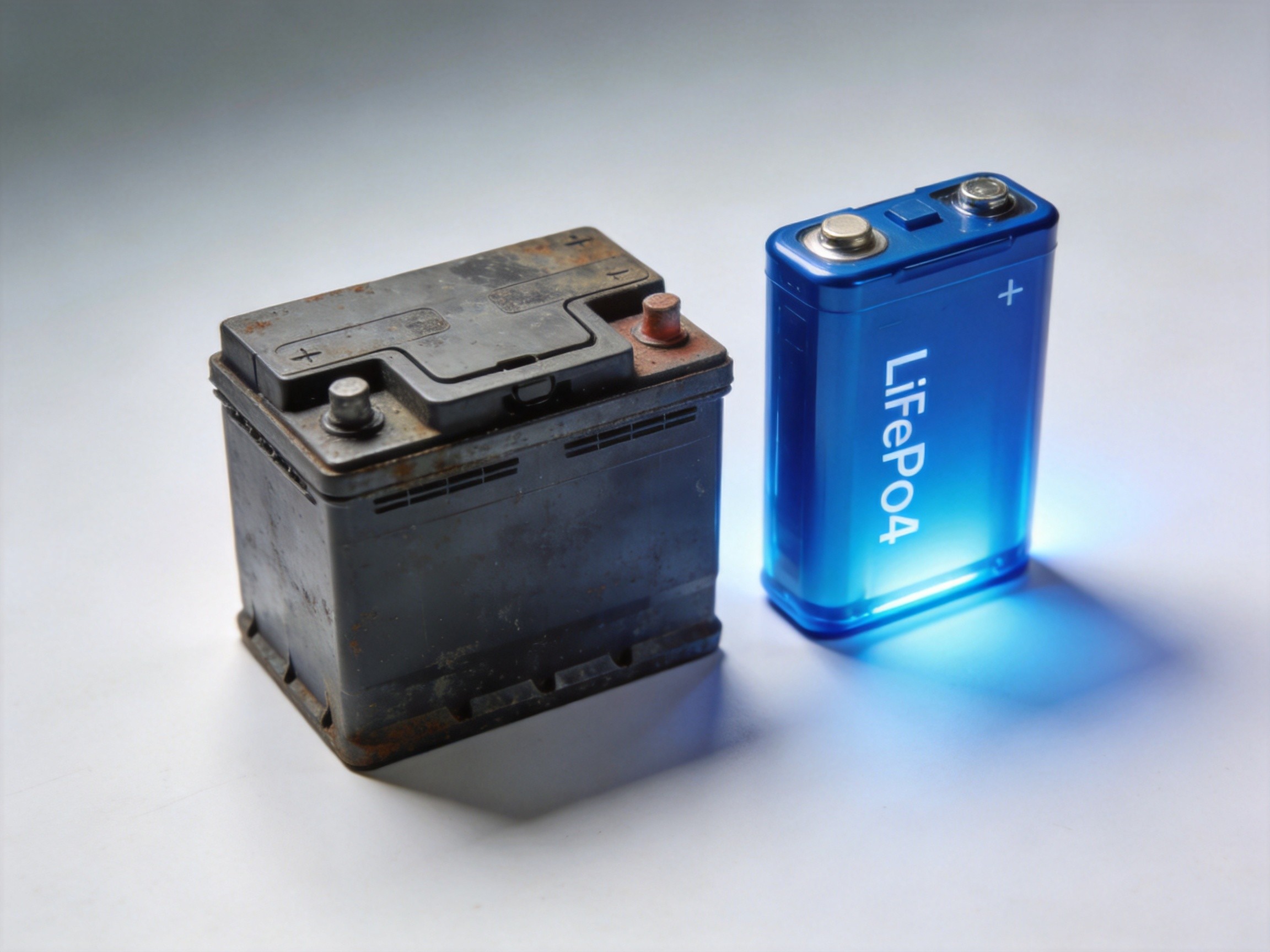
Lithium iron phosphate (LiFePO4) chemistry continues to take share from NMC and lead-acid batteries in stationary storage. The reasons are well established: longer cycle life (2,000-4,000 cycles vs. 1,000-2,000 for NMC), superior thermal safety, and lower material costs due to the absence of cobalt and nickel. In 2026, analysts project LiFePO4 will account for over 85% of new residential and commercial storage deployments globally.
For buyers, this means the product ecosystem is maturing rapidly. Modular systems like the Apollo A Series allow capacity scaling from 5kWh to 30kWh by adding modules, reducing inventory complexity for distributors.
2. Residential Storage Goes Mainstream
Residential battery attachment rates to rooftop solar installations continue climbing. In Europe, high electricity prices and net-metering reforms are pushing attachment rates above 50% in markets such as Germany and Italy. In emerging markets across Africa, Southeast Asia, and Latin America, unreliable grids are driving demand for backup systems even without rooftop solar.
All-in-one ESS units that integrate battery, hybrid inverter, and MPPT controller in a single cabinet are winning in the residential segment because they simplify installation. Products with 230V AC output and 5kW-12kW inverter capacity are becoming the sweet spot for European households.
3. Virtual Power Plants and Aggregation
Virtual power plants (VPPs) — networks of distributed batteries coordinated to provide grid services — are moving from pilot to commercial scale. Utilities in Germany, Australia, and the United States are offering homeowners incentives to enroll their batteries in VPP programs, creating recurring revenue streams. In 2026, expect more inverter and battery manufacturers to ship VPP-ready hardware with standardized communication protocols.
For installers, VPP compatibility is becoming a sales differentiator. Batteries with reliable WIFI monitoring and open communication protocols, such as those offered by CMJ Solar, position end-users to participate in these programs as they become available in their markets.
4. Commercial and Industrial Storage Accelerates
Commercial and industrial (C&I) storage is the fastest-growing segment in 2026. Businesses are installing batteries to reduce demand charges, integrate on-site solar, and provide backup for critical operations. Rack-mounted high-voltage battery systems are the preferred form factor for C&I projects because they scale efficiently into the hundreds of kWh.
Projects in the 30kWh-500kWh range are increasingly common, often combining multiple battery cabinets with three-phase hybrid inverters. Distributors that can supply modular rack-mounted solutions alongside residential all-in-one products are best positioned to capture this growing demand.
5. Price Stabilization and Supply Chain Maturity
After several years of volatility, lithium raw material prices stabilized in 2024-2025, leading to more predictable battery pricing in 2026. Cell production capacity, particularly for LiFePO4 prismatic cells, has expanded significantly in China, reducing supply bottlenecks. Buyers can expect stable quotations and shorter lead times compared to the 2022-2023 period.
However, quality differentiation is increasing. Not all LiFePO4 cells are equal — Grade A cells from established manufacturers such as BAK deliver better consistency and cycle life than budget alternatives. B2B buyers should scrutinize cell provenance, BMS quality, and warranty terms rather than selecting solely on price per kWh.
What This Means for B2B Buyers
Based on these trends, we recommend the following procurement strategies for 2026:
Stock Modular, High-Voltage Systems
Prioritize modular 51.2V systems that can scale from 5kWh to 30kWh or more. This reduces SKU count while covering the majority of residential and small commercial projects.
Offer Integrated Solutions
All-in-one ESS units with pre-configured inverters reduce installation time and support costs, making them attractive to installers and end-customers alike.
Verify VPP and Monitoring Readiness
Choose products with robust WIFI/monitoring capabilities and standard communication protocols to future-proof inventory against VPP and smart-grid demand.
Partner with OEM/ODM-Capable Manufacturers
As markets mature, branding and local certification become competitive advantages. Working with a manufacturer that offers OEM/ODM customization enables distributors to build their own brand identity.
Conclusion
The solar energy storage market in 2026 is defined by LiFePO4 dominance, mainstream residential adoption, the rise of virtual power plants, accelerating C&I demand, and maturing supply chains. B2B buyers who align their product offerings with these trends — focusing on modular, integrated, and smart-ready systems — will be well positioned for growth.
CMJ Solar offers a comprehensive portfolio of LiFePO4 storage products, from the modular Apollo and Ares all-in-one ESS to rack-mounted and wall-mounted batteries, all backed by a 5-year warranty. Contact our team to discuss distribution partnerships and OEM/ODM opportunities for 2026.
Need Product Recommendations?
Our team can help you select the right energy storage or solar lighting products for your project.