
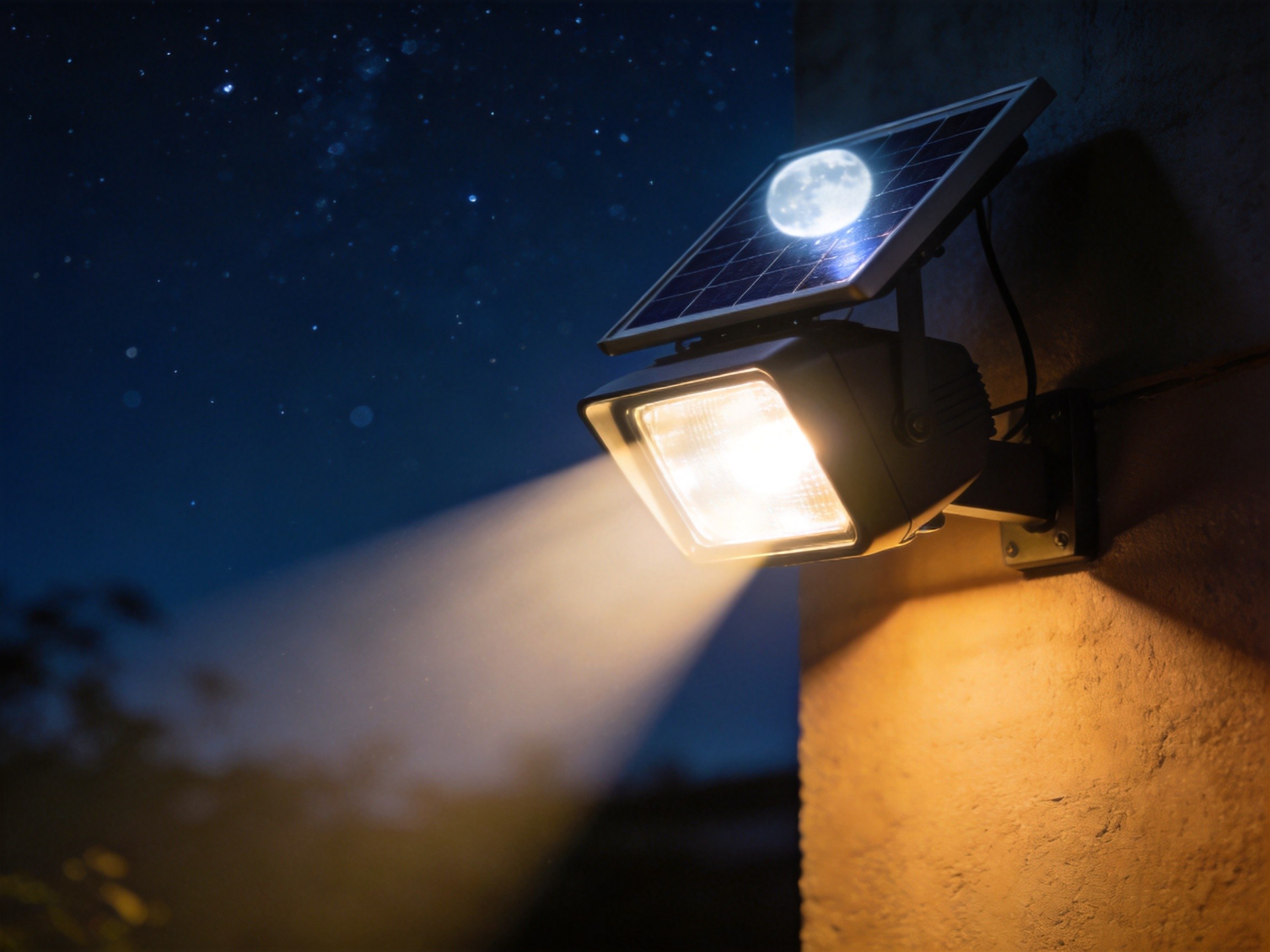
You should initiate a solar street light battery replacement when the nightly illumination duration drops below the rated 18 hours, the system fails to sustain output through two consecutive rainy days, or the battery casing exhibits physical swelling. Upgrading to Grade A LiFePO4 battery packs restores full luminous capacity and ensures a reliable 2000 cycle lifespan, preventing premature infrastructure failure and avoiding costly full-fixture replacements. This targeted replacement strategy allows municipalities, EPC contractors, and distributors to maximize the return on their existing pole and solar panel investments while achieving modern energy storage standards. Recognizing the exact technical indicators of battery fatigue is essential for maintaining public safety, optimizing maintenance schedules, and ensuring that outdoor lighting networks continue to operate reliably without drawing from the municipal grid.
What Are the Exact Warning Signs of LiFePO4 Battery Degradation?
Identifying the precise moment a battery requires replacement is critical for maintaining public safety and avoiding unnecessary early upgrades that inflate project budgets. The primary indicator of LiFePO4 battery degradation is a measurable drop in usable capacity, which manifests as a significantly shortened discharge time. For example, if a fixture originally rated for 18 hours of continuous illumination begins dimming or shutting off after only 10 hours, the internal cells have likely exhausted a substantial portion of their 2000 cycle life. This happens because repeated deep discharge cycles gradually increase the internal resistance of the prismatic cells, causing severe voltage sag under the constant current draw of the LED array. When the voltage drops below the controller's cutoff threshold prematurely, the light extinguishes even though residual energy remains trapped inside the cells.
Another critical warning sign is the inability to recover fully during peak sunlight hours. When a battery degrades, its charge acceptance efficiency drops dramatically, meaning the Grade A Monocrystalline solar panel cannot replenish the stored energy effectively. You will notice the system failing to sustain output through two consecutive rainy days, which is a standard baseline for high-quality outdoor fixtures. Additionally, physical inspection may reveal swelling or deformation of the battery housing. Although LiFePO4 chemistry is inherently stable and resistant to thermal runaway, extreme environmental stress, prolonged overcharging, or a failing smart controller can cause the integrated die-cast aluminum enclosure to expand. If you observe these symptoms, it is time to evaluate a replacement. For a broader overview of transitioning older chemistries to modern lithium solutions, you can read our comprehensive guide on How to Replace Lead Acid Battery with Lithium.
How Do You Calculate the Right LiFePO4 Replacement Capacity?
Selecting the correct replacement battery requires meticulously matching the ampere-hour (Ah) rating and voltage to the existing solar panel wattage and LED load. Undersizing the battery will result in chronic undercharging, while oversizing it will prevent the solar panel from reaching a full state of charge, leading to capacity loss over time. When upgrading your solar lighting infrastructure, you must align the battery capacity with the specific luminous output and discharge requirements of the fixture.
First, evaluate the LED chip configuration and total luminous flux to determine the baseline energy draw. A fixture producing 2650lm typically requires a 30Ah battery to maintain its 18-hour discharge cycle. In this scenario, the MJ-XJ903 Interstellar II 300W with Arm serves as an excellent reference point, utilizing a Grade A LiFePO4 30Ah battery paired with a 5V/40W solar panel to power 64 pcs 5050 LED chips. Second, consider the required autonomy during cloudy weather. If your project demands resilience through two rainy days, you must step up to a higher capacity model and a larger panel. The MJ-XJ905 Interstellar II 500W with Arm demonstrates this perfectly, featuring a 48Ah LiFePO4 battery and a 5V/50W panel to support 90 pcs 5050 LED chips and a 3512lm output. Third, verify the physical dimensions of the battery compartment. CMJ Solar designs its LiFePO4 battery packs to fit seamlessly within standard housings measuring 615*300*80mm, ensuring that the replacement process does not require structural modifications to the existing light head. The MJ-XJ903 uses a slightly more compact 530*260*80mm die-cast aluminum housing, and all three Interstellar II models use a 6500-7500K color temperature that keeps roadway contrast high without the harsh blue tint common to cheaper LEDs.
Why Choose Modular LiFePO4 Battery Packs for Street Light Upgrades?
Modular LiFePO4 battery packs offer distinct advantages for street light upgrades, primarily through simplified maintenance, standardized connectivity, and reduced electronic waste. Traditional integrated systems often require replacing the entire luminaire when the battery fails, generating excessive waste and inflating maintenance costs. By utilizing modular replacement kits, technicians can swap only the degraded battery component directly on the pole. CMJ Solar equips its modular units with thickened cables and XT60 connectors, which provide a secure, waterproof, and plug-and-play interface that drastically reduces installation time and eliminates the need for complex wiring modifications in the field. The IP65 rating ensures that these connections remain completely protected against dust ingress and low-pressure water jets, which is critical for long-term outdoor reliability. This matters during on-pole service work, because a technician can disconnect the old pack, plug the replacement into the sealed XT60 port, and restore the IP65 barrier without opening the main luminaire or re-terminating the LED driver.
Furthermore, upgrading to modular LiFePO4 packs ensures compliance with modern safety and performance standards without discarding functional solar panels or LED arrays. As an OEM/ODM manufacturer, the CMJ Solar Jiangmen factory produces these packs using Grade A prismatic cells that deliver a verified 2000 cycle life, ensuring long-term operational stability for municipal projects. When sourcing these components, it is crucial to understand the warranty terms. CMJ Solar provides a standard 2-year warranty for its solar lighting products, reflecting the rigorous quality control applied at the product level rather than just the cell chemistry level. This comprehensive coverage protects your investment against manufacturing defects and premature field failures. To ensure your new batteries perform optimally throughout their warranty period, we highly recommend reviewing our detailed resource on LiFePO4 Battery Maintenance: 8 Tips to Extend Lifespan. By combining modular hardware with proactive maintenance, project managers can significantly lower the total cost of ownership.
Frequently Asked Questions
How long does a LiFePO4 street light battery actually last in the field? The operational lifespan of a Grade A LiFePO4 battery is directly tied to its cycle life and daily depth of discharge. CMJ Solar rates its street light batteries for 2000 cycles, which typically translates to several years of reliable nightly operation when managed by an integrated smart controller. The exact number of years depends on local weather patterns, the efficiency of the smart AI simulated MPPT controller, and the ambient temperature, but the 2000 cycle threshold ensures a predictable replacement window for maintenance planning. Additionally, if the fixture is equipped with a radar sensor and smart light control, the battery will experience variable loads, and the controller optimizes the charging curve to accommodate these dynamic loads in real-world municipal conditions.
Can I mix a new LiFePO4 battery with an older solar panel? Yes, you can pair a new LiFePO4 replacement kit with an existing solar panel, provided the panel's voltage and wattage are compatible with the new battery's charging requirements. However, if the existing panel is degraded or undersized, it will not be able to fully charge the new battery, leading to chronic undercharging. It is always best practice to verify the panel's output, such as ensuring a 5V/60W panel is used for a 60Ah battery system like the MJ-XJ906 Interstellar II 600W with Arm, to guarantee optimal performance and prevent long-term capacity degradation.
What is the warranty coverage for replacement LiFePO4 battery packs? Our official policy provides a 2-year warranty for all solar lighting products, including standalone LiFePO4 battery replacement kits. This warranty covers defects in materials and workmanship under normal use and proper installation. It is important to note that while the LiFePO4 cell chemistry itself is capable of 2000 cycles, the product-level warranty strictly follows the solar lighting category standards, ensuring clear and consistent coverage terms for all our B2B partners and distributors.
Ready to upgrade your municipal or commercial outdoor lighting infrastructure with high-performance lithium storage? Whether you need exact replacement packs for existing fixtures or complete modular systems for new deployments, our engineering team is here to help you specify the right capacity, voltage, and physical configuration. We support large-scale infrastructure projects with reliable lead times and dedicated technical support from our engineering department. Contact our team today to request a quote and discuss your specific project requirements, MOQ, and supply chain needs with our technical experts.
Part of the guide
Solar Street Lights: Selection, Installation, Municipal Specs and Tenders
Need Product Recommendations?
Our team can help you select the right energy storage or solar lighting products for your project.