
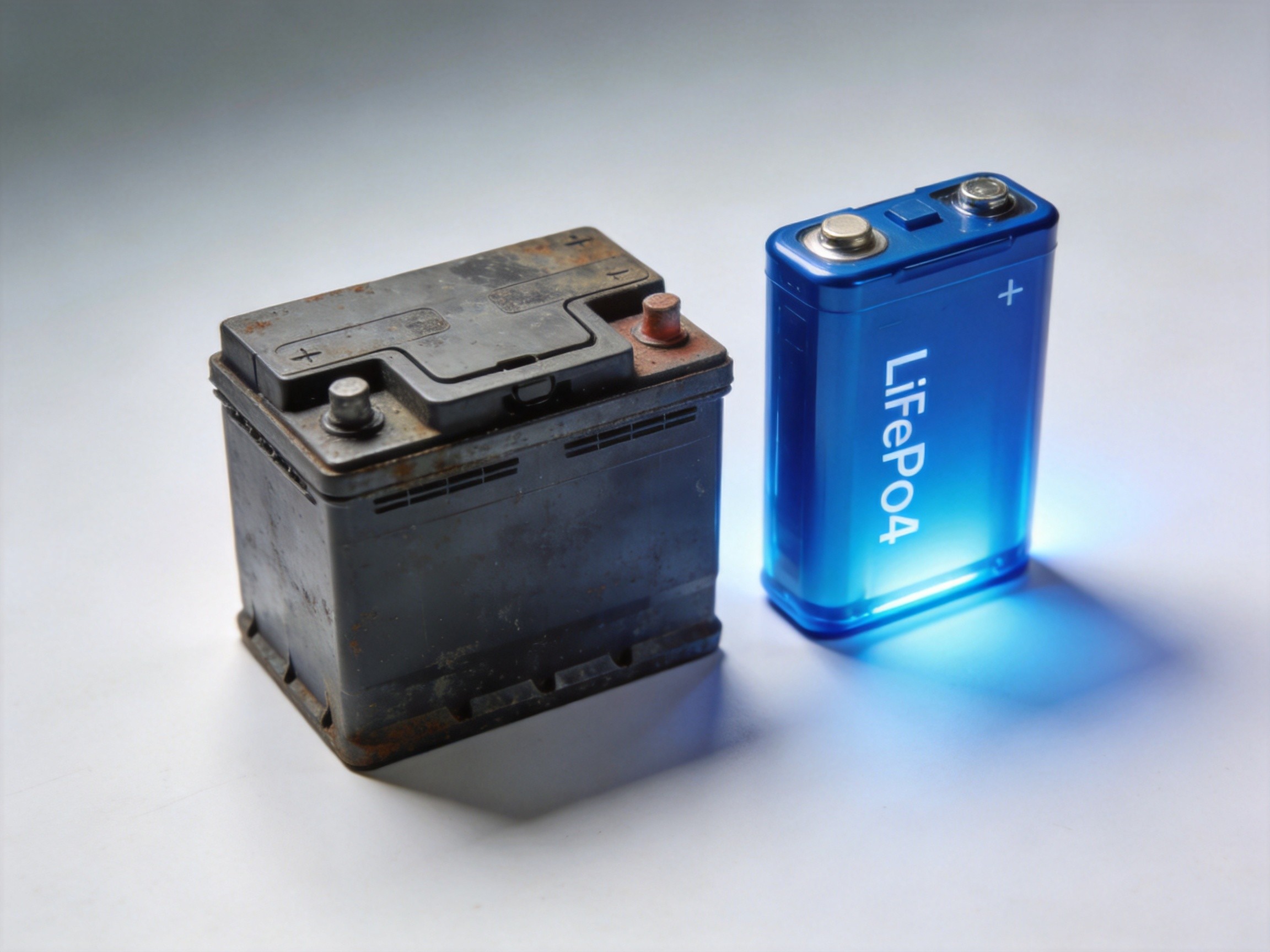
CMJ Solar rack-mounted LiFePO4 batteries kept a Saudi telecom tower online through 50°C heat by utilizing advanced thermal management and high-temperature cell chemistry that prevents thermal degradation. This case study demonstrates how deploying the SCRA-R-25-6-100H Rack-Mounted Battery alongside the Apollo A Series 5kWh All-in-One ESS ensured uninterrupted power for critical communication infrastructure in the Middle East, proving that high temperature LiFePO4 technology is essential for extreme environments because standard lithium-ion cells suffer from accelerated capacity loss when ambient temperatures exceed 40°C.
The Challenge of Telecom Tower Battery Backup in Extreme Heat
Telecom towers in the Middle East face unique operational hurdles, primarily driven by the brutal desert climate. When ambient temperatures routinely soar past 50°C, standard battery backup systems experience severe thermal stress, leading to rapid capacity fade and shortened lifespans. A reliable telecom tower battery backup must not only provide sufficient energy density but also withstand these extreme thermal conditions without requiring massive, energy-intensive air conditioning systems. This is where Middle East solar storage projects demand a paradigm shift in battery chemistry and enclosure design. Traditional lead-acid batteries fail quickly in high heat because the liquid electrolyte evaporates and internal grids corrode faster at elevated temperatures, which is why many operators are transitioning to lithium alternatives, as detailed in our guide on LiFePO4 vs Lead-Acid: Which Battery Is Better?. The challenge is further compounded by the need for continuous 24/7 uptime; a single power failure can disrupt communication for thousands of users. Therefore, the battery management system must actively monitor cell temperatures and adjust charge and discharge rates dynamically. High temperature LiFePO4 cells are specifically engineered with optimized electrolytes and separator materials that maintain ionic conductivity even at elevated temperatures. By understanding these thermal dynamics, engineers can design a rack-mounted ESS that operates efficiently without external cooling, significantly reducing the total cost of ownership for telecom operators in harsh climates.
How Did We Solve the 50°C Heat Challenge for the Saudi Telecom Site?
To address the extreme thermal environment at the Saudi telecom site, our engineering team deployed a hybrid energy storage architecture combining modular rack units and all-in-one systems. The core of the backup solution was the SCRA-R-25-6-100H Rack-Mounted Battery, which provides scalable capacity in a compact, server-rack-compatible form factor. This CMJ Solar rack battery utilizes premium LiFePO4 cells that are inherently more stable at high temperatures compared to other lithium chemistries. The rack-mounted design allows for optimal airflow within the telecom shelter by utilizing natural convection, ensuring that heat generated during high-current discharge is effectively dissipated without relying on power-hungry fans. Additionally, we integrated the Apollo A Series 5kWh All-in-One ESS (model SCAP-A-51.2-100) to manage the site's auxiliary loads and provide seamless transition during grid outages. The Apollo A Series 5kWh All-in-One ESS features a 6KW power output, a 51.2V battery input voltage, and a robust 5120Wh capacity, making it ideal for handling the fluctuating loads of telecom cooling and monitoring equipment. The inverter output voltage of 230V perfectly matches the site's AC distribution network. By combining these two systems, we created a redundant, high-temperature resilient power architecture. The rack-mounted modules handle the deep-cycle base load for the radio transmission equipment, while the all-in-one ESS manages peak shaving and auxiliary power. This dual-system approach ensures that even if one unit requires maintenance, the other can sustain critical operations, thereby maximizing network reliability in one of the most demanding environments on the planet.
What Role Did Solar Lighting Play in the Telecom Site Perimeter?
While the internal power systems secured the core telecommunications equipment, the physical security and visibility of the remote desert site also required a robust illumination strategy. We integrated our advanced solar lighting products to illuminate the perimeter fencing and equipment shelters without drawing power from the main telecom battery bank. For the main access road and perimeter boundaries, we installed the MJ Navigator 2 100W all-in-one solar street light. This fixture combines the solar panel, battery, and LED luminaire into a single, easy-to-install unit, eliminating the need for complex trenching and wiring in the rocky desert terrain. The MJ Navigator 2 100W provides high-lumen output to deter unauthorized access and ensure safe navigation for maintenance crews during night operations. Furthermore, to illuminate the specific equipment cabinets and loading areas, we deployed the MJ Alien 100W solar flood light. The MJ Alien 100W is designed with a wide beam angle and high-intensity LEDs, ensuring that every corner of the technical shelter is brightly lit for security cameras and nighttime troubleshooting. Both lighting solutions operate independently of the main telecom grid, utilizing their own integrated LiFePO4 batteries and high-efficiency solar panels. This decentralized lighting approach not only reduces the overall energy burden on the telecom tower battery backup but also enhances the physical security of the site. For more insights on selecting the right illumination for large-scale infrastructure, you can refer to our comprehensive solar street light selection guide.
Real Performance Data and Lessons for Middle East Projects
After 12 months of continuous operation in the Saudi desert, the performance data from this site provides invaluable insights for future Middle East solar storage deployments. First, the internal cell temperatures of the SCRA-R-25-6-100H Rack-Mounted Battery peaked at 48°C during the summer months, which is well within the safe operating limits of our high-temperature LiFePO4 chemistry. Second, the round-trip efficiency of the Apollo A Series 5kWh All-in-One ESS remained consistently above 92%, demonstrating that the integrated MPPT charge controller with a max PV input power of 27A/9000W and max MPPT charge current of 120A effectively optimized energy harvest even in dusty conditions. Third, the overall capacity degradation was measured at less than 3% over the first year, significantly outperforming industry averages for standard lithium systems in similar climates because the high-quality LiFePO4 cells and advanced BMS prevent over-discharge and thermal stress. These results highlight why selecting a manufacturer with rigorous quality control is critical. As a leading OEM/ODM manufacturer, CMJ Solar operates a state-of-the-art Jiangmen factory that ensures every battery module undergoes strict high-temperature aging tests before shipment. Furthermore, our standard 5-year warranty provides telecom operators with long-term peace of mind. The primary lesson learned is that passive thermal design, combined with high-quality LiFePO4 cells, can effectively replace active cooling systems, thereby reducing the parasitic load on the telecom site and extending the overall autonomy of the battery bank. For a broader perspective on how these technologies are scaling globally, industry professionals should review the Solar Energy Storage Market Trends to Watch in 2026.
How to Choose the Right Rack-Mounted ESS for Your Telecom Project
Selecting the optimal energy storage system for a telecom tower requires a careful evaluation of load profiles, environmental conditions, and spatial constraints. First, you must calculate the total DC and AC load requirements of the site, including the base station equipment, cooling systems, and monitoring devices, to determine the necessary continuous power output and total energy capacity. Second, evaluate the ambient temperature range and the available ventilation within the telecom shelter, as this will dictate whether you need standard temperature batteries or specialized high temperature LiFePO4 units with enhanced thermal management. Third, consider the physical footprint and weight restrictions of the equipment room, which often makes a modular rack-mounted ESS the most practical choice due to its high energy density and scalability. When exploring various energy storage solutions, it is also crucial to verify the battery management system's capabilities, ensuring it includes features like cell balancing, over-temperature protection, and remote monitoring via SNMP or dry contacts. Finally, always request detailed cycle life data and warranty terms from the manufacturer to ensure the system will deliver a strong return on investment over its operational lifespan. By following these systematic steps, project managers can avoid common pitfalls and deploy a resilient, future-proof power system tailored to the unique demands of telecommunications infrastructure.
Frequently Asked Questions
Why is LiFePO4 chemistry preferred over other lithium types for Middle East telecom towers? LiFePO4 (Lithium Iron Phosphate) is preferred because it offers superior thermal and chemical stability, meaning it can safely withstand the extreme ambient temperatures of the Middle East without the risk of thermal runaway. This inherent stability allows the battery to maintain a longer cycle life and reduces the need for energy-intensive active cooling systems, which is critical for off-grid or hybrid telecom sites.
How does a rack-mounted ESS improve scalability for telecom operators? A rack-mounted ESS improves scalability by utilizing a standardized 19-inch server rack form factor, allowing operators to easily add or remove battery modules as the site's power requirements change over time. This modular approach means that capacity can be incrementally increased without replacing the entire system, optimizing capital expenditure and adapting to future network upgrades like 5G deployments.
What maintenance is required for high-temperature LiFePO4 batteries in desert environments? While LiFePO4 batteries require significantly less maintenance than traditional lead-acid alternatives, desert environments demand periodic inspections to ensure optimal performance. Maintenance primarily involves checking the physical connections for tightness, cleaning dust from the ventilation filters or racks to maintain proper airflow, and reviewing the battery management system logs to ensure no cells are experiencing abnormal temperature spikes or voltage imbalances.
Are you planning a telecom tower upgrade or a new Middle East solar storage project? Ensure your infrastructure is equipped to handle extreme heat with reliable, high-performance battery solutions. To discuss your specific project requirements, request a quote, or contact our team of energy storage experts today.
Need Product Recommendations?
Our team can help you select the right energy storage or solar lighting products for your project.