
A commercial solar microgrid operates as a localized, intelligent energy network that can connect to and disconnect from the main utility grid, whereas an off grid solar system for business operates entirely independently without any utility connection. The core difference lies in grid interactivity and scalability, making microgrids ideal for facilities requiring seamless backup and peak shaving, while off-grid setups are best for remote sites where utility extension is economically unfeasible. Understanding this distinction helps business owners select the right infrastructure for their operational continuity and financial goals.
What is the Core Difference Between a Microgrid and an Off-Grid System?
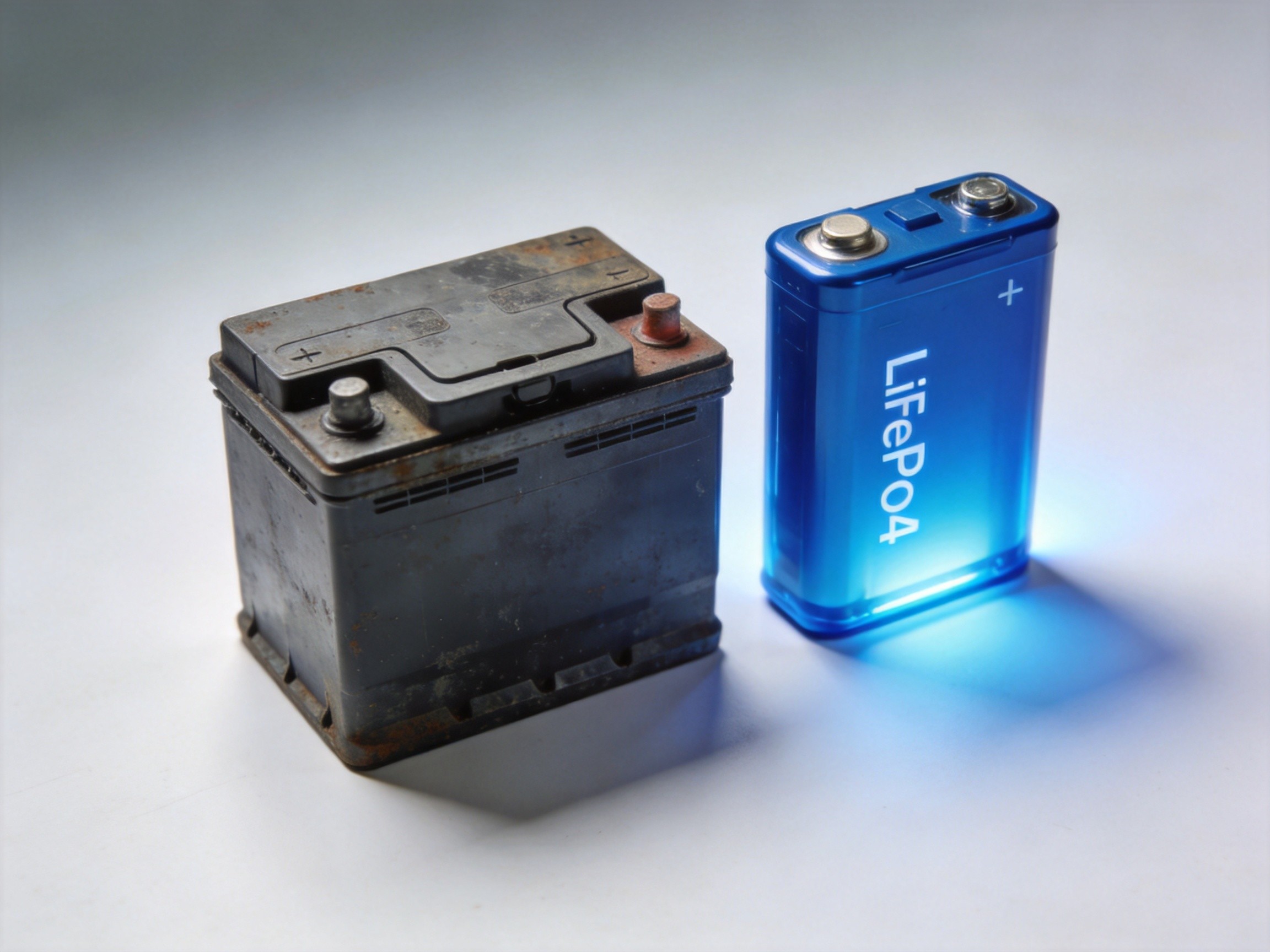
To understand the microgrid vs off grid debate, we must first define how each architecture manages power flow. A microgrid is a localized group of interconnected loads and distributed energy resources within clearly defined electrical boundaries that acts as a single controllable entity with respect to the main grid. Why does this distinction matter for commercial operations? Because a microgrid can operate in two modes: grid-connected or islanded. When the main utility grid experiences an outage, the microgrid seamlessly disconnects and continues to power the facility using its local generation and storage. Conversely, an off grid solar system for business is designed from the ground up to function without any physical connection to a centralized utility network. It relies entirely on on-site generation, such as solar panels, and robust battery banks to meet 100 percent of the facility's energy demands at all times. The CMJ Solar Jiangmen factory engineers both types of systems, leveraging advanced OEM/ODM capabilities to tailor the hardware to specific site requirements. By utilizing high-grade LiFePO4 battery chemistry, these systems achieve 2000 to 4000 cycles, ensuring long-term reliability whether the site is connected to the grid or completely isolated. This fundamental difference in grid interactivity dictates the sizing, control logic, and overall financial modeling of the installation. Furthermore, the physical architecture of the equipment must align with the environmental conditions of the deployment site, requiring robust enclosures and intelligent thermal management.
How Does a Commercial Solar Microgrid Function in Real Time?
A commercial solar microgrid relies on sophisticated energy management systems to balance generation, storage, and consumption in real time. When operating in grid-tied mode, the system prioritizes self-consumption of solar power, stores excess energy in the batteries, and only draws from the utility when necessary. How does this benefit the bottom line? It allows businesses to engage in peak shaving, drastically reducing demand charges from the utility company. For facilities requiring high power output and substantial storage in a compact footprint, the Apollo A Series 12KW 10kWh All-in-One ESS is an excellent choice. This model delivers a robust 12KW power output and a 10240Wh capacity at 51.2V, with a maximum discharge current of 200A. It also supports a maximum PV input power of 27A/2*7500W, allowing for extensive solar array integration. This dual MPPT capability ensures that even if part of the solar array is shaded, the system can still harvest maximum energy from the unshaded sections. Who benefits most from this configuration? Commercial facilities with heavy machinery or large HVAC systems that experience frequent grid fluctuations. Furthermore, the all-in-one design integrates the inverter, charge controller, and LiFePO4 battery into a single unified chassis, simplifying installation and reducing the physical footprint. The system operates at an inverter output voltage of 230V, ensuring compatibility with standard commercial loads while providing seamless backup during grid events.
When Should a Business Choose an Off-Grid Solar System?
Deciding to go completely off-grid is a strategic choice typically driven by geography and economics. If a business operates in a remote location where extending the utility grid would cost hundreds of thousands of dollars, an off-grid setup becomes the most financially viable option. This is particularly relevant in emerging markets, as detailed in the Africa Off-Grid Solar Market 2026: Growth and Buying Signals report, where commercial entities are increasingly bypassing unreliable or nonexistent grid infrastructure. For these demanding off-grid applications, energy storage capacity must be meticulously calculated to survive multiple days of low solar irradiance. The Apollo A Series 12KW 20kWh All-in-One ESS provides the necessary scale, offering a substantial 20480Wh capacity and a 400A discharge current. Why is this specific model suited for remote sites? Because its 12KW power rating and 51.2V battery input voltage can handle the heavy continuous loads typical of remote telecommunications towers, agricultural processing facilities, or mining camps. Additionally, businesses exploring modular off-grid setups should review the Off Grid Solar System Kit: What's Included & How to Size guide to understand the comprehensive component requirements. Operating entirely off-grid means the LiFePO4 batteries will undergo deep daily cycles, making the 2000 to 4000 cycle lifespan of the cells a critical factor in the total cost of ownership. Engineers must also factor in the round-trip efficiency of the system and the specific discharge rates required by the remote equipment to prevent premature voltage sag.
What Are the Financial and Operational Implications of Each Setup?
Evaluating the financial implications requires looking beyond the initial capital expenditure to consider long-term operational savings and risk mitigation. A microgrid generally requires a higher upfront investment due to the complex control hardware and grid-interconnection equipment, but it offers rapid ROI through utility bill reduction and outage prevention. On the other hand, an off-grid system eliminates monthly utility bills entirely but demands a larger initial investment in solar panels and battery storage to ensure reliability during extended cloudy periods. For medium-sized commercial operations looking to balance cost and performance, the Apollo B Series 10kWh All-in-One ESS presents a highly efficient solution. It features a 6KW power output, a 10240Wh capacity, and a max MPPT charge current of 100A. What makes the B series distinct? Its physical dimensions of (60*18.3*39CM)*2 offer a more slender profile, which is advantageous for installations with limited floor space. It is crucial to note that CMJ Solar provides a 5-year warranty for these energy storage products, protecting your capital investment against manufacturing defects and premature degradation. First, businesses must calculate their daily energy consumption. Second, they must assess the local solar irradiance and grid reliability. Third, they must weigh the cost of grid extension against the cost of a fully independent solar and storage array. This comprehensive financial modeling ensures that the chosen architecture delivers the lowest levelized cost of energy over the system's entire operational life.
How to Scale Your Energy Storage for Future Demands?
As businesses expand, their energy requirements inevitably grow, making scalability a paramount concern in system design. Microgrids offer a distinct advantage here, as they can be expanded modularly by simply adding more battery modules or solar strings without disrupting the existing grid connection. CMJ Solar’s comprehensive energy storage portfolio is designed with this scalability in mind, allowing facilities to start with a baseline system and incrementally increase capacity. For sites planning the longest expansion runway, the Apollo A Series 12KW 30kWh All-in-One ESS pairs the same 12KW inverter and 15,000W dual-MPPT PV input with a 30720Wh battery bank, so the power conversion stage never becomes the bottleneck as loads grow. The LiFePO4 chemistry used across the Apollo series ensures that new modules can be seamlessly integrated with existing ones, maintaining system balance and efficiency. Why is LiFePO4 the preferred chemistry for scalable commercial systems? Because it offers superior thermal and chemical stability, significantly reducing the risk of thermal runaway compared to alternative lithium-ion chemistries. This safety profile is non-negotiable for commercial installations where personnel safety and asset protection are top priorities. Furthermore, the high cycle life of 2000 to 4000 cycles means that the battery bank will not need replacement for many years, even under heavy daily cycling conditions. When planning for future expansion, it is advisable to install an inverter and charge controller with a higher capacity than currently needed, ensuring that adding more batteries in the future does not require replacing the core power conversion equipment.
Frequently Asked Questions
Can a commercial microgrid operate completely independently if the main grid fails? Yes, a properly configured commercial microgrid can seamlessly transition to island mode when the main utility grid fails. The integrated energy management system detects the outage within milliseconds and isolates the local network, continuing to supply power to critical loads using the on-site solar generation and LiFePO4 battery storage. This keeps essential business operations running until the main grid is restored.
How long do LiFePO4 batteries last in off-grid commercial applications? The LiFePO4 cells utilized in CMJ Solar's commercial energy storage systems are rated for 2000 to 4000 cycles, depending on the depth of discharge and operating conditions. In a typical off-grid commercial application where the batteries cycle daily, this translates to a reliable operational lifespan of many years. Additionally, these energy storage products are backed by a 5-year warranty, providing businesses with long-term confidence in their investment.
What is the primary advantage of an all-in-one ESS over a split system? The primary advantage of an all-in-one energy storage system is the simplification of installation, commissioning, and maintenance. By integrating the inverter, MPPT charge controller, and LiFePO4 battery into a single unified chassis, businesses save on wiring costs, reduce the physical footprint, and eliminate the compatibility issues that often arise when mixing and matching components from different manufacturers.
Navigating the microgrid vs off grid decision requires a thorough analysis of your site's specific energy profile, geographical constraints, and financial objectives. Whether you need a grid-interactive microgrid for peak shaving or a robust off-grid system for a remote facility, CMJ Solar has the engineering expertise and manufacturing capacity to deliver a tailored solution. To discuss your project requirements, request a quote, or explore our full range of commercial LiFePO4 systems, please contact our team today.
Part of the guide
Off-Grid Solar and Microgrid Systems: Design, Reliability and Real Projects
Need Product Recommendations?
Our team can help you select the right energy storage or solar lighting products for your project.