Latin America's solar storage market in 2026 is being propelled by new net-metering revisions, tax exemptions for battery imports, and mandatory grid-modernization targets in key countries like Brazil and Chile. Distributors can capitalize on this emerging demand by stocking high-efficiency LiFePO4 systems that comply with these updated regional standards, ensuring faster payback periods for end-users and higher margins for supply chains.
What Are the Key 2026 Policy Shifts Driving Latin American ESS Demand?
The regulatory landscape across Latin America is undergoing a massive transformation, creating unprecedented opportunities for equipment suppliers. In Brazil, recent updates to the distributed generation framework have extended tax exemptions for solar components, including energy storage systems, which directly lowers the initial capital expenditure for residential adopters. This policy shift is crucial because it accelerates the return on investment for homeowners, thereby stimulating higher volume orders for local distributors. Meanwhile, Chile has expanded its net-billing laws to allow larger system capacities and improved compensation rates for stored energy dispatched during peak grid hours. This mechanism is important because it transforms batteries from mere backup devices into revenue-generating assets for commercial users. Grid modernization targets in countries like Colombia and Peru are also mandating higher penetration of decentralized storage to stabilize rural microgrids. Who benefits most from these shifts are the forward-thinking distributors who align their inventory with these regulatory tailwinds. By understanding these policy nuances, suppliers can position themselves as strategic partners rather than simple commodity vendors. CMJ Solar supports this transition by leveraging its highly efficient Jiangmen factory to maintain consistent production volumes, ensuring that distributors never face stockouts during these critical policy-driven demand surges. This manufacturing reliability is essential because it allows distributors to fulfill large-scale project orders without delay, securing their market share in rapidly expanding territories while maintaining strict quality control standards.
How Can Distributors Select the Right All-in-One Systems for Residential Markets?
Residential solar adoption is surging across the region, driven by high electricity tariffs and frequent grid interruptions. To capture this market, distributors must offer plug-and-play solutions that minimize installation complexity and maximize user convenience. The Apollo A Series 5kWh All-in-One ESS (SCAP-A-51.2-100) is an ideal centerpiece for this segment. This unit delivers a robust 6KW power output and features a 51.2V battery input voltage alongside a 230V inverter output voltage, ensuring compatibility with standard regional household grids. How does this specific configuration benefit the end-user? The system provides a substantial 5120Wh (100Ah) capacity utilizing advanced LiFePO4 chemistry, which guarantees long-term cycle life and thermal stability in diverse Latin American climates. Furthermore, it boasts a Max PV Input Power of 27A/9000W and a Max MPPT Charge Current of 120A, allowing it to rapidly charge from large rooftop arrays even on cloudy days. Distributors looking to optimize their residential portfolio should also evaluate the broader system architecture. For a deeper understanding of how different form factors suit various customer profiles, reviewing the CMJ Solar Apollo vs Ares: Which All-in-One ESS Series Is Right for Your Market? guide is highly recommended. Why is this comparison vital for distributors? Because matching the exact technical capabilities of the inverter and battery to the specific load requirements of a household prevents under-sizing and reduces customer complaints. By standardizing on high-quality, all-in-one units, distributors can streamline their technical support and accelerate project handovers, ultimately improving their overall profit margins in the competitive residential sector.
Why is the Transition from Lead-Acid to LiFePO4 Accelerating in Commercial Projects?
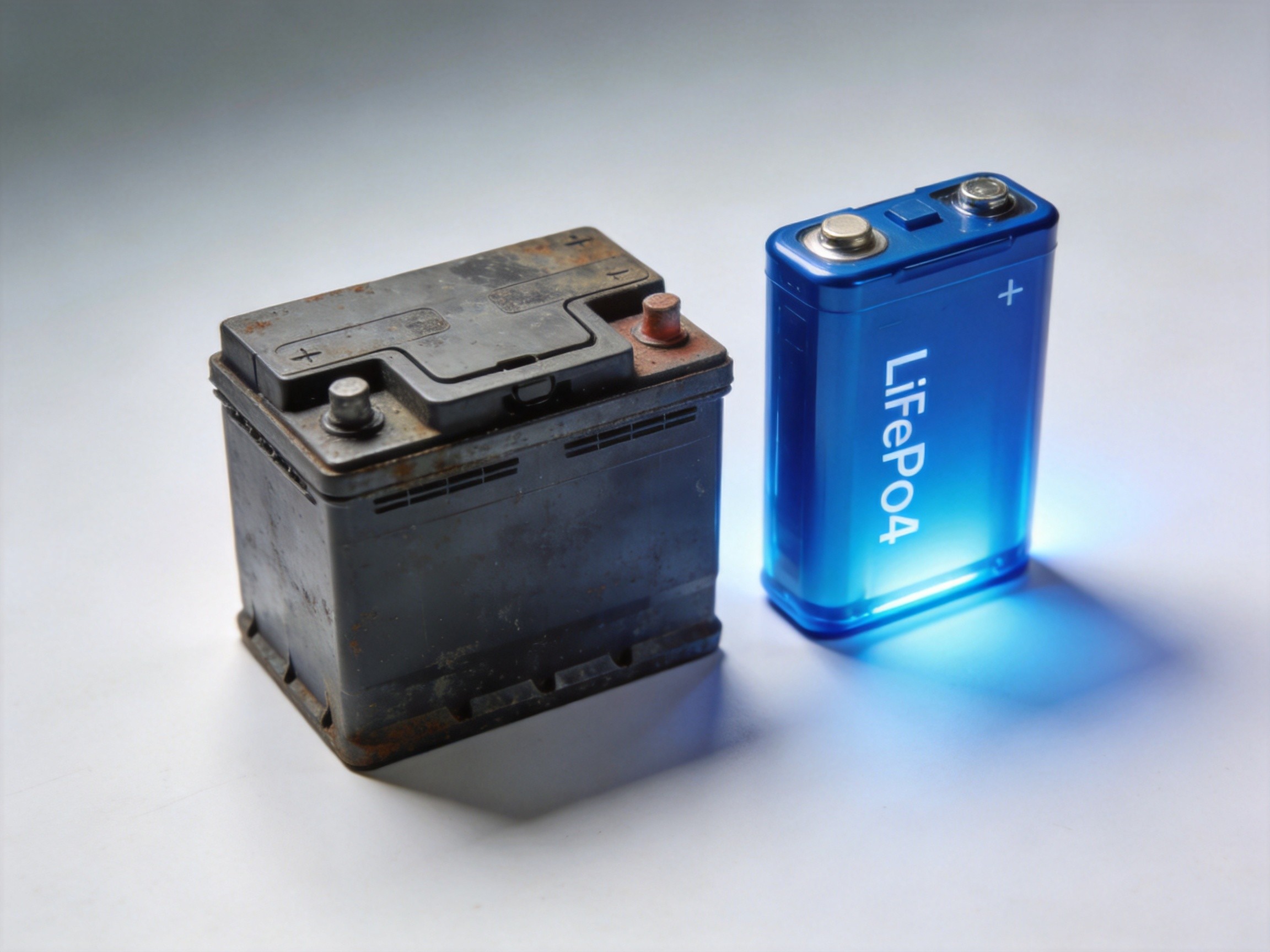
Commercial and industrial facilities in Latin America are increasingly abandoning traditional lead-acid batteries in favor of lithium iron phosphate alternatives. This transition is primarily driven by the total cost of ownership, as LiFePO4 batteries offer significantly deeper depth of discharge and longer lifespans, reducing the frequency of costly replacements. For distributors targeting the commercial sector, offering scalable, high-capacity solutions is mandatory. The Ares All-in-One ESS (SCAS-11KW-15KWH) represents the next generation of commercial storage, designed to handle heavy industrial loads while maintaining a compact footprint. How does this system facilitate the transition for legacy lead-acid users? It provides seamless integration and superior energy management, allowing facilities to maximize their solar self-consumption and engage in effective peak shaving. Distributors must educate their clients on the operational advantages of this switch. By directing clients to resources like the How to Replace Lead Acid Battery with Lithium guide, sales teams can effectively overcome initial price hesitations. Why is this educational approach necessary? Because commercial decision-makers often focus solely on upfront capital costs rather than the long-term operational savings and reduced maintenance requirements that lithium technology provides. Furthermore, the commercial market demands rigorous safety standards and reliable performance under continuous cycling. By stocking advanced commercial ESS units, distributors can position themselves as premium suppliers capable of supporting critical infrastructure, thereby unlocking higher-value contracts and fostering long-term relationships with large-scale industrial clients across the continent.
What Role Do Wall-Mounted Batteries Play in Urban Distribution Networks?
Urbanization in Latin America is creating unique spatial constraints for residential and light-commercial solar installations. In densely populated cities, floor space is at a premium, making wall-mounted solutions highly desirable for both aesthetic and practical reasons. The Athena Wall-Mounted Battery (SCAE-A-25.6-100) is specifically engineered to address these urban challenges, offering a sleek, space-saving design without compromising on energy density. How does this form factor benefit urban distributors and installers? It drastically reduces the installation time and spatial footprint required, allowing for deployments in apartments, small retail shops, and compact urban homes where traditional floor-standing units would be impractical. Distributors should analyze regional urbanization data to forecast demand for these specific models. According to the insights in the Solar Energy Storage Market Trends to Watch in 2026 report, urban residential storage is projected to see the highest percentage growth in emerging markets over the next few years. Why is this trend particularly relevant for inventory planning? Because it signals a shift in consumer preference towards modular, aesthetically pleasing systems that integrate seamlessly into modern living spaces. By choosing CMJ Solar for your supply chain, you gain access to these highly specialized urban form factors. By maintaining a robust stock of wall-mounted LiFePO4 batteries, distributors can capture this rapidly expanding urban demographic. Additionally, these units often feature simplified wiring and plug-and-play communication protocols, which reduces the need for highly specialized labor during installation, further lowering the overall system cost for the end consumer and increasing the distributor's competitive edge in crowded metropolitan markets.
How to Build a Profitable ESS Portfolio in Emerging Markets?
Strategic Product Diversification
Building a profitable energy storage portfolio requires a strategic blend of product diversification, reliable manufacturing partnerships, and localized market support. Distributors must curate a lineup that addresses various segments, from entry-level residential backup to advanced commercial microgrids. First, ensure that your core products feature robust LiFePO4 chemistry to guarantee safety and longevity in challenging environmental conditions. Second, partner with manufacturers that offer comprehensive OEM/ODM services, allowing you to customize branding, packaging, and software interfaces to meet specific regional preferences and regulatory labeling requirements. Third, prioritize suppliers that provide extensive technical documentation and localized after-sales support to minimize downtime for your clients. CMJ Solar exemplifies this partnership model by offering a comprehensive 5-year warranty across its core product lines, which significantly reduces the financial risk for distributors and builds end-user confidence. How does this warranty structure impact distributor profitability? It drastically lowers the reserve capital needed for potential replacements and enhances the brand's reputation for reliability in a market where after-sales support is often a pain point. Furthermore, exploring the full range of energy storage solutions available allows distributors to identify niche products that face less direct competition, thereby protecting their margins. By aligning your procurement strategy with these principles, you can build a resilient, high-margin portfolio that adapts to the dynamic policy and economic shifts defining the Latin American solar storage landscape in 2026 and beyond.
Frequently Asked Questions
What are the main benefits of LiFePO4 batteries for Latin American climates? LiFePO4 batteries offer exceptional thermal stability and a high tolerance for elevated temperatures, which is critical in Latin America where ambient temperatures frequently exceed standard operating ranges. This chemical stability ensures a longer cycle life, reduced degradation rates, and enhanced safety compared to traditional lithium-ion or lead-acid alternatives, ultimately providing a better return on investment for end-users in hot climates.
How do new 2026 net-metering policies affect battery sizing requirements? Updated net-metering and net-billing policies in countries like Brazil and Chile often reduce the compensation rates for exporting excess solar power to the grid. Consequently, this regulatory shift incentivizes larger battery storage capacities, as it becomes more financially viable for system owners to store their generated energy for self-consumption during peak tariff hours rather than selling it back at lower wholesale rates.
Can distributors customize the software and branding for these ESS units? Yes, partnering with manufacturers that provide full OEM and ODM capabilities allows distributors to customize the physical branding, packaging, and even the monitoring software interfaces. This customization is highly beneficial because it enables distributors to create a localized brand identity, integrate specific regional language settings, and comply with local regulatory labeling requirements without needing to develop the underlying hardware technology from scratch.
Ready to optimize your inventory for the booming Latin American solar storage market? Equip your business with high-performance, policy-compliant LiFePO4 systems that deliver unmatched reliability and profitability. To discuss bulk pricing, OEM opportunities, or technical specifications, please contact our team today and secure your competitive advantage in 2026.
Need Product Recommendations?
Our team can help you select the right energy storage or solar lighting products for your project.