
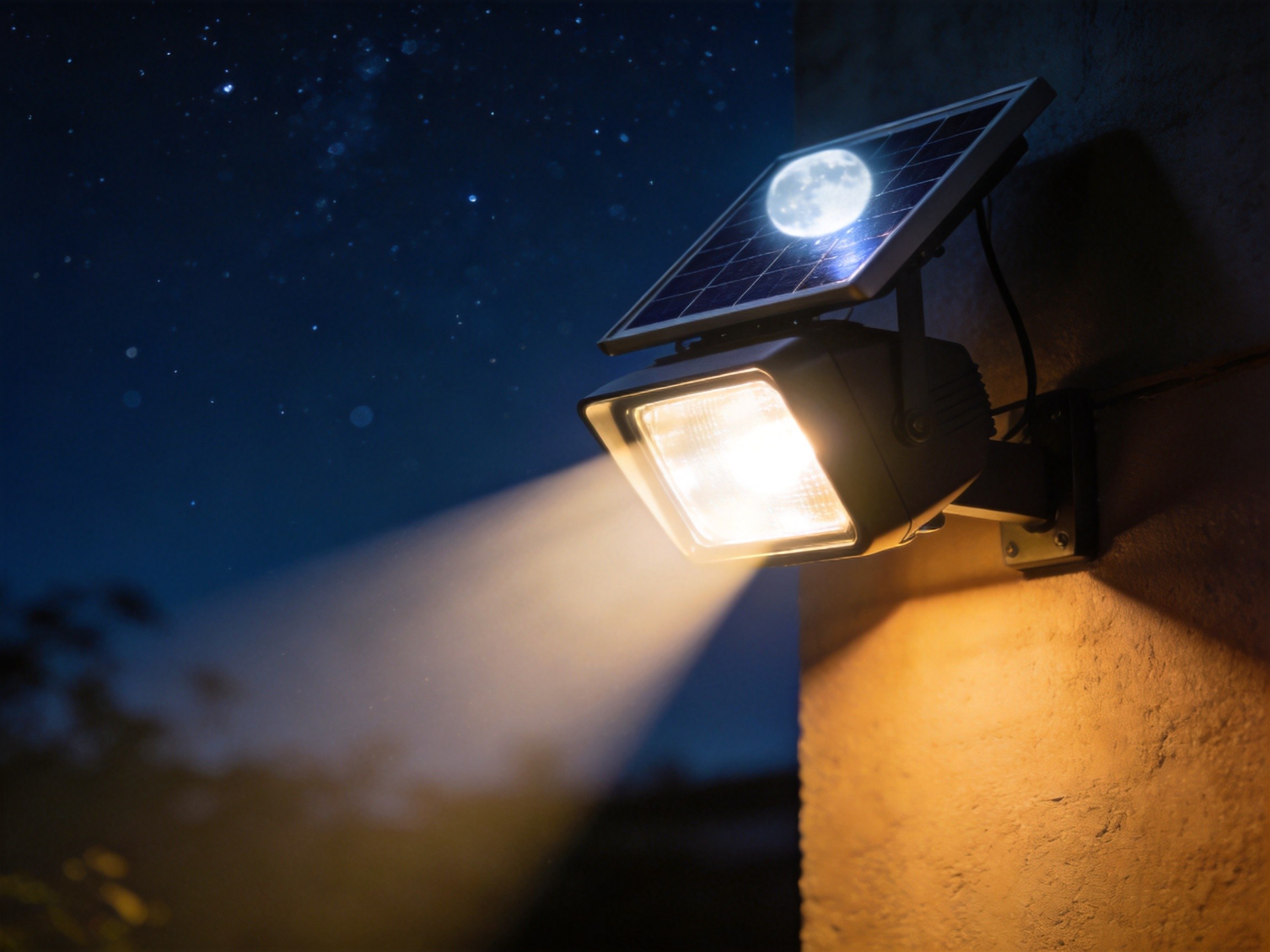
An integrated solar street light, commonly referred to as an all-in-one solar street light, is a unified lighting fixture that combines the solar panel, LiFePO4 battery, LED light source, and smart controller into a single, compact housing without external wiring. This design eliminates the need for separate battery boxes and complex trenching, allowing commercial solar lighting distributors to deploy rapid, cost-effective illumination for pathways, parks, and secondary roads. By housing all critical components within one weatherproof enclosure, the system minimizes points of failure and simplifies both logistics and on-site assembly. Ultimately, an all-in-one design means that the energy generation, storage, and consumption are perfectly calibrated within a single IP65-rated chassis, delivering a turnkey solution for modern off-grid lighting requirements.
What Exactly Constitutes an All-in-One Solar Street Light?
To understand the true value of this technology, we must look beyond the physical enclosure and examine the internal synergy of the components. An all-in-one solar street light integrates a monocrystalline solar panel, a high-capacity lithium battery, an efficient LED array, and an intelligent charge controller into a single chassis. This is fundamentally different from traditional split systems. For a deeper understanding of the architectural differences, you can read our guide on All-in-One vs Split Solar Street Light: Which Is Better. The integration means that the solar panel is often mounted directly on the top or back of the main housing, charging the internal battery which then powers the LEDs. Why does this matter for project developers? It matters because a unified design drastically reduces the bill of materials and eliminates the need for underground cabling between the pole, the panel, and the battery box. Who benefits the most from this streamlined approach? Commercial solar lighting distributors and installation contractors benefit the most, as they can transport fully assembled units and mount them in a fraction of the time required for conventional setups. The physical integration also ensures that the manufacturer has precisely calibrated the solar input to the battery capacity and the LED output. Furthermore, the single housing design naturally achieves high IP65 weatherproof ratings, protecting the internal electronics from dust and water ingress without requiring multiple separate enclosures.
How Does LiFePO4 Battery Thermal Management Work in Integrated Units?
A critical challenge in any integrated lighting system is managing the heat generated by both the LED array and the battery during operation. LiFePO4 battery thermal management in these units is primarily achieved through advanced material engineering, intelligent power distribution, and robust battery management systems. CMJ Solar addresses this by utilizing high-quality housing materials such as AL6063 aluminum alloy combined with Teijin PC, or durable ABS blends. How does this material choice facilitate thermal management? Aluminum acts as a natural heat sink, drawing thermal energy away from the internal LiFePO4 cells and the LED chips, dissipating it into the ambient air. This passive cooling is vital because excessive heat degrades battery chemistry and reduces the overall lifespan of the LEDs. Furthermore, the integrated smart controller and built-in BMS actively monitor the battery temperature and voltage. If the internal temperature exceeds safe operational thresholds during rapid charging or discharging, the controller automatically adjusts the current to protect the cells. Additionally, the BMS ensures cell voltage balancing during the charging phase, which prevents individual cells from overheating due to overcharging, further enhancing the overall thermal safety of the integrated unit. Why is this thermal regulation so important for distributors? It ensures that the units maintain their rated 2000 to 4000 cycle life even in harsh, high-temperature environments. Because CMJ Solar manufactures these units at our Jiangmen factory with strict quality control, we confidently back our LiFePO4 technology with a comprehensive 5-year warranty, giving buyers peace of mind regarding long-term thermal stability and performance.
What Are the Core Components of CMJ Solar All-in-One Street Lights?
When evaluating the technical specifications of our solar lighting portfolio, the synergy between the battery, panel, and LEDs becomes clear. Take the Navigator II 300W as a prime example of compact efficiency. It features a Grade A LiFePO4 10Ah battery paired with a 4V/12W monocrystalline panel, powering 300 pieces of 2835 SMD LEDs to deliver 994 lumens across an 80 square meter area. For larger municipal applications, the MJ-SSO300 steps up the performance significantly. It houses a massive Grade A LiFePO4 105Ah battery and a 4V/90W solar panel, utilizing 135 pieces of 5050 LED chips to produce a brilliant 8500 lumens, suitable for installation heights of 8 to 10 meters. The physical footprint of these units is also carefully optimized; for example, the MJ-SSO300 measures 1342x365x160mm, providing a sleek profile that blends into urban environments without compromising on the internal component volume required for high-capacity energy storage. For even more demanding environments, the MJ-SSO400 utilizes a 170Ah battery and a 4V/110W panel to generate 12000 lumens for heights up to 12 meters. Both the SSO and SSTH series are engineered to sustain illumination for 4 to 5 rainy days, ensuring reliability during prolonged inclement weather. Third, for medium-area coverage, the MJ-SSTH1200 offers a balanced solution with a 45Ah battery, a 4V/40W panel, and 154 pieces of 3030 LED chips, generating 3840 lumens to cover 300 square meters. How do these components work together seamlessly? The built-in controllers optimize the energy harvest from the monocrystalline panels, ensuring the LiFePO4 batteries reach full capacity within the standard 6 to 8 hours of peak sunlight, ready to deploy their stored energy efficiently throughout the night.
Why Do Commercial Solar Lighting Distributors Prefer Integrated Designs?
The shift toward integrated designs is driven by the commercial realities of large-scale deployment. Commercial solar lighting distributors prefer all-in-one units because they simplify inventory management, reduce shipping volumes, and accelerate project timelines. First, shipping a single integrated unit is vastly more space-efficient than transporting separate poles, panels, batteries, and fixtures, which directly lowers freight costs per project. Second, the installation process is reduced to a simple mechanical mount. Installers only need to secure the pole and attach the single fixture head, eliminating the complex electrical wiring and trenching required for split systems. For distributors looking to specify the right equipment for varied environments, understanding the broader selection criteria is essential, which is why we recommend reviewing our resource on How to Choose Solar Street Light for Projects. Third, maintenance is significantly streamlined. If an issue arises, the entire lighting head can be quickly swapped out and returned to the workshop for diagnostics, rather than troubleshooting multiple disconnected components in the field. Who ultimately benefits from this efficiency? The end-users benefit from faster project completion and reduced civil works costs, while distributors benefit from higher profit margins and faster inventory turnover. This rapid deployment translates directly to a faster return on investment for the end client, making the all-in-one street light a highly attractive financial proposition in competitive bidding scenarios. By offering comprehensive OEM/ODM capabilities, CMJ Solar allows distributors to customize these integrated solutions to meet specific regional aesthetic or technical requirements. This flexibility, combined with the reliable 5-year warranty, empowers distributors to present a highly competitive, low-risk value proposition to municipal and commercial clients.
Frequently Asked Questions
How many charge cycles can the integrated LiFePO4 batteries handle? The Grade A LiFePO4 batteries used in CMJ Solar all-in-one street lights are rated for 2000 to 4000 cycles, depending on the specific model and depth of discharge. This high cycle count is why these batteries are preferred over traditional alternatives, as they maintain their capacity over a much longer operational lifespan while being supported by a 5-year warranty.
What happens to the lighting performance during consecutive rainy days? The integrated systems are designed with substantial battery reserves to ensure continuous operation. Models like the Navigator II series are engineered to provide lighting duration for up to 3 rainy days, while the higher-capacity MJ-SSO and MJ-SSTH series can sustain operations for 4 to 5 rainy days. This is achieved by pairing large-capacity LiFePO4 cells with smart radar sensors that dim the light when no motion is detected, thereby conserving stored energy.
Can the smart controller be customized for different lighting modes? Yes, the integrated smart controllers support multiple operational modes to optimize energy usage. For instance, the Navigator II series features optional radar sensor configurations, allowing users to select between steady-on modes, timed steady modes followed by radar activation, or full radar mode. This flexibility ensures that the lighting output perfectly matches the specific security and traffic requirements of the installation site.
Ready to upgrade your project portfolio with reliable, high-performance integrated lighting solutions? Whether you need compact units for pedestrian pathways or high-lumen fixtures for main roads, CMJ Solar has the manufacturing capacity and technical expertise to support your business. Please contact our team today to request a quote, discuss OEM/ODM opportunities, or learn more about our comprehensive product specifications.
Part of the guide
Solar Street Lights: Selection, Installation, Municipal Specs and Tenders
Need Product Recommendations?
Our team can help you select the right energy storage or solar lighting products for your project.