
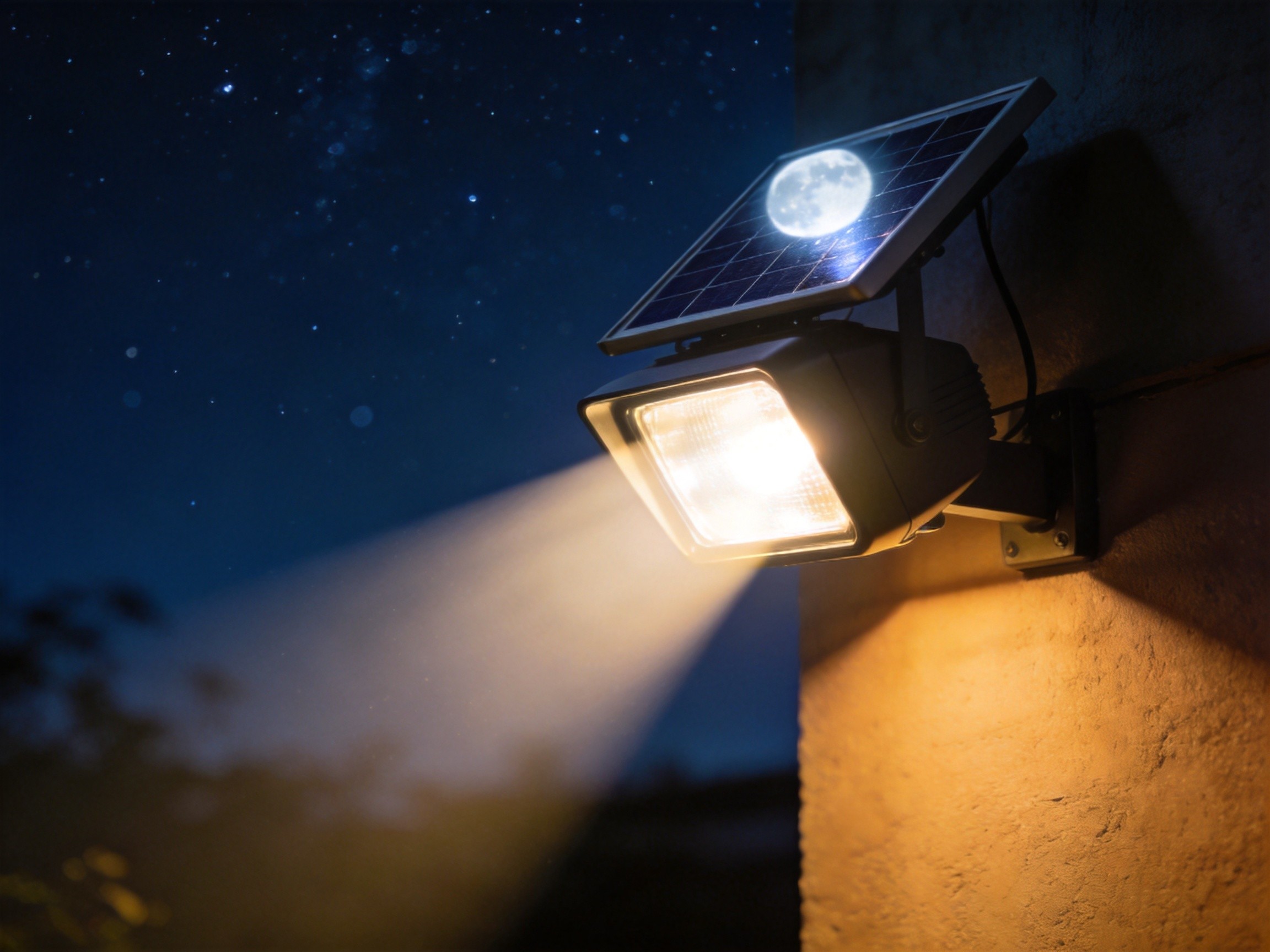
Solar lights do not strictly need direct sunlight to charge, as modern photovoltaic panels can generate power from indirect light and diffuse radiation, though direct sunlight maximizes charging efficiency and overall battery capacity. This is why high-efficiency monocrystalline cells and advanced maximum power point tracking charge controllers are absolutely critical for maintaining reliable performance during heavily overcast days or the short daylight hours of winter. When photons strike the semiconductor material in a solar panel, they dislodge electrons, creating an electrical current regardless of whether the light source is direct or scattered. However, the intensity of the light directly dictates the amperage produced, meaning that shaded or winter conditions will yield a slower charging rate. Understanding this fundamental principle is the first step in designing a resilient off-grid lighting system.
How Do Solar Lights Charge in the Shade?
Understanding solar lights charging in shade requires looking closely at how photovoltaic cells capture diffuse radiation and how modern panel architecture mitigates energy loss. When sunlight is blocked by trees, buildings, or heavy cloud cover, the panels still receive scattered light, which generates a significantly lower electrical current compared to peak direct irradiance. To compensate for this reduced energy input, manufacturers utilize high-efficiency monocrystalline silicon panels that can convert even minimal photons into usable power. This is how premium outdoor fixtures maintain reliable operation even under partial canopy cover. Furthermore, advanced solar panels incorporate bypass diodes, which allow the current to bypass shaded cell strings, preventing the entire panel from being bottlenecked by a small shadow. This technical feature is why properly engineered solar arrays can still produce meaningful energy in suboptimal lighting conditions.
For applications requiring consistent illumination in shaded areas, integrating robust energy storage is essential to buffer the intermittent energy harvest. Our Apollo A Series 5kWh All-in-One ESS (SCAP-A-51.2-100) features a Max MPPT Charge Current of 120A and a PV Input Voltage Range of 80V-500V, allowing it to efficiently harvest and store whatever limited solar energy is available. This is why commercial projects in partially shaded environments rely on advanced Maximum Power Point Tracking to optimize energy yield continuously. The MPPT controller constantly adjusts its electrical operating point to ensure the maximum possible power is transferred to the battery bank, even when the panel voltage fluctuates due to passing clouds. This level of intelligence is what separates basic consumer products from professional-grade infrastructure.
Do Solar Lights Work in Winter?
The question of do solar lights work in winter is incredibly common among project managers, and the definitive answer is yes, provided the system is correctly sized for shorter daylight hours and lower sun angles. During winter, the sun sits much lower on the horizon, reducing the intensity of light hitting the panels and shortening the daily production window. However, it is a fascinating technical reality that colder temperatures actually improve the chemical efficiency and voltage output of the solar cells themselves, offsetting some of the light loss. This is how well-designed systems continue to deliver reliable off-grid lighting throughout the freezing months. The key to winter success lies in tilting the panels to a steeper angle to capture the low winter sun and ensuring the battery bank has sufficient capacity to bridge the long, dark nights.
To ensure uninterrupted performance during winter, pairing your lighting with high-capacity LiFePO4 storage is absolutely crucial. The Apollo A Series 10kWh All-in-One ESS (SCAP-A-51.2-200) offers a massive 10240Wh capacity and a 200A discharge current, ensuring that stored energy from short winter days can power loads through extended periods of darkness. This is why LiFePO4 chemistry is heavily preferred over traditional lead-acid, as it maintains superior cycle life and depth of discharge even in cold conditions. For more insights on battery chemistry and performance, check out our comprehensive guide on LiFePO4 vs Lead-Acid: Which Battery Is Better?. Additionally, LiFePO4 batteries experience much less capacity derating in freezing temperatures compared to their lead-acid counterparts, making them the undisputed choice for year-round reliability.
What Factors Affect Solar Garden Lights Low Light Performance?
Evaluating solar garden lights low light performance involves analyzing multiple variables, including panel angle, battery capacity, LED efficiency, and smart control integration. First, the physical orientation of the panel must be adjusted to face the winter sun, typically at a steeper angle than in summer, to maximize photon capture. Second, the battery must have a high enough milliamp-hour capacity to store the reduced daily energy harvest without degrading. Third, the LED driver must be highly efficient to minimize power loss during discharge, converting stored DC power into visible light with minimal heat waste. This is why CMJ Solar Garden Lights are engineered with optimized optics and smart dimming controls to stretch every single watt of stored energy. By utilizing pulse-width modulation and dusk-to-dawn sensors, these fixtures automatically adjust their brightness based on available battery reserves.
When designing large-scale outdoor projects, selecting the right lighting and storage infrastructure is paramount for long-term success. If you are planning a major municipal or commercial installation, reviewing our How to Choose Solar Street Light for Projects can help you calculate the exact energy requirements for your specific latitude, weather patterns, and autonomy days. Furthermore, exploring our solar lighting category will reveal the full range of fixtures designed for diverse environmental challenges, from high-lumen floodlights to decorative pathway markers. It is also vital to consider the IP rating of your fixtures; understanding IP Ratings Explained: Choosing Weatherproof Solar Lights ensures that your investment can withstand heavy snow, rain, and dust ingress without failing.
How Does CMJ Solar Optimize Systems for Challenging Conditions?
At the CMJ Solar Jiangmen factory, we engineer our products to withstand the harshest environmental conditions through rigorous OEM/ODM manufacturing processes and strict quality control. First, we utilize premium tier-1 solar cells that offer superior low-irradiance performance and higher conversion efficiencies. Second, we integrate advanced MPPT algorithms into our charge controllers to track the maximum power point even when heavy clouds obscure the sun. Third, we test all our LiFePO4 batteries extensively to ensure they operate reliably across a wide temperature range, backed by our comprehensive 5-year warranty. This is how we guarantee that our global clients receive durable, high-yield energy solutions year after year. Our commitment to vertical integration allows us to control every aspect of the production process, from cell selection to final assembly.
For larger commercial or municipal projects that require massive energy buffering and load management, the Apollo B Series 5kWh All-in-One ESS (SCAP-B-51.2-100) provides a compact yet powerful solution with a 51.2V nominal voltage and 100A Max MPPT Charge Current. This is why distributors and EPC contractors trust our scalable architecture to build resilient microgrids that support both solar lighting and critical backup loads. To learn more about the intricacies of energy harvesting, read our detailed article on How MPPT Charge Controllers Work in Solar Storage Systems. By combining our high-efficiency lighting products with these robust storage solutions, project managers can eliminate grid dependency and reduce long-term operational costs.
Frequently Asked Questions
Can solar lights charge through glass or windows? Yes, solar lights can charge through glass, but the efficiency drops significantly because standard window glass blocks certain UV and infrared wavelengths while reflecting a portion of the visible light. This is why placing panels behind glass is not recommended for optimal charging, and direct outdoor exposure is always preferred to maximize energy harvest and ensure the battery reaches full capacity.
How many hours of sunlight do solar lights need to charge fully? Most standard solar lights require about 6 to 8 hours of direct sunlight to reach a full charge, though high-efficiency panels can achieve a usable charge in as little as 4 hours of strong indirect light. This is why it is critical to install panels in locations that avoid early afternoon shading, ensuring they capture the peak solar irradiance of the day and maintain consistent nightly runtime.
How should I maintain solar panels during winter months? To maintain optimal winter performance, you should gently brush off heavy snow accumulation using a soft-bristled brush and ensure the panel surface is free of debris that could block low-angle sunlight. This is why regular seasonal maintenance is essential for off-grid systems, as even a thin layer of ice or dirt can drastically reduce the already limited energy harvest during the shortest days of the year.
Closing CTA
Ready to upgrade your outdoor illumination or energy storage infrastructure with equipment built for any weather condition? For project quotes and customized engineering solutions, contact our team today to discuss your specific requirements.
Part of the guide
Solar Lighting Fundamentals: IP Ratings, Weatherproofing and Runtime
Need Product Recommendations?
Our team can help you select the right energy storage or solar lighting products for your project.