Why IP Ratings Matter for Solar Lights
Solar lighting fixtures live outdoors year-round, exposed to rain, snow, dust, humidity, and temperature extremes. The Ingress Protection (IP) rating is the international standard that defines how well an electrical enclosure resists intrusion from solid objects and liquids. For B2B buyers selecting solar lights for projects, understanding IP ratings is essential to choosing products that will survive the installation environment.
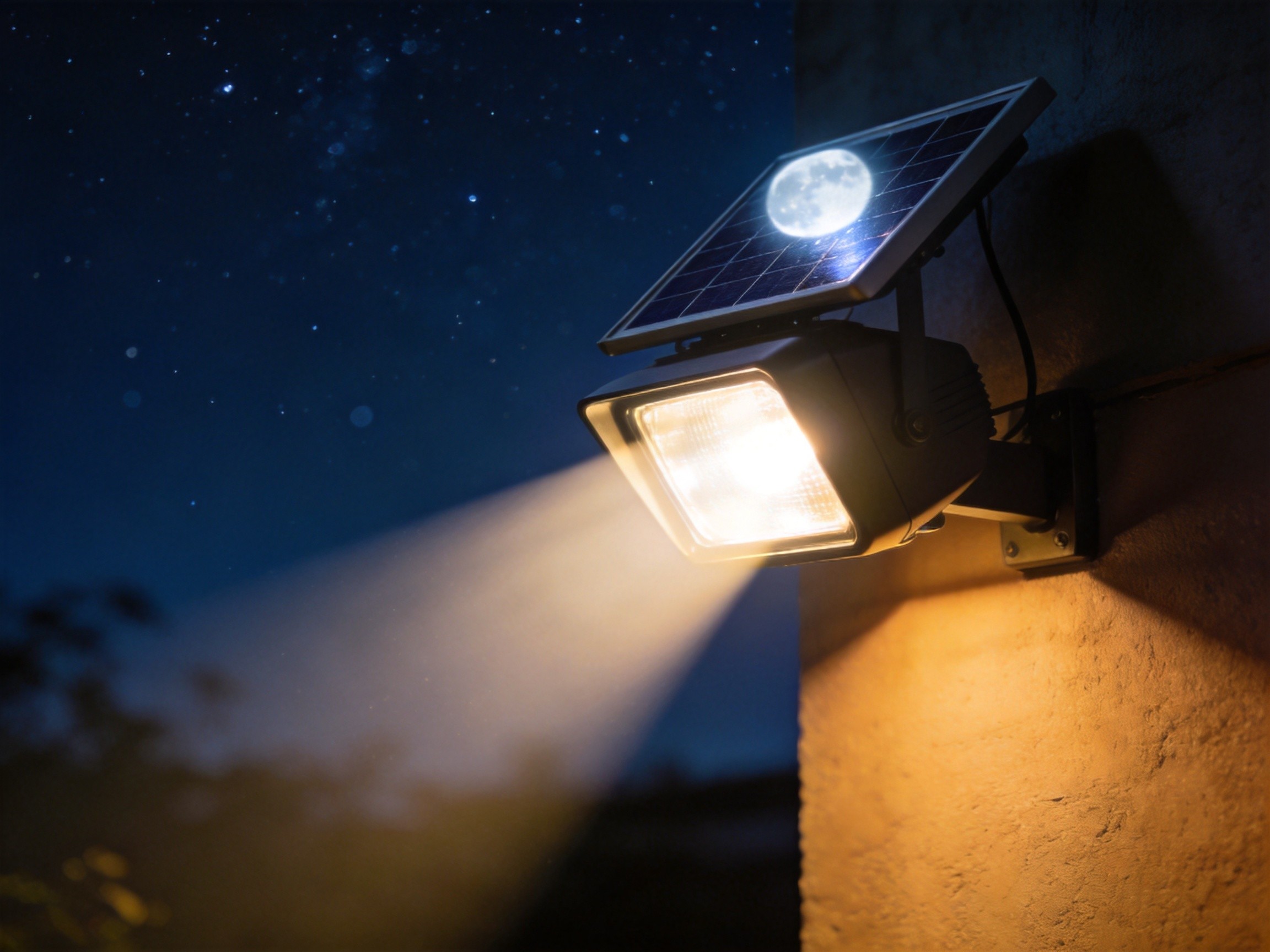
All CMJ Solar solar lights — including the Breaker flood light series and Navigator II street lights — carry an IP65 rating. This guide explains what that means and how it compares to other ratings.
Decoding the IP Code
An IP rating consists of the letters "IP" followed by two digits and, in some cases, an optional letter. Each digit has a specific meaning:
- First digit (0-6): Protection against solid objects, including dust and contact with internal components.
- Second digit (0-9): Protection against water ingress.
For example, IP65 means:
- 6 = Dust-tight: No dust can enter the enclosure.
- 5 = Protected against water jets from any direction.
First Digit: Solid Particle Protection
| Digit | Protection | Meaning for Solar Lights |
|-------|------------|--------------------------|
| 0 | No protection | Not suitable for outdoor use |
| 1-3 | Large objects (over 2.5mm) | Basic protection, insufficient for outdoor fixtures |
| 4 | Objects over 1mm | Protects against most wires and tools |
| 5 | Dust-protected | Some dust may enter but not enough to interfere with operation |
| 6 | Dust-tight | Complete protection against dust; required for reliable outdoor performance |
Second Digit: Water Ingress Protection
| Digit | Protection | Meaning for Solar Lights |
|-------|------------|--------------------------|
| 0 | No protection | Not outdoor rated |
| 1-3 | Dripping/sprays | Suitable only for sheltered locations |
| 4 | Splashing water | Handles light rain from any angle |
| 5 | Water jets (12.5L/min) | Withstands rain from any direction; standard outdoor rating |
| 6 | Powerful water jets (100L/min) | Handles heavy rain and pressure washing |
| 7 | Temporary immersion | Can be submerged up to 1m for 30 minutes |
| 8 | Continuous immersion | Suitable for prolonged submersion |
| 9K | High-pressure/steam | Withstands high-pressure, high-temperature water jets |
What IP65 Means in Practice
IP65 is the gold standard for general outdoor solar lighting. A dust-tight seal is critical because dust buildup on circuit boards and LED drivers causes overheating and premature failure. The water-jet protection means the fixture can withstand heavy rain driven by wind from any direction — conditions that solar lights routinely encounter.
An IP65-rated solar light can be safely installed in:
- Residential gardens and pathways
- Street and road lighting
- Parking lots and commercial building exteriors
- Construction sites and industrial yards
- Coastal environments (with appropriate corrosion-resistant materials)
- Regions with heavy seasonal rainfall or snow
What IP65 Does Not Mean
IP65 does not mean the fixture is submersible. A solar flood light mounted on a wall should never be positioned where standing water reaches the fixture. It also does not guarantee resistance to pressure washing — if fixtures need regular washdowns in dusty or food-processing environments, IP66 is a safer choice.
Common IP Ratings for Solar Lighting
IP44 and IP54: Limited Outdoor Use
Lights rated IP44 or IP54 resist splashing water but are not fully dust-tight (IP54) or lack water-jet protection (IP44). These ratings are acceptable for covered porches or under eaves but are not recommended for exposed pole-mounted or wall-mounted solar lights. Dust ingress over time can compromise the LED driver and battery connections.
IP65: The Standard for Outdoor Solar Lights
IP65 is the minimum recommended rating for any solar light installed in an exposed outdoor location. It provides complete dust protection and withstands water jets, covering the vast majority of climate conditions worldwide. This is why all CMJ Solar flood lights, street lights, and garden lights carry an IP65 rating.
IP66 and IP67: For Extreme Conditions
IP66 adds protection against powerful water jets, making it suitable for environments where fixtures may be pressure-washed or exposed to driving rain at high velocity. IP67 provides temporary immersion protection, relevant for ground-level fixtures in flood-prone areas. However, ratings above IP65 are uncommon in standard solar lighting and typically add cost without meaningful benefit for normal installations.
Beyond the IP Number: Material and Build Quality
The IP rating alone does not tell the whole story. Two IP65 lights can have very different real-world durability depending on:
Housing Material
Die-cast aluminum (used in Breaker and Interstellar series lights) provides excellent heat dissipation and corrosion resistance. ABS plastic housings are lighter and cheaper but may degrade under prolonged UV exposure. For coastal or high-UV environments, aluminum housings with powder-coated finishes offer superior longevity.
Gasket and Seal Quality
The IP rating is only as good as the gaskets that seal the enclosure. Silicone or EPDM rubber gaskets maintain their seal across a wide temperature range and resist UV degradation. Over time, cheap gaskets can harden and crack, allowing water intrusion even on a fixture that was originally IP65.
Cable Entry Points
For split-type lights and any fixture with external cables, the cable gland is a common failure point. Quality cable glands with integrated strain relief and O-rings maintain the seal despite cable movement from wind and thermal expansion. All-in-one designs eliminate this concern entirely by sealing all components inside a single housing.
Lens Material
The LED lens must be UV-stabilized polycarbonate (PC) or tempered glass to avoid yellowing or cracking. Teijin PC lenses, used in CMJ Solar SSO and Starship series products, are engineered for long-term UV resistance and impact strength.
Choosing the Right IP Rating for Your Project
Standard Outdoor Installations
For streets, parking lots, gardens, and building exteriors in most climates, IP65 is sufficient and represents the best balance of performance and cost.
Dusty or Desert Environments
In desert regions with fine sand and dust, the dust-tight (6) first digit is non-negotiable. IP65 is the minimum; look for aluminum housings and consider steeper panel tilt angles to shed dust.
Coastal and Marine Environments
Salt air accelerates corrosion. While IP65 prevents water ingress, also verify that the housing uses marine-grade aluminum or corrosion-resistant coatings. 316 stainless steel hardware is preferable for mounting brackets in coastal zones.
Heavy Snow or Freezing Rain
IP65 handles melting snow and rain, but ensure the fixture operating temperature range covers local winter lows. LiFePO4 batteries in CMJ Solar products are rated for operation across typical outdoor temperature ranges, though charging below 0 degrees C may be limited by the BMS.
Food Processing or Washdown Areas
If the light will be regularly pressure-washed, specify IP66 or IP67. For most solar lighting applications, this level is unnecessary because fixtures are mounted at height and not routinely washed.
Verifying IP Ratings
Unfortunately, IP rating claims are not always trustworthy. Some manufacturers label products as IP65 without independent testing. B2B buyers should:
1. Request test reports from accredited laboratories (e.g., IEC 60529 certification).
2. Inspect sample units for gasket quality, cable gland design, and housing fit.
3. Check warranty terms — manufacturers confident in their sealing typically offer longer warranties.
4. Look for consistent ratings across the entire product line rather than just flagship models.
CMJ Solar provides IP65 certification documentation for all solar lighting products and backs them with a 2-year warranty.
Conclusion
Understanding IP ratings helps buyers select solar lights that will deliver reliable performance in the intended environment. For nearly all outdoor solar lighting applications, IP65 is the recommended minimum — it provides complete dust protection and resistance to rain and water jets. However, the IP number should be evaluated alongside housing material, gasket quality, and lens durability to assess real-world weather resistance.
All CMJ Solar solar lights — including the full solar lighting range of flood lights, street lights, garden lights, and security lights — are built to IP65 standards with quality aluminum housings and UV-stabilized lenses. Contact our team for IP certification documents, product samples, or project-specific recommendations.
Need Product Recommendations?
Our team can help you select the right energy storage or solar lighting products for your project.