
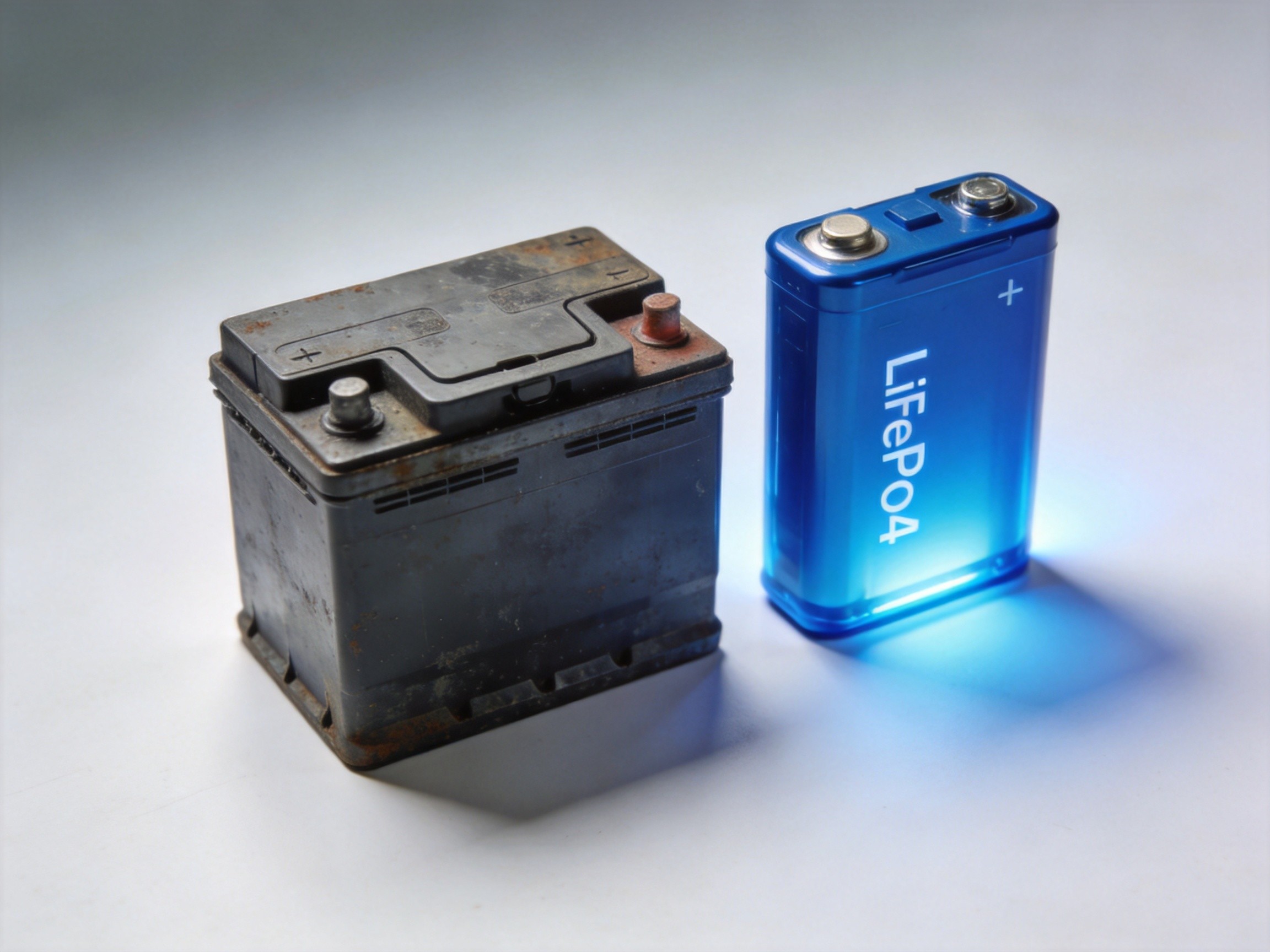
Stackable batteries provide a floor-standing, highly modular architecture ideal for scaling large energy capacities, whereas wall-mount batteries offer a space-saving, streamlined aesthetic perfect for standard residential installations. Choosing between a stackable vs wall mount battery ultimately depends on your available floor space, desired expansion method, and specific capacity requirements for your home energy storage system. This distinction matters because physical footprint directly impacts where and how the system can be deployed in a residential or commercial setting.
What Are the Core Differences Between Stackable and Wall-Mount Batteries?
When evaluating home energy storage form factors, the primary distinction lies in physical orientation and structural design. Stackable batteries are designed to sit on the floor and are built to be physically layered on top of one another, creating a vertical tower of energy. This design is highly favored for garage installations or dedicated utility rooms where floor space is abundant but wall space might be occupied by shelving or electrical panels. Wall-mount batteries, conversely, are engineered to be secured directly to a vertical surface. This approach elevates the equipment off the floor, protecting it from potential flooding, dust accumulation, and accidental physical impacts. CMJ Solar engineers both form factors at our Jiangmen factory, the Athena wall-mounted series and the Apollo stackable all-in-one series, to ensure that regardless of the physical orientation, the internal LiFePO4 chemistry and battery management systems maintain optimal thermal regulation. The choice between the two dictates the installation workflow, as wall-mount units require robust wall anchors and stud finding, while stackable units require a level, load-bearing floor surface. Furthermore, the aesthetic integration differs significantly; wall-mount units often feature sleek, modern front panels designed to blend into residential interiors, whereas stackable units prioritize industrial durability and easy cable routing between stacked tiers.
How Does Installation Space Dictate Your Form Factor Choice?
Residential battery installation space is often the most limiting factor in system design, making the physical dimensions of the battery a critical parameter. Wall-mount batteries are specifically designed to minimize the footprint in tight environments like urban apartments, narrow hallways, or compact utility closets. For example, the Athena Wall-Mounted Battery 2.5kWh (25.6V/100Ah) SCAE-A-25.6-100 features compact dimensions of 36*19.5*42CM, allowing it to fit into narrow wall spaces without obstructing walkways. This spatial efficiency is crucial for homeowners who need to maximize their usable floor area, especially in regions where real estate footprint is at a premium. Stackable batteries, while offering excellent energy density, require a dedicated floor area and sufficient ceiling clearance to accommodate the stacked height. If a homeowner has a wide but low-ceiling garage, a stackable configuration might spread out horizontally, whereas a high-ceilinged utility room might benefit from vertical stacking. Understanding the exact spatial constraints of the end-user's property ensures that the selected form factor integrates seamlessly without requiring costly structural modifications or violating local fire clearance codes.
Which Form Factor Offers Better Modular Solar Battery Expansion?
Modular solar battery expansion is a key requirement for modern energy systems, allowing users to start with a smaller capacity and scale up as their energy needs grow. Stackable batteries inherently excel in this area because their physical design is literally built for modularity; adding capacity simply involves placing another identical battery module on top of the existing stack and connecting the power and communication cables. This vertical expansion keeps the footprint exactly the same while doubling or tripling the capacity. For a sales-side view of that scalability, including entry pricing and the upsell path from 5kWh to 30kWh, see our modular stackable ESS scaling guide. Wall-mount batteries also support modular expansion, but adding capacity requires finding additional available wall space next to or below the existing unit. For instance, if you need to scale up a wall-mounted system, you might parallel multiple units, such as combining the Athena Wall-Mounted Battery 10kWh (51.2V/220Ah) SCAE-A-51.2-200 with additional 5kWh or 10kWh wall-mounted modules. Both form factors utilize high-quality LiFePO4 cells rated for 2000 to 4000 cycles, ensuring that the modular expansion does not compromise the long-term lifespan of the system. Furthermore, all CMJ Solar energy storage products in this category are backed by a 5-year warranty, providing peace of mind as the system scales over time. For projects demanding massive, centralized capacity in a single footprint, a Modular Stackable ESS might be the superior choice, whereas distributed wall mounts are better for spreading capacity across multiple zones.
How Do Voltage and Capacity Options Compare Across Form Factors?
The available voltage and capacity ranges can heavily influence the decision between a stackable vs wall mount battery, as different form factors cater to different system voltage architectures. Wall-mount batteries from CMJ Solar cover a broad spectrum, starting from 25.6V systems for smaller setups up to robust 51.2V architectures for whole-home backup. The Athena lineup includes high-capacity options like the Athena Wall-Mounted Battery Value Series 34kWh (51.2V/670Ah) 200A BMS SCAE-B-51.2-670, which delivers massive storage in a single wall-mounted footprint measuring 81*40*76CM. This high-capacity wall-mount option reduces the need for complex parallel wiring that would otherwise be required if using multiple smaller units. Stackable systems often focus on standardizing a single module size to simplify the stacking process, meaning you achieve higher capacities purely through physical repetition. When evaluating these options, it is also worth considering integrated solutions like the Apollo All-in-One ESS or the Ares All-in-One ESS, which combine the inverter and battery into a single unit, further altering the spatial and electrical requirements of the installation. Selecting the right voltage and capacity ensures that the inverter and battery communicate efficiently, maximizing the overall round-trip efficiency of the energy storage system.
What Should Distributors Consider When Specifying Form Factors?
For distributors and installers, selecting the right form factor is as much about logistics and customer preference as it is about technical specifications. Wall-mount batteries are generally easier to transport in standard vehicles due to their flatter, more compact packaging, and they often appeal to residential customers who prioritize aesthetics and floor space. Stackable batteries, while sometimes heavier per module, offer a uniform look that is highly popular in markets where garage installations are the norm. To ensure your team is fully equipped to make these recommendations, reviewing the Wall-Mounted LiFePO4 Batteries: A Distributor's Guide to Specifying the Right Model is highly recommended. This resource breaks down the technical nuances of specifying the correct wall-mounted model based on load requirements. Additionally, understanding broader system integration is critical, which is why consulting the guide on How to Choose a Home Energy Storage System can help align the battery form factor with the overall solar array and inverter setup. As an OEM/ODM partner, CMJ Solar works closely with distributors to tailor these form factors to specific regional market demands, ensuring that the physical design meets local installation preferences and regulatory standards. For example, European markets often heavily favor compact wall-mount solutions due to smaller utility closets, while North American markets frequently utilize stackable configurations in spacious suburban garages. By understanding these regional nuances, distributors can stock the most appropriate inventory and provide better technical support to their local installers.
Frequently Asked Questions
Can I mix stackable and wall-mount batteries in the same system? Generally, it is not recommended to mix different physical form factors in the same parallel string because their internal impedance, physical cooling profiles, and cable lengths differ, which can lead to unbalanced charging and discharging; it is best to keep the form factor consistent within a single parallel cluster.
Do wall-mount batteries require special wall reinforcement? Yes, because high-capacity LiFePO4 batteries are dense and heavy, wall-mount installations require securing the brackets directly into structural wall studs or using masonry anchors on concrete walls to safely support the continuous static load and prevent accidental pulling.
Which form factor is better for outdoor or semi-outdoor installations? Wall-mount batteries are often preferred for covered outdoor areas like carports because elevating them off the ground protects the unit from ground-level moisture, puddles, and debris, though you must always verify the specific IP rating of the enclosure for your environmental conditions.
Finalizing Your Energy Storage Form Factor
When making your final selection, consider these key factors. First, evaluate your available floor space versus wall space to determine the physical viability of each form factor. Second, calculate your future expansion needs to decide if vertical stacking or horizontal wall paralleling better suits your growth plan. Third, consult with your installation team to ensure the chosen form factor aligns with their mounting expertise and local structural codes. Deciding between a stackable vs wall mount battery comes down to a careful evaluation of your physical space, expansion goals, and aesthetic preferences. Stackable units offer unmatched vertical modularity for dedicated utility spaces, while wall-mount units provide a sleek, space-saving solution for modern homes. By leveraging the extensive energy storage portfolio from CMJ Solar, you can find the perfect balance of capacity, voltage, and physical design for any project. To discuss specific project requirements, request technical datasheets, or explore OEM/ODM partnerships, please contact our team today to get a customized quote.
Part of the guide
LiFePO4 Battery Types and Voltages: 12V, Wall-Mounted, Rack and Lead-Acid Replacement
Need Product Recommendations?
Our team can help you select the right energy storage or solar lighting products for your project.