
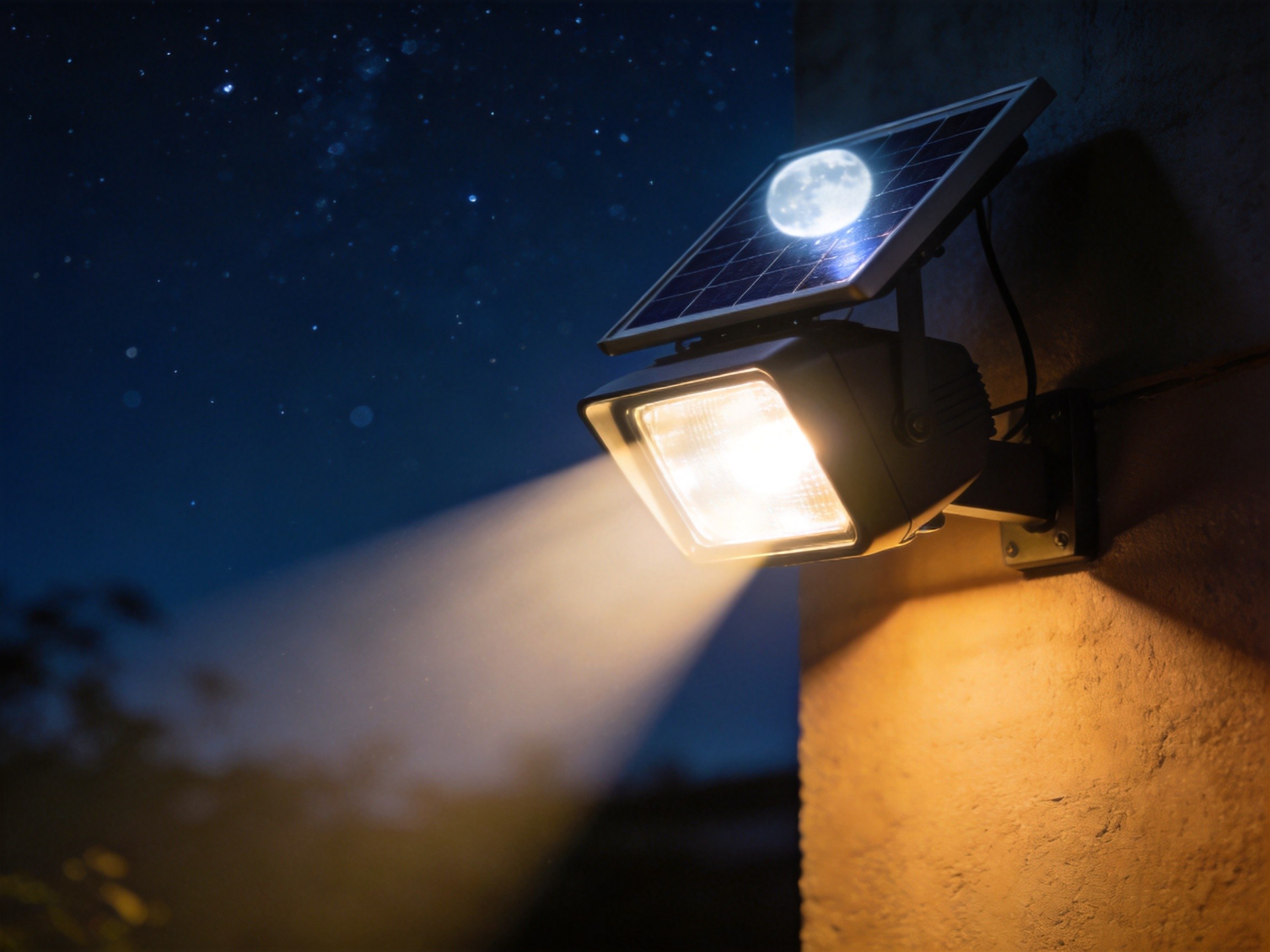
Solar garden lights not charging is typically caused by obstructed solar panels, depleted lithium iron phosphate batteries, or faulty light control sensors blocking the charging cycle. To restore functionality, users must clear physical debris from the monocrystalline panels, verify the battery connections, and ensure the ambient light sensor is unobstructed so the system recognizes daytime charging conditions.
Why Are My Solar Garden Lights Not Charging?
When evaluating why solar garden lights stop working, the most frequent culprit is physical obstruction of the photovoltaic array. Dust, pollen, bird droppings, and overgrown foliage create a micro-shade effect that drastically reduces voltage output, preventing the battery from reaching its full capacity. This happens because the photovoltaic cells require direct photon impact to generate the necessary electrical current, which is blocked by physical barriers. In commercial landscape deployments, installers often overlook the seasonal growth of surrounding vegetation, which eventually casts shadows over the panels during peak sun hours.
Another critical factor is the orientation of the panel itself. If the fixture is installed at an incorrect tilt angle, it fails to capture maximum solar irradiance, directly extending the required charge time. Furthermore, internal wiring faults or degraded battery cells can interrupt the energy transfer from the panel to the storage unit. As a manufacturer operating a dedicated Jiangmen factory, CMJ Solar emphasizes that proper site assessment is essential during the OEM/ODM planning phase to ensure unobstructed southern exposure in the northern hemisphere. Our engineering team designs integrated charge controllers that can mitigate minor shading effects, but physical obstructions must still be cleared manually. Understanding these environmental and mechanical variables allows facility managers to diagnose charging failures accurately and implement targeted corrective measures before assuming the hardware is defective. Additionally, extreme temperature fluctuations can temporarily reduce the chemical efficiency of the battery, making it appear as though the panel is not charging when the issue is actually thermal throttling.
How to Clean Solar Panels for Charging?
Restoring optimal energy capture requires a systematic approach to cleaning the photovoltaic surface. First, you must turn off the lighting system and allow the unit to cool down if it has been exposed to direct sunlight, as thermal shock from cold water can crack the glass laminate. Second, use a soft, non-abrasive microfiber cloth or a soft-bristled brush to gently remove loose debris, dust, and spider webs from the panel surface, ensuring you do not apply excessive pressure that could scratch the anti-reflective coating. Third, wipe the panel with a mild soap and water solution to eliminate stubborn grime, bird droppings, or tree sap, followed by a thorough rinse with clean water to prevent mineral deposits from drying on the glass.
For example, the Star Diamond H275A (MJ-DA275) features a Φ225 glass laminated monocrystalline panel rated at 4V/5.5W, which requires careful handling to maintain its optical clarity and 582LM luminous output. The overall dimensions of 261*126*275mm mean the panel is positioned at a specific height, requiring a stable ladder for safe and effective cleaning. This meticulous cleaning process is crucial because even a thin layer of dirt can reduce solar absorption efficiency by up to twenty percent, directly impacting the charging duration. By maintaining a pristine panel surface, operators ensure that the integrated 18730 LiFePO4 3.2V/8800mAh battery receives the maximum possible current during the standard 5-6 hours of required charge time.
What to Do When Solar Lights Are Not Turning On at Night?
If the panels are clean but the solar lights not turning on at night remains an issue, the problem likely lies within the light control sensor or the battery discharge circuit. The photocell sensor detects ambient light levels to trigger the LED array; if this sensor is covered by paint, dirt, or a physical shield, the system will incorrectly perceive daylight and remain in charging mode. To resolve this, inspect the sensor lens for obstructions and clean it gently with a dry cloth.
Additionally, verify that the battery is not completely depleted due to prolonged cloudy weather. Models like the Nebula Lawn Light (MJ-MG-G625) utilize advanced light control and remote control functions, paired with a 26700 LiFePO4 3.2V/4000mAh battery and a Φ196 glass laminated 4V/4W panel. If the battery voltage drops below the minimum discharge threshold, the internal protection board will prevent the LEDs from illuminating to avoid deep discharge damage. In such cases, using the included remote control to manually override the light control sensor can help diagnose whether the issue is sensor-related or battery-related. Furthermore, because this model includes a 210mm ground spike, ensure the unit is not pushed too deeply into dense foliage where ground-level shadows might trick the sensor. Verify the IP65 rated enclosure is properly sealed, as moisture ingress can corrode the internal sensor contacts, leading to intermittent operation or complete failure of the nighttime illumination sequence.
How Does Battery Degradation Affect Charging Performance?
Over time, the chemical capacity of any rechargeable cell diminishes, which directly impacts how efficiently a solar garden light stores and delivers energy. Lithium iron phosphate cells are renowned for their stability, typically offering a rated cycle life of 2000 cycles before capacity degradation becomes noticeable. When a battery approaches the end of its useful life, its internal resistance increases, causing it to heat up during charging and accept a lower total charge. This means the light may appear to charge fully but will discharge rapidly once night falls.
Unlike older lead-acid alternatives that suffer from severe voltage sag under heavy loads, LiFePO4 cells maintain a stable discharge curve, ensuring consistent power delivery until the battery is nearly empty. For high-output fixtures like the Solar Ark 1000W (MJ-ARK-1000W), which utilizes a Grade A LiFePO4 3.2V/30Ah battery and a 4V/40W monocrystalline panel, maintaining battery health is critical for sustaining its 2560lm luminous output from 160 pcs 3030 LED chips over 2-3 rainy days. Distributors and project planners often refer to comprehensive resources like Solar Garden Lights for Landscape Projects: Star Diamond, Nebula, and Solar Ark Compared to understand the specific technical nuances of these high-capacity models. To maximize longevity, it is advisable to follow established guidelines, such as those detailed in LiFePO4 Battery Maintenance: 8 Tips to Extend Lifespan, which explain how avoiding extreme temperatures and preventing deep discharges can preserve the electrochemical integrity of the cells. Ultimately, recognizing the signs of battery fatigue allows for proactive replacements, ensuring the lighting system continues to perform reliably without unexpected downtime in critical commercial applications.
What Factors Influence Solar Panel Charge Time?
The duration required to fully charge a solar lighting system depends on multiple variables, including panel wattage, battery capacity, and geographic solar irradiance. A higher wattage panel generates more current, thereby reducing the total time needed to replenish the battery. For instance, the Star Diamond H780B (MJ-DB780) is equipped with a 200*200 glass laminated monocrystalline panel delivering 4V/7.5W, which optimizes the charge time to just 4-5 hours for its 18730 LiFePO4 3.2V/8800mAh battery and 672LM output. This faster charging capability is particularly beneficial for installations in regions with shorter winter daylight hours or frequent cloud cover.
Conversely, systems with lower wattage panels relative to their battery size will inherently require longer exposure to peak sunlight. Geographic location also plays a pivotal role; installations closer to the equator receive more direct solar radiation throughout the year, naturally accelerating the charging process compared to higher latitude sites. Additionally, the angle of incidence and seasonal sun path variations dictate the actual energy harvest. By selecting a system with an appropriately sized panel for the local climate, project managers can guarantee consistent nightly performance and maximize the 2-3 rainy days working duration. Warranty terms vary by model and project; contact CMJ Solar for specific warranty terms. Understanding these environmental and technical factors ensures that the selected Solar Garden Lights are perfectly matched to the specific irradiance profile of the deployment site.
Frequently Asked Questions
Why is my solar garden light charging but not turning on? This usually occurs when the ambient light sensor is obstructed by dirt or debris, preventing it from detecting the darkness required to trigger the LED array, or when the battery voltage has dropped below the minimum threshold needed to activate the internal discharge circuit. In some cases, a faulty remote control receiver may also interfere with the automatic light control function.
How long does it take to fully charge a commercial solar garden light? Charge times typically range from 4 to 6 hours of direct sunlight, depending on the specific panel wattage and battery capacity; for example, higher wattage panels can achieve a full charge in 4-5 hours under optimal conditions, while standard models may require 5-6 hours to reach maximum capacity.
Can I use a solar garden light during continuous rainy weather? Yes, properly designed systems are engineered to sustain illumination for 2-3 consecutive rainy days on a full charge, though performance will gradually diminish if the panels do not receive adequate sunlight to replenish the battery between storms, making regular maintenance crucial for extended autonomy.
Ensuring your outdoor illumination systems operate at peak efficiency requires understanding the technical parameters and environmental factors that influence solar charging. Whether you are specifying fixtures for a residential pathway or a large-scale commercial landscape, selecting the right panel-to-battery ratio is critical for long-term reliability. If you are planning a large-scale deployment and need to select the right fixtures with optimized performance metrics, contact our team to discuss your project requirements, request a quote, and obtain detailed technical specifications from our engineering department.
Part of the guide
Solar Security, Garden, RGB and Strip Lights for Homes and Landscapes
Need Product Recommendations?
Our team can help you select the right energy storage or solar lighting products for your project.