
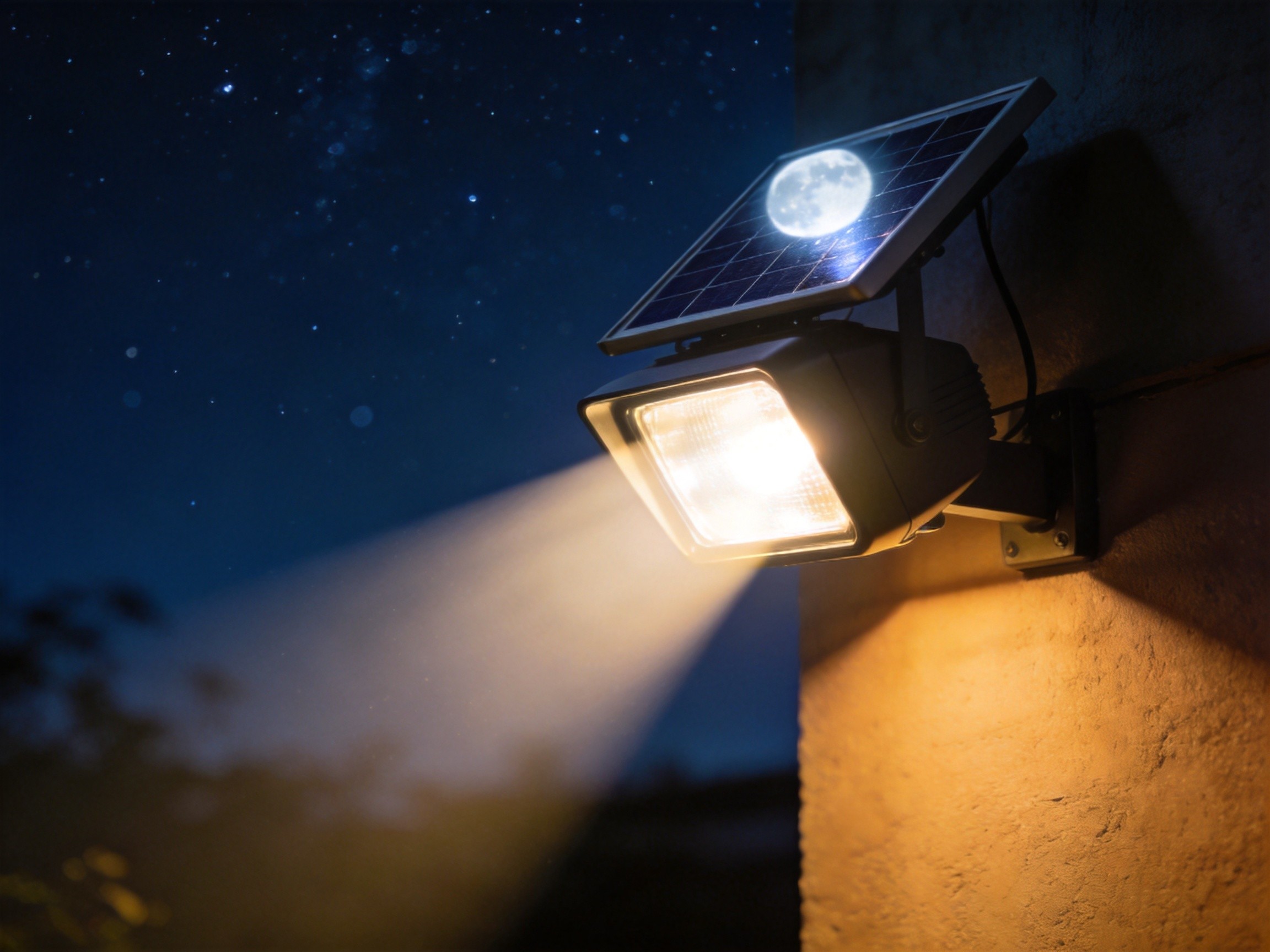
In May 2026, a Lagos-based EPC contractor commissioned 300 all-in-one solar street lights across three rural communities in south-west Nigeria, replacing kerosene lanterns, torchlight movement and diesel-powered generator lighting with zero-grid infrastructure. Six months later, including a full monsoon season, more than 98 percent of the units were operating at full specification, with no battery replacements and fewer than ten maintenance call-outs in total. This case study explains how the system was specified from CMJ Solar's product range, why three different all-in-one models were mixed in one project, and what other EPC firms tendering rural lighting work can take from it.
Project Background: Three Communities, One Grid Gap
The client was a state-linked rural electrification programme working in three communities of between 2,000 and 6,000 residents each. None of the communities had a realistic expectation of grid connection within the funding horizon, and evening economic activity stopped after dark apart from small traders running lanterns. The scope covered primary access roads, a central market area in each community, lanes leading to a clinic and two schools, and an open-air gathering ground used for meetings and church services. The contractor had previously delivered solar home systems but wanted a single, standardized lighting product line with one supplier to control training, spares and warranty handling.
The Engineering Challenge: Dust, Rain and Zero Operating Budget
Rural south-west Nigeria is demanding on lighting hardware in specific ways. Ambient temperatures sit high year round, the dry season brings fine laterite dust into every seal, and the wet season delivers weeks of consecutive cloudy days with intense thunderstorm rainfall. There is no municipal maintenance crew, no budget for electricity tariffs, and poles must survive wind loading and occasional impact from delivery motorcycles. The specification therefore needed IP65 sealing, genuine LiFePO4 batteries rated for several rainy days of autonomy, aluminium housings that shed heat, and radar-based dimming so that a fixture did not burn at full output all night and drain its reserve. Cheap ABS units with single-night autonomy were rejected at tender stage, as were split systems requiring trenching between panel and lamp.
Solution Design: Why Three All-in-One Models Were Specified
CMJ Solar's engineering team worked with the EPC to split the 300 units by road type rather than buying one identical model for every location. On the main access roads, 180 units of the MJ-SSO100 were installed. The SSO100 carries a 60W grade-A monocrystalline panel, a 60Ah Grade A LiFePO4 battery, 45 5050 LED chips delivering 4,500 lumens at 6000 to 6500K, an AL6063 aluminium and Teijin PC housing rated IP65, and a rated autonomy of four to five rainy days at a 6 metre mounting height. Its radar sensor boosts output on approach and drops to economy mode on empty roads.
For the market squares, clinic frontage and gathering grounds, 60 units of the higher-output MJ-SSO200 were chosen. The SSO200 provides 6,500 lumens from a 75W panel and an 85Ah LiFePO4 battery rated at 4,000 cycles, mounts at 6 to 8 metres on the same 76mm pole standard, and holds the same four-to-five rainy-day autonomy as its smaller sister unit. The wider beam pattern and higher mounting gave even coverage across open ground where traders operate after sunset.
The remaining 60 units covered narrow residential lanes and school compounds, where pole budget and lane width mattered more than raw output. The MJ-SSTH800 was specified for these points: a compact ABS and Teijin PC fixture with a 30W panel, 30Ah LiFePO4 battery, 104 3030 chips at 2,550 lumens, an illumination area around 150 square metres, IP65 sealing, a power button for school staff, and the same four-to-five rainy-day discharge rating on 50mm poles. All three models came from the same all-in-one solar street light product family, which kept remote-control pairing, sensor logic and spare-part handling identical for the installation crews.
Delivery and Installation: 300 Units in 18 Working Days
Production was completed at the Jiangmen factory with a project-specific serial-number list per community, and the fixtures shipped consolidated in one container with poles sourced locally to the contractor's specification. A CMJ Solar engineer ran a half-day training session on site covering tilt angle, which was set for year-round capture rather than a single season, connector torque, and remote-control mode setup. Four crews installed the units in 18 working days, because the integrated panel, battery and lamp form factor removed all trenching and DC cabling work. Every fixture was logged against its pole GPS point, giving the programme a maintenance map it had never had with earlier donated lighting.
Results After One Rainy Season
The six-month review covered May through August 2026, including the wettest stretch of the local climate cycle. On a night-audit basis, 294 of the 300 units were fully operational, a 98 percent availability figure, with the six exceptions traced to two damaged poles from a storm, two units with remote-mode misconfiguration corrected on the spot, and two fixtures isolated pending inspection rather than showing hardware failure. No battery swaps were required. The radar economy mode delivered roughly 11 to 12 hours of light per night across the audit, and the SSO units maintained illumination through a four-day overcast spell consistent with their rated four-to-five rainy-day autonomy.
The social and operational outcomes mattered as much as the lumens. Market women reported trading up to two hours longer, the clinic recorded evening arrivals without torchlight dependence, and the communities eliminated kerosene lighting spend on the covered routes. From the programme manager's perspective, the decisive metric was operating cost: with no grid tariff, no diesel and only routine panel cleaning, the system's running expenditure was effectively zero apart from the small spare-parts reserve held by the EPC.
Project Economics and the Maintenance Model
The financial model behind the project reflected how rural lighting programmes actually survive. The capital expenditure was funded once by the electrification programme, covering fixtures, locally galvanized poles, transport, installation and training. Against that one-time spend, the operating cost line was nearly empty: no metered electricity, no diesel deliveries, and no recurring cable maintenance. The contractor priced a small spare-parts reserve of roughly three percent of fixture value, holding a handful of complete replacement units and remote controls at a district office rather than stocking component-level parts, because swapping a sealed all-in-one unit on a pole takes a small crew well under an hour.
Maintenance followed a deliberately simple rhythm. Community representatives were trained to clean panels at the start of each month with a cloth and water, the single most effective intervention in dusty conditions, and to report dark units through a messaging channel that the EPC monitored. The contractor conducted scheduled visits at three and six months, checking tilt, torque and firmware modes. The LiFePO4 chemistry kept that model credible: unlike lead-acid batteries, which in earlier regional programmes often failed after two wet seasons, the Grade A cells in the SSO and SSTH fixtures are rated for thousands of cycles and hold their charge through extended cloud cover, so the maintenance budget did not need a battery-replacement line within the five-year planning horizon. The same lifecycle logic is explained in our guide to LiFePO4 versus lead-acid batteries for buyers comparing bids that still list gel batteries.
Lessons for Rural Solar Lighting Tenders
Three decisions made the project replicable. Matching three wattage classes to three road types delivered better lighting per dollar than a one-size-fits-all order, because money was not spent over-lighting footpaths while markets got the output they needed. Standardizing on one product family preserved the spare-parts and training simplicity that rural projects depend on. And insisting on four-to-five-day battery autonomy, rather than accepting cheaper two-day units common in the market, is what carried the fleet through monsoon weeks without dark streets. The specification logic mirrors our municipal guide to specifying all-in-one solar street lights, and the on-site process followed the steps in our street light installation guide. EPC teams writing their next tender document can use the checklist in our tender specification guide, browse the full solar lighting catalog, or contact CMJ Solar for a project-sized quotation and photometric guidance.
Frequently Asked Questions
Which solar street light is best for Nigerian rural roads? A 6 metre IP65 all-in-one unit with a 60W panel, a 60Ah LiFePO4 battery and four-to-five rainy-day autonomy, such as the MJ-SSO100, is the workhorse specification for village access roads. Higher-output models like the MJ-SSO200 suit markets and open squares, while compact fixtures such as the MJ-SSTH800 cover narrow lanes and school compounds.
How many rainy days should a solar street light last without sun? In West African monsoon conditions, specify at least three nights of autonomy and preferably four to five. The SSO100 and SSO200 are rated for four to five rainy days, which is why both models survived extended overcast spells in this project without battery replacements.
Why choose all-in-one solar street lights instead of split units for villages? All-in-one fixtures need no trenching, no between-pole cabling and less skilled labor, so a four-person crew can install a large fleet quickly with minimal equipment. Integrated IP65 construction also removes the cable and junction failures that dominate split-system maintenance in remote sites.
Need Product Recommendations?
Our team can help you select the right energy storage or solar lighting products for your project.