
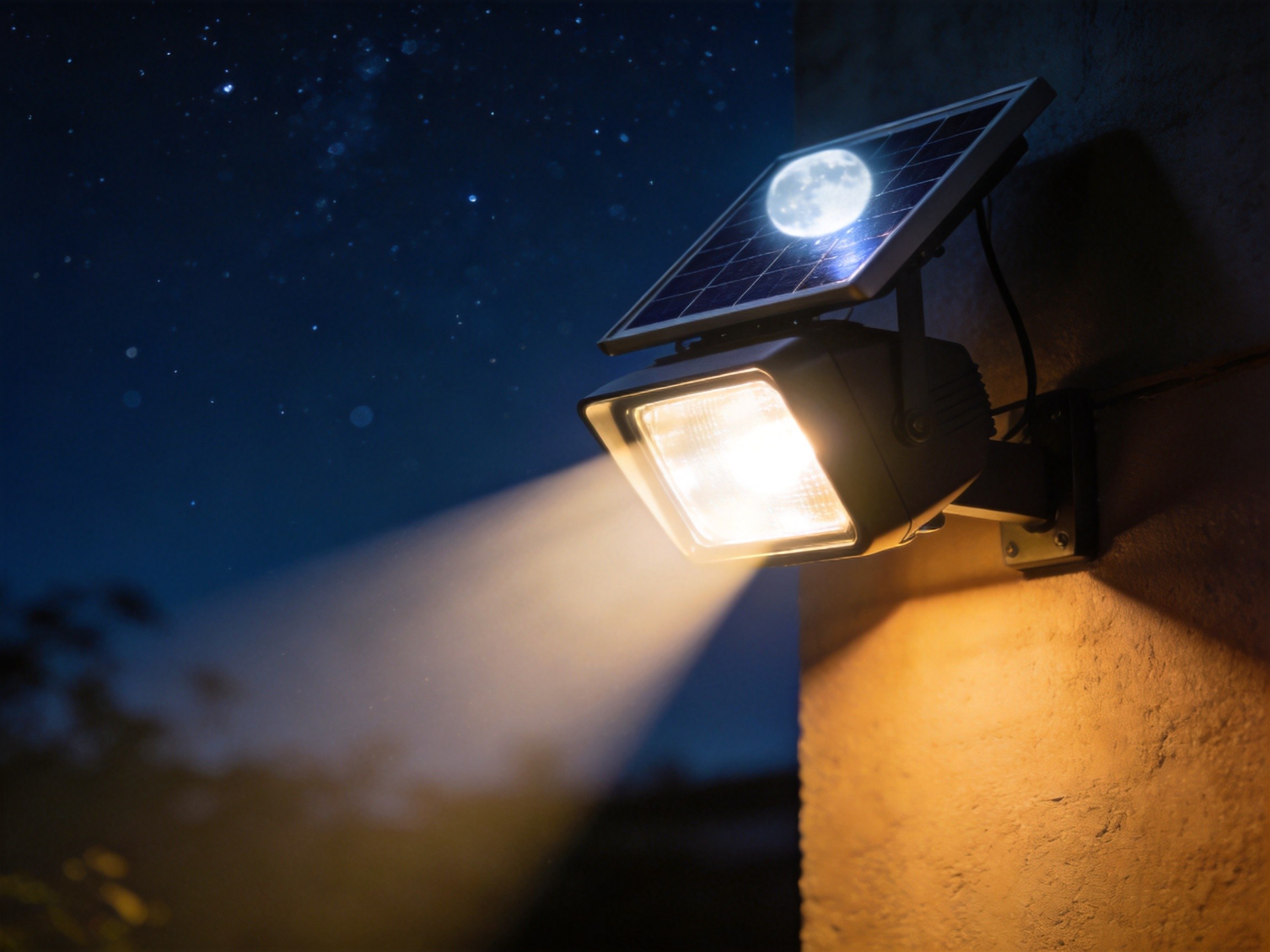
Solar lights work by converting sunlight into electrical energy through photovoltaic panels, storing that energy in rechargeable batteries, and automatically illuminating via light sensors when ambient light drops. The entire process is managed by an intelligent charge controller that regulates voltage and current to protect the battery and optimize performance. This off-grid mechanism ensures reliable, zero-emission lighting for residential, commercial, and municipal applications without relying on the traditional electrical grid.
What is the Solar Panel Charging Mechanism?
The core of any solar lighting system begins with the photovoltaic effect. But how exactly do solar panels capture sunlight? When photons from sunlight strike the semiconductor materials, typically silicon, within the solar cells, they knock electrons loose from their atoms. This creates a flow of electrons, generating direct current electricity. The generated direct current then travels through wires to the charge controller. High-efficiency monocrystalline panels are often preferred in commercial projects because they offer superior conversion rates compared to polycrystalline alternatives. This efficiency is crucial because it maximizes energy harvest even on cloudy days or during winter months when sunlight is limited. Proper installation requires calculating the optimal tilt angle based on the geographic latitude, which is why site surveys are a critical first step in any commercial deployment. This ensures the panels capture the maximum amount of solar irradiance throughout the year.
To ensure this harvested energy is utilized effectively, modern systems employ advanced tracking technology. For instance, understanding How MPPT Charge Controllers Work in Solar Storage Systems reveals that Maximum Power Point Tracking dynamically adjusts the electrical operating point of the modules. This guarantees that the panels always operate at their peak efficiency, extracting the maximum possible power regardless of fluctuating weather conditions. By integrating these smart controllers, facilities can significantly reduce their reliance on grid power while maintaining consistent illumination throughout the night.
How Does LiFePO4 Solar Battery Storage Work?
Once the solar panels generate electricity, the energy must be stored for nighttime use. This is where lithium iron phosphate technology shines. But why is LiFePO4 solar battery storage the industry standard for modern outdoor lighting and energy systems? The chemical structure of lithium iron phosphate provides exceptional thermal and chemical stability, making it inherently safer and longer-lasting than traditional lithium-ion or lead-acid alternatives. This stability directly translates to a long operational lifespan, with CMJ Solar's Grade A cells rated for 2000 to 4000 charge cycles.
At our Jiangmen factory, CMJ Solar manufactures premium storage solutions designed for rigorous outdoor environments. We back our LiFePO4 products with a comprehensive 5-year warranty, ensuring long-term reliability for our B2B partners. For large-scale projects requiring substantial capacity, the Apollo A Series 10kWh All-in-One ESS SCAP-A-51.2-200 provides a robust 51.2V voltage and 200Ah capacity, delivering 10240Wh of stored energy. Alternatively, for more compact installations, the Apollo B Series 5kWh All-in-One ESS SCAP-B-51.2-100 offers 5120Wh capacity in a streamlined form factor. Both models utilize a 6KW power output and support a PV input voltage range of 80V to 500V, ensuring versatile integration with various solar array configurations.
Understanding Battery Capacity and Discharge Rates
When evaluating storage options, understanding the discharge current is crucial for matching the battery to the load requirements. For example, the Apollo A Series 10kWh model supports a continuous discharge current of 200A, which is how it can seamlessly power high-draw commercial lighting arrays without voltage drops. Furthermore, the 51.2V nominal voltage ensures compatibility with standard 48V to 60V solar inverters and charge controllers. This precise matching of voltage and current parameters is why engineers prefer integrated all-in-one systems, as the manufacturer has already optimized the internal wiring and thermal management for maximum safety and efficiency.
Why Are Dusk to Dawn Solar Light Sensors Critical?
Automation is what makes solar lighting truly maintenance-free. But how do dusk to dawn solar light sensors determine when to turn the lights on and off? These systems rely on photocells or light-dependent resistors that measure ambient light levels. When the sun sets and the environment darkens, the electrical resistance within the sensor changes, triggering the controller to draw power from the battery and illuminate the LEDs. Conversely, at dawn, the sensor detects increasing light levels and signals the system to shut off and resume charging.
This automated process eliminates the need for manual operation and prevents the battery from draining during daylight hours. Advanced systems also incorporate motion sensors or microwave radar to further optimize energy consumption. By dimming the lights when no activity is detected and brightening them upon movement, these smart sensors can extend the nightly runtime by several hours. For project managers evaluating different configurations, reviewing the How to Choose Solar Street Light for Projects guide provides valuable insights into selecting the right sensor types for specific municipal or commercial applications. By eliminating the need for underground trenching and reducing grid dependency, these automated systems significantly lower the carbon footprint of urban infrastructure. This environmental benefit is how municipalities can meet stringent sustainability goals while simultaneously reducing long-term operational maintenance costs.
How Do Smart Controllers Manage the Power Flow?
The brain of the entire solar lighting and storage system is the charge controller. Who ensures that the batteries are not overcharged or deeply discharged? The smart controller manages the flow of electricity between the solar panels, the battery bank, and the LED load. It regulates the voltage and current coming from the solar panels to prevent battery damage, while also protecting the battery from over-discharge by cutting off the load when the voltage drops below a safe threshold.
In integrated all-in-one systems, the controller is seamlessly built into the main unit, simplifying installation and reducing wiring complexities. For high-demand commercial applications, the Apollo A Series 12KW 10kWh All-in-One ESS SCAP-A-51.2-200P features dual MPPT tracking with a max PV input power of 27A/2*7500W and a max MPPT charge current of 160A. This high-capacity management ensures that even massive solar arrays are efficiently regulated. The controller also handles the inverter output, providing a stable 230V output for standard AC loads. Modern controllers also feature RS485 or CAN communication ports, allowing facility managers to monitor system health remotely via a centralized dashboard. This remote monitoring capability is why large-scale solar deployments can quickly identify and resolve faults without requiring physical site visits. By centralizing these functions, CMJ Solar delivers OEM/ODM solutions that streamline project deployment while maximizing energy efficiency and system longevity.
Which Applications Benefit Most from Integrated Solar Systems?
Understanding the mechanics of solar lighting reveals why these systems are highly versatile across different sectors. But who benefits the most from deploying these integrated solutions? Residential users appreciate the aesthetic and cost-saving benefits of garden lighting, while commercial facilities rely on high-lumen flood lights for security and visibility. Municipalities utilize robust street lighting to improve road safety without incurring massive trenching and grid-connection costs. CMJ Solar outdoor lighting systems are designed to meet these diverse needs with scalable, high-performance hardware.
First, residential and landscape projects often utilize Solar Garden Lights, which combine compact panels with integrated LiFePO4 cells for effortless installation. Second, large commercial perimeters and construction sites require intense illumination, making Solar Flood Lights the ideal choice for deterring intruders and ensuring worker safety. Third, city planners and infrastructure developers depend on All-in-One Solar Street Lights to modernize roadways with zero-trenching technology. To support these diverse lighting applications, a reliable LiFePO4 Battery Packs infrastructure is essential, ensuring that the stored solar energy is safely and efficiently dispatched. The modular nature of these systems allows for easy scalability, meaning facilities can start with a basic installation and expand the battery capacity as energy needs grow. This flexibility is how businesses can manage their capital expenditures more effectively while future-proofing their infrastructure.
Frequently Asked Questions
How long do LiFePO4 batteries last in solar lights? LiFePO4 batteries commonly provide 8 to 10 years of service in solar lighting applications because their stable chemical structure supports 2000 to 4000 deep charge cycles without significant capacity degradation. This extended lifespan makes them a highly cost-effective choice for long-term outdoor installations compared to traditional lead-acid alternatives.
Can solar lights work during continuous rainy weather? Solar lights can continue to operate during continuous rainy weather because they store excess energy in high-capacity batteries during sunny periods. However, if the rainy period extends beyond the battery's autonomy capacity, the system may automatically dim the output to conserve power until the solar panels can recharge the bank.
What is the difference between all-in-one and split solar street lights? The primary difference lies in the physical design and installation process, where all-in-one units integrate the panel, battery, and fixture into a single compact head for easy mounting, whereas split systems separate these components to allow for flexible panel positioning. All-in-one models are generally preferred for straightforward retrofits, while split systems are better suited for locations with heavy shading that requires precise panel angle adjustments.
Ready to upgrade your next project with reliable, high-efficiency solar lighting and energy storage solutions? Contact our team at CMJ Solar to request a quote and discover how our Jiangmen factory can support your OEM/ODM requirements.
Part of the guide
Solar Lighting Fundamentals: IP Ratings, Weatherproofing and Runtime
Need Product Recommendations?
Our team can help you select the right energy storage or solar lighting products for your project.