
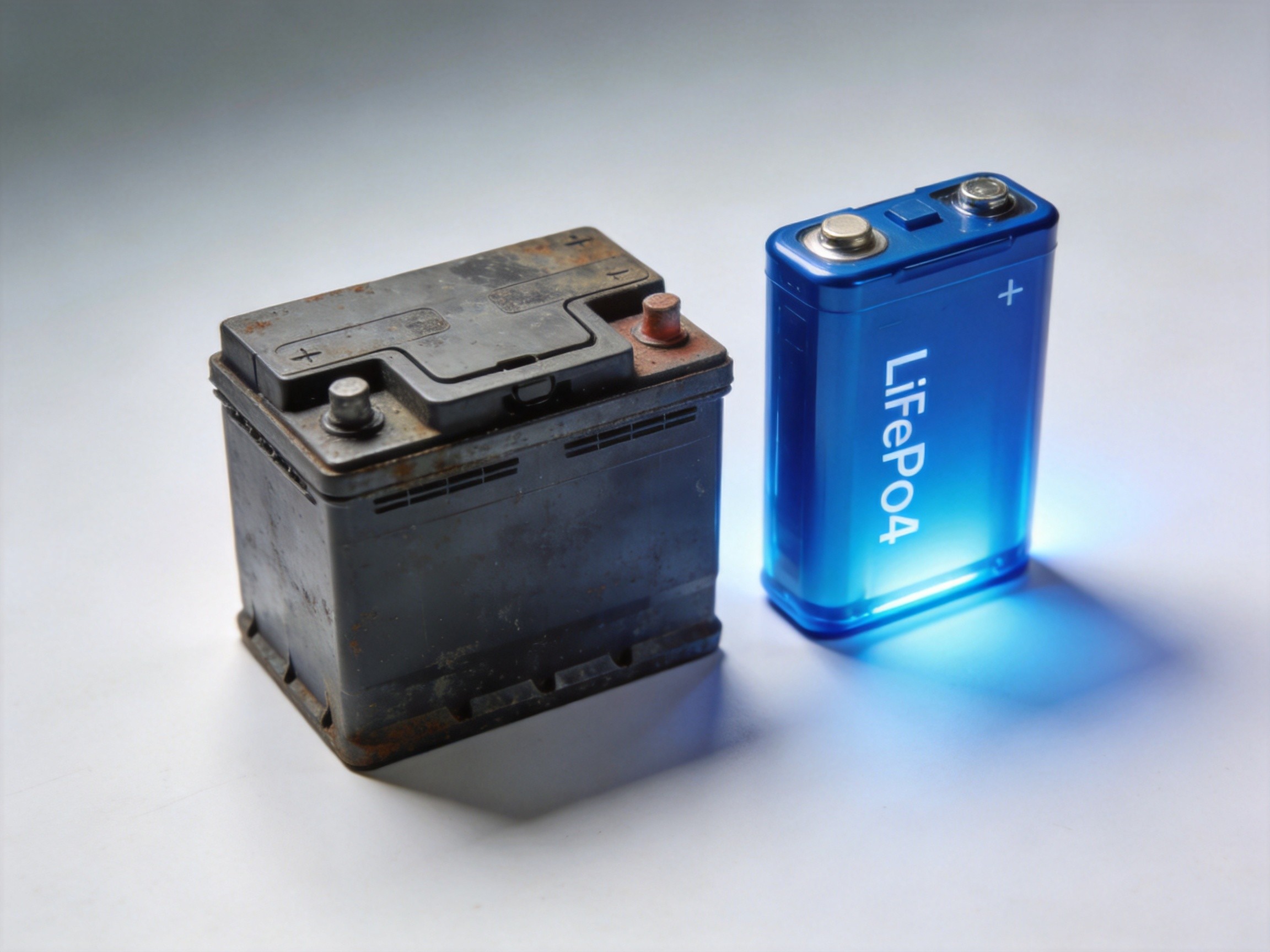
In February 2026, a Bavarian residential installer commissioned a 10kWh LiFePO4 all-in-one energy storage system in a detached four-person household south of Munich, paired with an existing rooftop PV array. Within six months, the household's solar self-consumption ratio rose from roughly 35 percent to about 78 percent, grid imports fell by more than half, and the system carried essential circuits through two winter-storm grid interruptions. This case study walks through the load analysis, the product decision across three CMJ Solar 10 kWh options, the installation process and the measured results, for installers and distributors sizing similar projects in Germany and neighbouring markets.
Household Background: A Detached Home South of Munich
The property is a two-storey detached house built in the 1990s and renovated in stages, with a family of four, a heat pump installed during a 2022 heating upgrade, an electric vehicle charged mainly overnight, and the usual kitchen, laundry and home-office loads. A roughly 9.8 kWp photovoltaic array had been mounted on the south-facing roof in 2019 with an older string inverter and no storage. Under the German tariff structure, the household exported most of its midday generation at a feed-in tariff far below the retail electricity price of around 30 euro cents per kilowatt-hour it paid to import the same energy back in the evening. The homeowner's goals were explicit: shift daytime solar into the evening and morning peaks, keep critical loads alive during the increasingly common storm-related outages, and avoid overpaying for capacity the household did not need.
Why a 10kWh Battery Was the Right Size
The installer ran a simple sizing exercise rather than selling the largest unit available. Daily household consumption ran at about 16 to 18 kWh across the year, with roughly 6 to 7 kWh of that shifted into battery-friendly evening and morning windows after EV charging was managed separately. A 10 kWh usable-store captured the bulk of the exportable midday surplus on most days, while a 15 kWh unit would have cycled shallowly and weakened the financial model for a household with a single south roof. The sizing logic, including how heat pumps and EV chargers change the calculation, matches the worksheet in our 10kWh home battery sizing guide, and the broader backup-power reasoning is covered in our 51.2V all-in-one ESS backup guide.
System Design and Product Selection
Because the original 2019 inverter had no storage port and was approaching its seventh winter, the installer recommended replacing it with a storage-ready all-in-one unit rather than retrofitting a separate hybrid controller. Three CMJ Solar configurations were evaluated. The selected unit was the Apollo A Series 10kWh All-in-One ESS, model SCAP-A-51.2-200, which combines a 10,240Wh (200Ah) 51.2V LiFePO4 battery with a 6KW inverter delivering 230V output, up to 9000W of PV input across an 80 to 500V tracking range, 120A of MPPT charge current and a 200A discharge rating. The wide PV input window let the existing array connect without restringing, and the single-cabinet form factor simplified mounting in the utility room.
The two alternatives are worth noting because they fit other installation scenarios. The Athena Wall-Mounted Battery 10kWh (51.2V/220Ah) is a 43.5 by 28 by 63 centimetre wall unit with a 100A or 200A BMS rating, ideal where a compatible hybrid inverter already exists and only the battery is being added, or where floor space is unavailable. The compact Ares 10kWh All-in-One ESS with 6KW Inverter was the fallback for tighter plant rooms, with 5500W of maximum PV input, a 120 to 500V tracking range and an 84 by 48 by 30 centimetre cabinet. In this household, the Apollo's higher PV ceiling won because the family plans to add a carport array in 2027. The full specification ladder sits in the Apollo all-in-one ESS category.
Installation and Commissioning
The old inverter was removed and the Apollo cabinet fixed to a utility-room wall bracket with clearance for ventilation, in a dry location meeting the unit's indoor operating requirements. The existing PV strings were re-landed into the integrated MPPT inputs, the household distribution board was reorganized so lighting, the heat-pump control circuit, internet and selected sockets sat on the backup-supported circuits, and an electrician completed the grid-side connection under the installer's standard German notification process. Commissioning, including firmware setup and the charge/discharge schedule, took about a day and a half across two visits, with no changes required to the roof array. The household was trained on the app monitoring and the backup behavior before handover.
Results: Self-Consumption, Bills and Two Winter Outages
Measured over the first six months, the battery re-shaped the household's energy flows as modelled. Self-consumption of rooftop generation rose from around 35 percent pre-storage to approximately 78 percent with the battery cycling on a daytime-charge, evening-discharge schedule, and roughly 4,500 to 4,700 kWh of energy now routes through the battery on an annualized basis instead of being exported cheaply and re-imported expensively. At a retail price around 30 cents per kilowatt-hour, the avoided imports translate into savings comfortably above 1,000 euros per year, which together with avoided surges supports a payback in the eight-to-nine-year range under conservative assumptions, before any future tariff increases.
The backup function earned its keep during two storm-driven interruptions in the winter and early-spring window. On both occasions the household retained lighting, internet, kitchen refrigeration and heat-pump controls on the protected circuits, with the 6KW output and 200A discharge rating handling the startup loads without dropping. The family reported that the switch to backup and back to grid passed without anything more serious than a clock needing reset. Monitoring data also showed the LiFePO4 chemistry holding stable capacity through the cold period, an expected result but one that matters when comparing against older lead-acid retrofits.
Monitoring, Maintenance and the Next Expansion Step
The household runs the system through the manufacturer's monitoring app, which displays charge level, daily solar yield, evening discharge and estimated autonomy, while the installer retains dealer-level visibility for remote diagnostics. Over the first six months that remote access proved genuinely useful rather than decorative: one alert about partial string underperformance after heavy snow led to a site visit that found shaded modules rather than a battery fault, and the battery telemetry confirmed the pack was charging normally. The maintenance plan itself is minimal, which is part of the value proposition for indoor LiFePO4 storage: no watering, no acid checks, and no equalization routines, with the installer's annual visit focused on torque, firmware and the distribution board rather than battery chemistry.
The planned next step is already on the drawing board and explains why inverter headroom mattered at selection. The family intends to add a carport array of roughly 5 kWp in 2027, bringing total generation close to 15 kWp, and to shift electric-vehicle charging into solar hours through a managed wallbox. The Apollo A unit's 80 to 500V PV window and 9000W maximum PV input allow that second string to land on the same inverter, and if household load grows, the specification ladder supports moving to a 15 kWh or 20 kWh pack without changing the cabinet family. Installers who present customers with this kind of documented growth path tend to win the referral jobs that follow in a village, because the system reads as future-proof rather than as a one-off purchase. The modular logic is the same one described in our guide to scaling modular stackable ESS.
What Installers and Distributors Can Take Away
Three lessons generalize beyond this single household. Sizing to the actual shifted-load window, rather than to nameplate envy, produced the healthy payback: 10 kWh is the sweet spot for a four-person home with a single south roof and roughly 10 kWp, while 15 kWh-plus belongs to households with larger arrays, heavier EV loads or three-phase backup needs. Choosing an all-in-one platform with a wide PV input range made the retrofit painless and left headroom for a second array. And offering the battery as part of a documented package, with model-specific CE and transport paperwork, matters increasingly for European channel partners preparing for 2027 compliance, as detailed in our guide to selling residential ESS in Europe. CMJ Solar supplies installers and distributors with factory-direct pricing, OEM branding and a five-year battery warranty across the LiFePO4 range. To request sizing sheets for the Bavarian-style retrofit scenario, browse the energy storage catalog or contact our engineering team directly.
Frequently Asked Questions
Is 10kWh enough for a German family home? For a four-person household consuming 16 to 18 kWh per day with a roughly 10 kWp south-facing array, a 10 kWh LiFePO4 battery typically captures most of the shiftable midday surplus and can lift self-consumption from around one third to more than three quarters, as this Bavarian installation demonstrated at approximately 78 percent.
Can a 10kWh ESS run a heat pump during a power cut? A 6KW all-in-one unit such as the Apollo A SCAP-A-51.2-200 can keep heat-pump controls, lighting and essential circuits running, though whole-house backup of the heat pump's continuous heating output should be sized separately. Installers should place critical circuits on the backup distribution group and manage non-essential loads.
What is the difference between the Apollo A, Ares and Athena 10kWh units? The Apollo A 10kWh is the full-power all-in-one with up to 9000W PV input; the Ares 10kWh is a compact 6KW all-in-one cabinet with 5500W PV input; the Athena 10kWh is a wall-mounted battery for installations that already have a compatible hybrid inverter. Choosing between them depends on roof size, available space and whether the inverter is being replaced.
Need Product Recommendations?
Our team can help you select the right energy storage or solar lighting products for your project.