
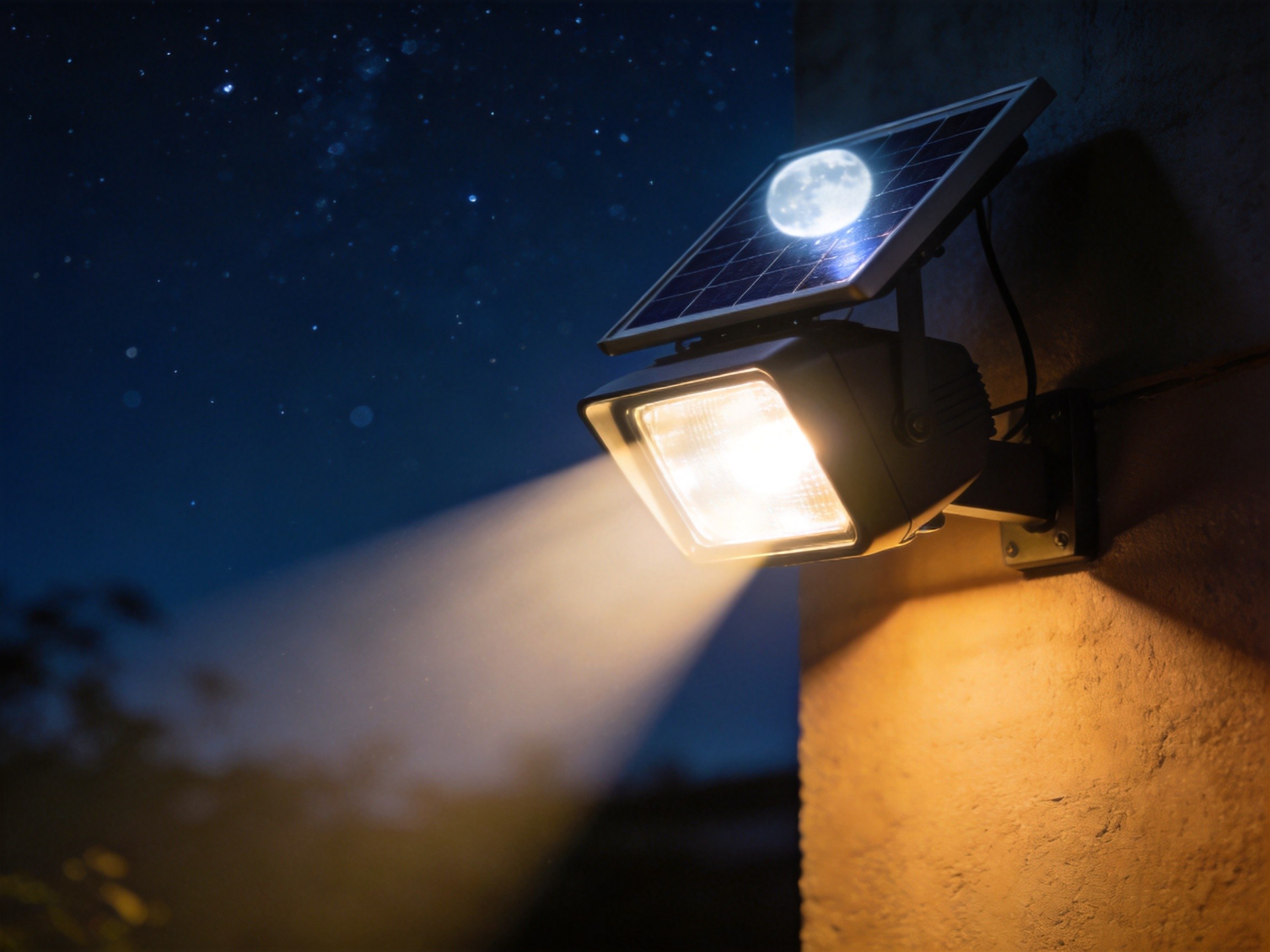
Solar lights stop working primarily due to obstructed solar panels, degraded rechargeable batteries, or faulty dusk-to-dawn sensors, which prevent the system from storing or converting energy effectively. When your outdoor fixtures fail to illuminate, it is usually because dirt, debris, or shadows are blocking the photovoltaic cells from absorbing sufficient sunlight during the day. Understanding these core issues allows property managers and homeowners to quickly diagnose and resolve the problem, ensuring reliable nighttime illumination.
What Causes Solar Lights Not Working at Night?
When you notice your solar lights not working at night, the first culprit is often environmental shading or physical obstruction. Over time, nearby foliage can grow and cast shadows over the photovoltaic panels, drastically reducing the energy harvested during peak daylight hours. This happens because solar panels require direct, unfiltered sunlight to generate the necessary voltage to charge the internal cells. Another major factor is the accumulation of dust, pollen, and bird droppings on the panel surface, which creates a physical barrier that blocks light absorption. Furthermore, the internal rechargeable batteries naturally degrade over hundreds of charge cycles, losing their capacity to hold a full night's worth of energy. Additionally, the photocell sensors that trigger the lights at dusk can become obscured by dirt or spider webs, causing the fixture to remain off even when the battery is fully charged. In colder climates, freezing temperatures can temporarily reduce the chemical efficiency of standard batteries, leading to dim or nonexistent light output until the unit warms up. If you are managing a large commercial property, relying on substandard batteries can lead to widespread outages, which is why sourcing from a trusted manufacturer like CMJ Solar, operating a state-of-the-art Jiangmen factory, ensures you receive components backed by a robust 5-year warranty and rigorous quality control.
How to Fix Solar Lights Not Charging?
Resolving charging issues requires a systematic approach to identify and eliminate the root cause of the power deficit. First, you should thoroughly clean the solar panel surface using a soft, damp cloth and a mild, non-abrasive glass cleaner to remove any grime or debris that might be blocking sunlight. Second, inspect the physical placement of the fixture to ensure it faces true south in the Northern Hemisphere and is completely free from shadows cast by trees, buildings, or other structures during the peak sun hours between 10 AM and 3 PM. Third, test the internal battery by checking for corrosion on the terminals and measuring the voltage with a multimeter, replacing it if it falls below the manufacturer's recommended operating threshold. Fourth, verify the operation of the photocell sensor by covering the panel completely with your hand or an opaque cloth; if the LED does not turn on immediately, the sensor may be faulty or the internal wiring could be disconnected. By following these steps, you can restore functionality to standard fixtures, but for larger areas, you might need to explore our comprehensive solar lighting category for more robust alternatives.
Solar Garden Light Troubleshooting and Maintenance Tips
Effective solar garden light troubleshooting goes beyond simple cleaning and requires regular seasonal maintenance to guarantee long-term performance. Property managers often deploy aesthetic fixtures like the Star Diamond Solar Garden Light or the Nebula Solar Garden Light to illuminate walkways, but these decorative units still require their panels to be kept pristine to maintain their luminous output. When maintaining the Solar Ark Garden Light, it is crucial to check the waterproof seals around the battery compartment, as moisture ingress is a leading cause of internal circuit failure during heavy rain or snow. For high-security perimeters, users frequently install the Alien Solar Flood Light, which demands maximum solar intake; therefore, ensuring its adjustable panel is tilted at the optimal angle for your specific latitude is essential for capturing maximum irradiance. Furthermore, the Star Diamond Solar Garden Light and Nebula Solar Garden Light feature intricate optical lenses that must be kept clear of mud and organic debris to maintain their designed beam spread and aesthetic appeal. Regular maintenance not only extends the operational lifespan of the LEDs but also protects your initial investment, which is why CMJ Solar designs its products with OEM/ODM flexibility and premium LiFePO4 battery options to withstand harsh outdoor environments while delivering consistent, reliable illumination year after year.
Integrating Solar Lighting with Advanced Energy Storage Systems
While standalone solar lights are excellent for pathways, large-scale commercial and residential projects often integrate exterior lighting with comprehensive backup power systems to ensure uninterrupted operation during extended periods of inclement weather. For instance, facility managers can pair outdoor lighting arrays with the Apollo A Series 5kWh All-in-One ESS (SCAP-A-51.2-100), which features a 51.2V battery input voltage, a 5120Wh capacity, and a maximum MPPT charge current of 120A to efficiently store excess daytime solar energy. If the property requires higher energy density for larger lighting grids, upgrading to the Apollo A Series 10kWh All-in-One ESS (SCAP-A-51.2-200) provides a 10240Wh capacity and a 200A discharge current, ensuring that critical perimeter lights remain fully operational even during multi-day grid outages. For heavy industrial applications, the Apollo A Series 12KW 20kWh All-in-One ESS (SCAP-A-51.2-400P) delivers a massive 20480Wh capacity and a 12KW power output, utilizing an 80V-500V PV input voltage range to maximize energy harvest from extensive rooftop arrays. Integrating these LiFePO4 systems guarantees that your solar lighting infrastructure is supported by a resilient, high-capacity energy backbone, eliminating the common issue of lights failing due to insufficient stored power.
Maximizing Energy Harvest for Outdoor Lighting
To get the most out of your integrated lighting and storage setup, it is vital to ensure that the MPPT charge controllers are properly configured to handle the specific voltage and current profiles of your solar array. This optimization ensures that every watt of sunlight is efficiently converted and stored, providing ample power for your nighttime illumination needs.
When to Replace versus Repair Your Solar Fixtures
Determining whether to repair or replace a failing solar fixture depends on the age of the unit, the cost of replacement parts, and the severity of the internal damage. If the photovoltaic panel is physically cracked, delaminated, or the internal wiring has suffered severe water damage, repairing the unit is often more expensive and less reliable than simply replacing it with a modern, highly efficient alternative. Conversely, if the issue is merely a depleted rechargeable battery, a corroded terminal, or a dirty sensor, a simple component swap or thorough cleaning will restore full functionality at a fraction of the cost of a new fixture. To make an informed decision, it is helpful to review our detailed guide on Solar Flood Light Buying Guide: Wattage, Lumens, Battery to understand the technical specifications you should look for in a replacement unit. Additionally, if you are considering upgrading your entire property's power infrastructure to support advanced outdoor lighting, reading about How to Choose a Home Energy Storage System will provide valuable insights into sizing your backup power correctly. Ultimately, investing in high-quality, durable fixtures from the start prevents the recurring frustration of frequent breakdowns and ensures your property remains safely illuminated.
Frequently Asked Questions
Why do my solar lights work for only a few hours at night? This issue is almost always caused by either a degraded internal battery that can no longer hold a full charge or a solar panel that is partially shaded or dirty, preventing it from reaching maximum capacity during the day. Replacing the rechargeable battery with a high-quality LiFePO4 alternative and ensuring the panel receives at least six hours of direct sunlight will typically resolve this problem and extend the nightly runtime.
Can I use standard rechargeable batteries in my solar lights? While you can physically insert standard NiMH or NiCd rechargeable batteries into many solar light compartments, doing so is not recommended because these chemistries degrade much faster and perform poorly in extreme temperature fluctuations compared to advanced lithium alternatives. Using batteries specifically rated for solar applications ensures optimal charge acceptance and a significantly longer operational lifespan, protecting your fixtures from premature failure.
How do I know if the solar panel itself is broken? You can test the health of the solar panel by using a multimeter to measure the open-circuit voltage while the panel is exposed to direct sunlight; if the reading is significantly lower than the manufacturer's specified voltage or reads zero, the internal photovoltaic cells are likely damaged and the panel must be replaced. Regular visual inspections for micro-cracks or delamination can also help you identify panel degradation before it completely stops charging the system.
Contact CMJ Solar for Reliable Lighting and Energy Solutions
If you are tired of constantly troubleshooting failing fixtures and want to upgrade to durable, high-performance outdoor illumination, CMJ Solar offers a comprehensive range of commercial and residential solutions designed for maximum reliability. Our engineering team utilizes premium LiFePO4 battery technology and robust weatherproof housings to ensure our products withstand the elements while delivering consistent, brilliant light year after year. Whether you need decorative pathway lighting or heavy-duty floodlights backed by an advanced energy storage system, we have the perfect solution for your project requirements. To discuss your specific lighting needs, request a customized quote, or learn more about our manufacturing capabilities, please contact our team today and let us help you keep your property brilliantly illuminated.
Part of the guide
Solar Lighting Fundamentals: IP Ratings, Weatherproofing and Runtime
Need Product Recommendations?
Our team can help you select the right energy storage or solar lighting products for your project.