
In solar lighting, watts measure the electrical power consumed by the system, while lumens measure the actual visible light output produced. Therefore, a higher wattage rating does not automatically mean a brighter light, because wattage often reflects the size of the solar panel or battery capacity rather than the efficiency of the LED chips. Understanding lumens vs watts solar is essential for choosing the right outdoor lighting, as true brightness depends on lumen output, optical design, and illumination area rather than just power consumption. This distinction is critical for B2B buyers who need to optimize project specifications without overspending on misleading metrics.
What is the Difference Between Watts and Lumens in Solar Lighting?
To make informed purchasing decisions, it is crucial to understand the fundamental physics behind lighting metrics. Watts measure the rate of energy consumption or electrical power draw within the circuit. In a solar light, this number often represents the power rating of the solar panel or the maximum draw of the entire system. Lumens, on the other hand, measure the total quantity of visible light emitted by the source in all directions. Why does this distinction matter so much for commercial projects? Because focusing solely on wattage can lead to poorly lit areas if the LED chips are inefficient. How does this affect your installation? By prioritizing lumen output, project managers ensure adequate visibility and security for the end-users. Who benefits the most from this knowledge? Procurement officers and engineers who need to guarantee that a specific area receives the exact lux levels required by local safety codes. At the CMJ Solar Jiangmen factory, our engineering teams focus heavily on optimizing the ratio between power draw and lumen output. We utilize high-efficiency LED chips paired with advanced optical lenses to ensure that every watt of energy is converted into maximum visible light, rather than wasted as heat. This commitment to optical efficiency is why our products consistently deliver reliable illumination across diverse commercial and municipal applications.
Why Do Some Manufacturers Use Higher Wattage Numbers for Marketing?
You might wonder why certain brands advertise exceptionally high wattage numbers for their solar fixtures. The primary reason is consumer psychology and marketing simplicity. Historically, buyers associated higher wattage in incandescent bulbs with brighter light, creating a mental shortcut that persists today. How do manufacturers exploit this? By inflating the wattage rating on the product packaging to make the fixture appear more powerful than its actual light output suggests. Why do they do this? Because it is a much easier metric to print on a box than explaining complex lumen distributions or beam angles. However, in solar lighting, a higher wattage often just means the manufacturer included a larger solar panel to charge a bigger battery, which extends the runtime but does not inherently increase the brightness of the LEDs. If the internal LEDs are inefficient, this inflated wattage will simply drain the battery faster without providing additional visibility. This practice creates a confusing market environment where B2B buyers must dig deeper into the technical specifications. To avoid falling for this marketing tactic, you must always cross-reference the advertised wattage with the stated lumen output and the capacity of the internal battery. A truly high-quality solar light will have a balanced specification sheet where the solar panel wattage, battery capacity, and LED lumen output are all proportionally matched to deliver consistent, reliable performance throughout the night.
How to Calculate True Brightness for Your Solar Project?
Calculating true brightness requires looking beyond simple lumen numbers and considering the illumination area and beam angle. Lumens measure total light output, but lux measures the light intensity hitting a specific surface area. How do you calculate this for your site? First, you divide the total lumen output by the illumination area in square meters to estimate the average lux level. Why is this calculation essential? Because a light with high lumens but a very narrow beam angle will create a bright spotlight but leave the surrounding areas in darkness, which is inadequate for general security or pathway lighting. Who needs this data? Landscape architects and facility managers designing comprehensive site plans. For example, the Alien 100W MJ-ALIEN-100W delivers a lumen output of 896LM and covers an illumination area of 80 sqm, making it ideal for medium-sized yards. In contrast, the Alien 800W MJ-ALIEN-800W produces 2960LM and covers a massive 400 sqm area, perfect for large parking lots or construction sites. When selecting fixtures, always match the lumen output to the required lux levels for your specific application, whether it is a residential garden or a commercial warehouse. For a deeper dive into selecting the right specifications, you can read our comprehensive Solar Flood Light Buying Guide: Wattage, Lumens, Battery to ensure your project meets all illumination standards.
How Does Battery Capacity and LiFePO4 Technology Affect Runtime and Brightness?
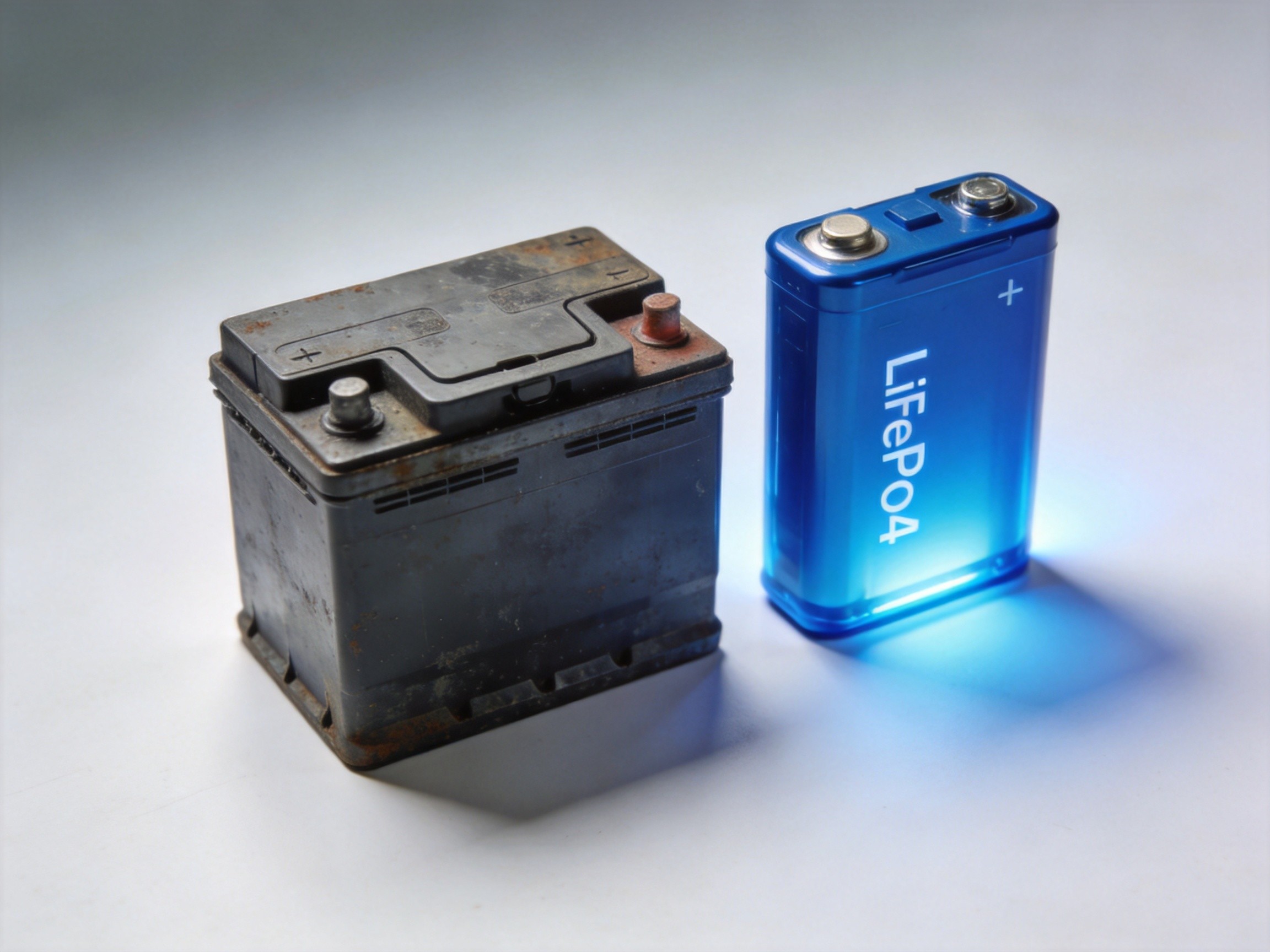
A bright light is entirely useless if the battery dies after just two hours of darkness. This is where battery capacity, measured in ampere-hours, and the underlying cell chemistry become critical. Why does battery chemistry matter for brightness? Because as a battery discharges, its voltage drops, which can cause the LED chips to dim prematurely if the internal driver cannot compensate. How does CMJ Solar solve this problem? We utilize Grade A LiFePO4 cells, which are renowned for their incredibly stable voltage discharge curve and excellent thermal stability in extreme temperatures. Who benefits from this stability? Facility managers and security personnel who require consistent, unwavering illumination from dusk until dawn without experiencing a noticeable drop in brightness. Our LiFePO4 batteries are rated for 2000 cycles, ensuring long-term durability even in demanding daily use environments. Furthermore, a higher ampere-hour rating, such as the 54Ah battery found in our larger models, provides the necessary energy reserve to maintain full lumen output even during extended periods of low sunlight. It is important to note that warranty terms vary by model and project; contact CMJ Solar for specific warranty terms. To understand the exact runtime you can expect based on your local weather conditions, we recommend reviewing our detailed How Long Do Solar Lights Last? Runtime Calculation Guide for precise project planning.
Which CMJ Solar Flood Lights Offer the Best Lumen-to-Watt Performance?
When evaluating our product lineup for your next procurement cycle, it is helpful to compare the lumen-to-watt performance across different series. First, the Breaker 100W MJ-BW100 provides an impressive 1097LM using a 5V/18W monocrystalline panel and a 15Ah LiFePO4 battery, while maintaining an IP65 rating for weather resistance and featuring smart radar sensor functions. Second, for larger industrial applications, the Breaker 1200W MJ-BW1200 outputs a massive 3795LM utilizing a 5V/60W panel and a 54Ah LiFePO4 battery, also featuring a robust IP65 rating to withstand harsh outdoor elements alongside its 2-3 rainy days discharge capability. Measured against actual panel wattage rather than the model name, these two fixtures land at roughly 61 and 63 lumens per watt — near-identical efficiency, with the larger unit earning its higher output through a bigger panel and battery rather than better LED chips. Model numbers in this category follow a series convention and should not be read as the panel's electrical rating, which is why every CMJ Solar spec sheet lists panel wattage, battery capacity and lumen output as separate line items. Third, for projects requiring aesthetic flexibility, our Alien RGB models integrate Bluetooth APP controls and music rhythm functions alongside their high-capacity LiFePO4 batteries, allowing dynamic lighting scenes without sacrificing core performance. Through our extensive OEM/ODM capabilities, CMJ Solar can also customize these specifications to meet unique project requirements, ensuring that every fixture delivers the exact balance of power and brightness you need. You can explore our full range of solar flood lights to find the perfect match for your commercial, municipal, or residential installations.
Frequently Asked Questions
What is the most important metric for choosing a solar light? The most important metric is the lumen output combined with the illumination area, because lumens dictate the actual visible light produced, while the illumination area tells you how widely that light is distributed across your project site.
Does a higher wattage solar panel mean a brighter light at night? No, a higher wattage solar panel simply means the system can harvest more energy during the day to charge a larger battery, which extends runtime but does not inherently increase the lumen output of the LED chips themselves.
How long do LiFePO4 batteries last in solar lighting applications? CMJ Solar utilizes Grade A LiFePO4 cells rated for 2000 cycles, ensuring long-term reliability, though warranty terms vary by model and project; contact CMJ Solar for specific warranty terms.
Understanding the true difference between watts and lumens is the first step toward procuring efficient, reliable solar lighting for any project. By focusing on verified lumen outputs, proper illumination areas, and high-quality LiFePO4 battery technology, you can ensure your installations deliver optimal performance year after year. If you are ready to specify the right solar lighting solutions for your upcoming projects, please contact our team to request a quote and discuss your specific requirements.
Part of the guide
Solar Lighting Fundamentals: IP Ratings, Weatherproofing and Runtime
Need Product Recommendations?
Our team can help you select the right energy storage or solar lighting products for your project.