
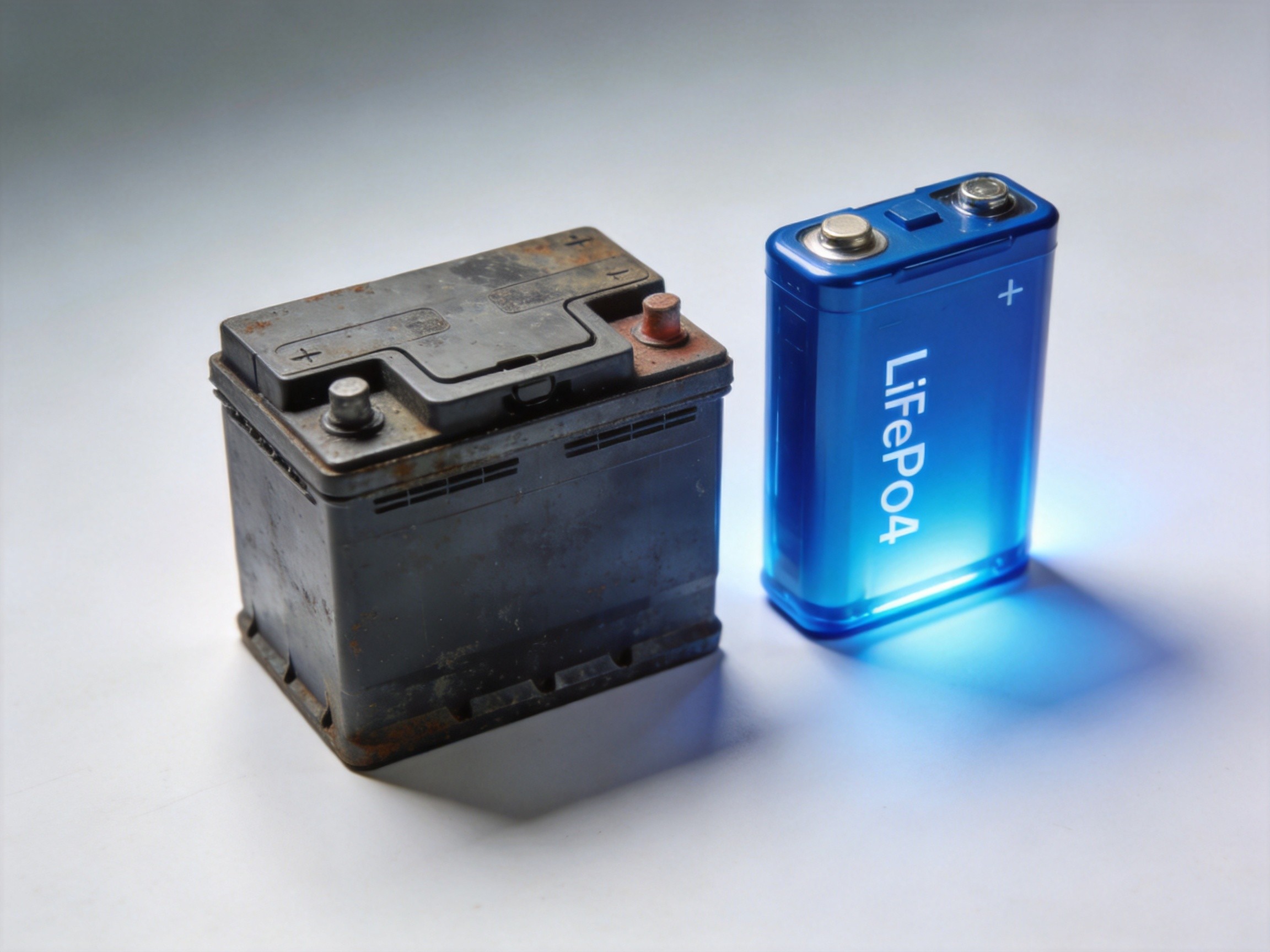
Yes, LiFePO4 home battery storage is highly worth the investment, typically achieving a full financial payback within five to seven years through energy arbitrage, backup power reliability, and a lifespan exceeding 6000 cycles. This rapid return on investment outpaces traditional lead-acid alternatives because lithium iron phosphate chemistry maintains a high depth of discharge without degrading, ensuring long-term solar energy storage ROI for residential users. By displacing expensive peak grid power and maximizing self-consumption of renewable energy, homeowners can effectively turn their energy consumption into a manageable, predictable expense.
Understanding the True Cost of Home Battery Storage Payback
When evaluating the financial viability of a residential energy system, homeowners and distributors must look beyond the initial purchase price to calculate the true home battery storage payback period. The initial capital expenditure for a lithium system is higher than older technologies, but the lifecycle cost tells a completely different story. A high-quality lithium iron phosphate system can operate efficiently for over 15 years, drastically reducing the levelized cost of stored energy. This is because the battery can be discharged deeply every single day without suffering the rapid capacity loss seen in legacy chemistries. How does this translate to actual savings? By shifting grid consumption to off-peak hours and maximizing self-consumption of solar power, users significantly lower their monthly utility bills. Additionally, many regions offer tax credits, rebates, or net metering enhancements that further shorten the initial payback timeline. How do these incentives alter the financial equation? They effectively subsidize a portion of the upfront hardware cost, making the transition to lithium storage even more economically attractive for early adopters. Who benefits the most from this financial structure? Residential users in regions with high time-of-use electricity rates and frequent grid outages see the fastest payback, as the system displaces expensive peak grid power and prevents costly food spoilage or business interruptions during blackouts. Furthermore, integrating a robust system increases overall property value, making it a dual-purpose investment for both immediate cash flow and long-term asset appreciation. Understanding these dynamics is crucial for making an informed purchasing decision, which is why CMJ Solar recommends reviewing our comprehensive guide on how to choose a home energy storage system before committing to a specific configuration.
How Does LiFePO4 Battery Payback Compare to Lead-Acid?
How does the lifepo4 battery payback timeline compare to traditional lead-acid options? The payback period for lithium iron phosphate is significantly shorter due to its superior cycle life and round-trip efficiency. While a lead-acid battery might cost less upfront, it typically lasts only 500 to 1000 cycles at a 50% depth of discharge. In contrast, a premium LiFePO4 cell easily delivers 6000 cycles or more at an 80% to 100% depth of discharge. This means a single lithium battery can outlast multiple lead-acid replacements over the same timeframe. Why is this cycle difference so critical for financial modeling? Because every time you replace a battery bank, you incur not just the hardware cost, but also the labor and disposal fees, which completely destroys the initial savings of buying a cheaper technology. How do you ensure you are getting the best chemistry for your project? It is essential to verify the cell specifications and avoid counterfeit products by sourcing from reputable manufacturers. If you are currently managing an older setup, you might find our detailed breakdown on LiFePO4 vs lead-acid battery performance highly useful for understanding the exact efficiency gaps. Ultimately, the higher usable capacity and longer operational lifespan of lithium chemistry ensure that your solar energy storage ROI remains positive for well over a decade, making it the undisputed choice for modern residential and commercial applications.
What Are the Key Parameters for Residential ESS Sizing?
What are the critical parameters to consider when calculating residential ESS sizing for optimal payback? Proper sizing ensures you do not overpay for unused capacity or underpay for insufficient backup. The core metrics include battery capacity, inverter power output, and maximum photovoltaic input power. For instance, the Apollo A Series 5kWh All-in-One ESS (SCAP-A-51.2-100) provides a solid starting point with a 6KW power output, 51.2V battery input voltage, and a 5120Wh capacity, supporting a max PV input power of 9000W. For larger households requiring extended autonomy, the Apollo A Series 10kWh All-in-One ESS (SCAP-A-51.2-200) doubles the capacity to 10240Wh while maintaining the 6KW output and 230V inverter output voltage. If your home features heavy loads like EV chargers or HVAC systems, you need higher continuous power. In that case, the Apollo A Series 12KW 10kWh All-in-One ESS (SCAP-A-51.2-200P) steps up the power to 12KW and supports dual MPPT inputs with a max PV input power of 2*7500W. Why does matching the inverter power to your peak load matter? Because an undersized inverter will clip your power output during high-demand events, forcing you to draw from the grid and reducing your overall savings. Who should use the 12KW models? Homeowners with large properties, workshops, or those looking to integrate multiple high-draw appliances seamlessly into their microgrid.
Maximizing Solar Energy Storage ROI with Smart Integration
To truly maximize your solar energy storage ROI, the battery must integrate flawlessly with your solar panels and the local grid. This requires advanced maximum power point tracking and smart energy management software. When a system features a high max MPPT charge current, such as 120A or 160A, it can harvest energy much faster during peak sunlight hours, ensuring the battery is fully charged before the evening peak tariff begins. How does this rapid charging impact your daily savings? It allows you to capture 100% of your midday solar surplus, which would otherwise be curtailed or sold back to the grid at low wholesale rates. First, you need to ensure your photovoltaic array voltage falls within the acceptable PV input voltage range, typically 80V to 500V for these advanced units. Second, you must configure the energy management system to prioritize self-consumption and battery charging over grid export. Third, regular monitoring via the built-in communication ports allows you to track your daily kilowatt-hour displacement and verify your payback timeline. Furthermore, the internal battery management system actively monitors cell voltage and temperature, ensuring that every individual cell operates within safe parameters. Why is this active monitoring crucial for long-term ROI? Because it prevents thermal runaway and eliminates the risk of premature cell failure, thereby protecting your initial capital investment. For installers and distributors looking to source complete, integrated solutions, exploring the full energy storage category reveals a wide array of modular and all-in-one options designed to fit various architectural and electrical requirements. Proper integration not only accelerates financial payback but also ensures a seamless user experience, reducing the likelihood of manual overrides and system inefficiencies.
Why Choose CMJ Solar for Your Energy Storage Needs?
When selecting a manufacturing partner for residential and commercial projects, the reliability of the supplier directly impacts your long-term profitability and customer satisfaction. CMJ Solar stands out as a premier LiFePO4 energy storage manufacturer, backed by our state-of-the-art Jiangmen factory and a commitment to rigorous quality control. Why does manufacturing location and facility quality matter to distributors and end-users? Because a centralized, modernized production environment ensures consistent cell matching, precise battery management system calibration, and robust structural integrity for every unit produced. We provide a comprehensive 5-year warranty on our residential ESS products, which protects your investment and gives your clients absolute peace of mind regarding their home battery storage payback period. How do we support our B2B partners in growing their market share? Through our flexible OEM/ODM services, CMJ Solar allows distributors to customize branding, packaging, and software interfaces to match their specific regional requirements. Before any unit leaves our facility, it undergoes rigorous aging tests and capacity verification to guarantee that the stated parameters, such as the 200A or 300A discharge currents, are consistently met in real-world conditions. Why is this strict testing protocol essential for B2B partners? Because it drastically reduces field failures and minimizes after-sales support costs, ensuring that your reputation in the local market remains stellar. Who benefits most from this tailored approach? Local installers and regional distributors who need to differentiate their offerings in a highly competitive market while maintaining strict profit margins. By choosing a manufacturer that prioritizes both technological innovation and supply chain stability, you ensure that your projects are delivered on time, within budget, and equipped with the latest lithium iron phosphate advancements.
Frequently Asked Questions
How long does it take for a LiFePO4 home battery to pay for itself? The typical payback period ranges from five to seven years, depending on local electricity rates, solar irradiance, and daily energy consumption patterns. Can I expand my battery capacity as my energy needs grow? Yes, many modern all-in-one systems are designed with modular scalability in mind, allowing you to add parallel battery modules to increase total kilowatt-hour capacity without replacing the core inverter unit. What is the expected lifespan of a LiFePO4 battery compared to lead-acid? A high-quality lithium iron phosphate battery will last between 10 to 15 years, delivering over 6000 cycles, whereas lead-acid batteries typically require replacement every three to five years.
Ready to optimize your residential energy projects and accelerate your solar energy storage ROI? Contact our team today to discuss your specific sizing requirements, request a quote, or explore our full range of premium LiFePO4 solutions. Visit our contact page to speak with our engineering and sales experts.
Part of the guide
Home Energy Storage Systems: The Complete Buyer and Installer Guide
Need Product Recommendations?
Our team can help you select the right energy storage or solar lighting products for your project.